
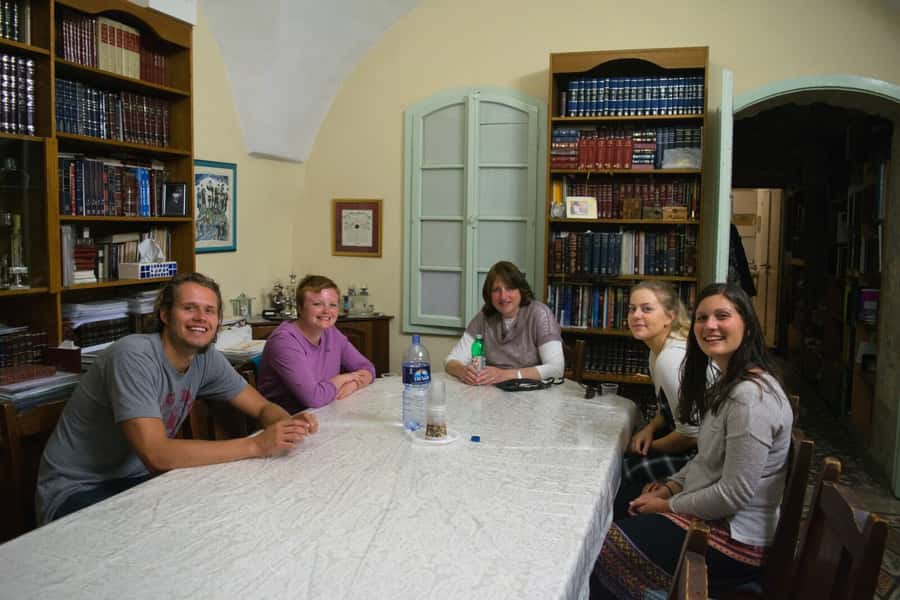
REVIEW · JEWISH HERITAGE TOURS
Jerusalem: Meet the Orthodox Jews Tour
A short walk, a big culture shift.
I love the chance to learn from a former Haredi insider and the way this tour sticks to day-to-day neighborhood stops, not museum-style talking. You get a real look at how ultra-Orthodox Jews organize time, shops, study, and community life in Jerusalem, with context you will not get from just passing by.
Your main consideration is that some places cannot be entered, so you will often see them from the outside.
That is not a failure of planning, it is part of respecting the community’s boundaries, and it changes the whole feel of the experience from tourism to explanation.
A guide leads you through a traditional neighborhood on foot and keeps things interactive. You are encouraged to ask questions, and the tour covers the hard stuff too, from marriage and media to Sabbath rules and modern Israeli society.
In This Review
- Key things I’d prioritize on this tour
- A former insider leads your walk through an ultra-Orthodox neighborhood
- The streets and storefronts: what you see in 150 minutes
- When you cannot go inside, the tour explains why
- What you’ll discuss: marriage, women, media, charity, and more
- How to dress so you feel comfortable, not stuck
- The best way to get value from the Q and A
- Meeting point: where to start so you do not waste time
- Price and value: why $53 for 150 minutes can make sense
- Who this tour suits best (and who should skip it)
- Should you book this Jerusalem Meet the Orthodox Jews Tour?
- FAQ
- How long is the tour?
- How much does the tour cost?
- Where do I meet the guide?
- Is food and drinks included?
- Who guides the walking tour?
- Is the tour available in English?
- Are there dress code rules?
- Can I enter places like synagogues or yeshivas?
- What is the cancellation and payment flexibility?
Key things I’d prioritize on this tour
- Insider context from a former community member, with personal perspective behind the explanations
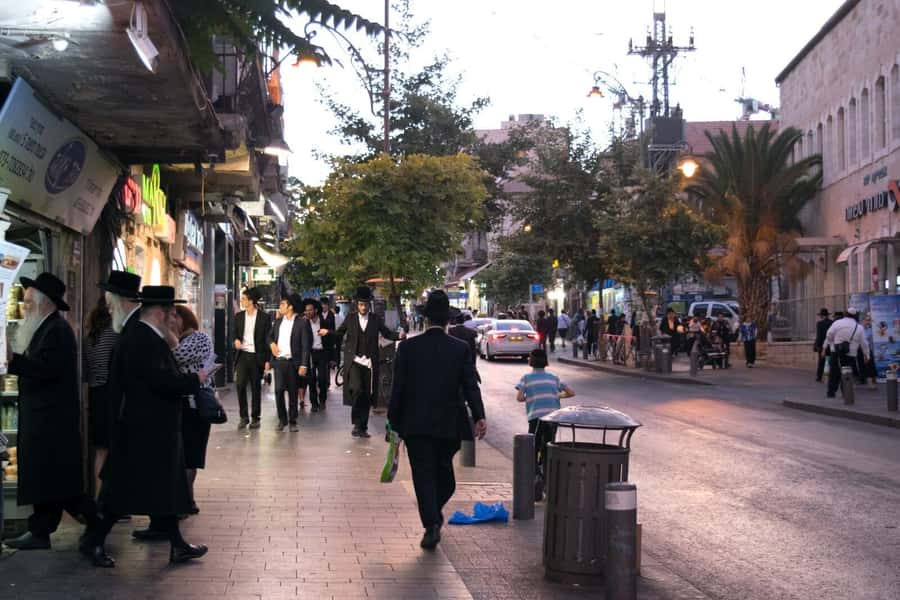
- Street-level stops like book and music shops, bakeries, clothing stores, and eateries
- Religious landmarks you can actually point to, not just read about later
- Outside-only access when needed, paired with clear reasons from the guide
- Conversation built into the walk, including questions about gender roles and marriage
- Practical tips you can use immediately, like what to expect around Sabbath and daily routines
More Jewish heritage walks, from Safed to the Old City
A former insider leads your walk through an ultra-Orthodox neighborhood
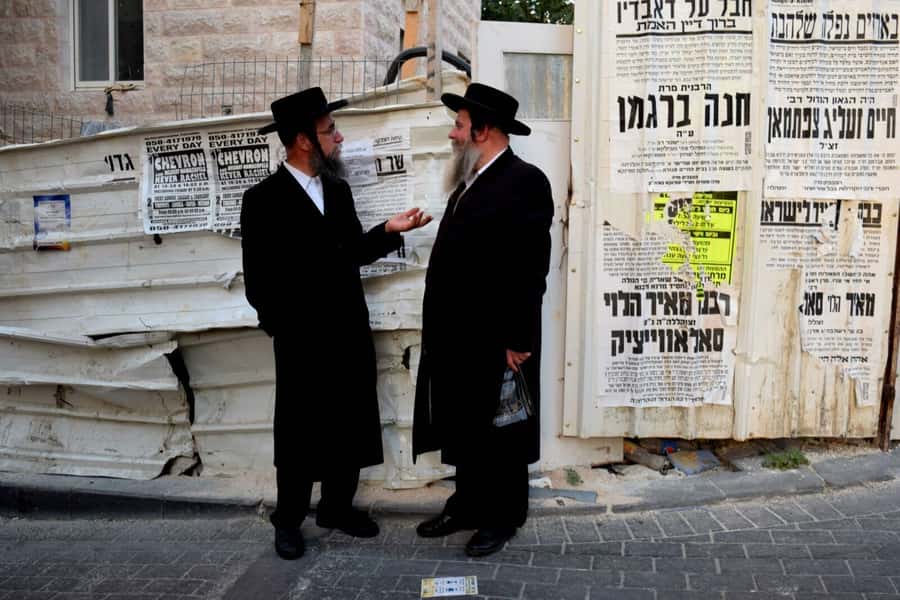
This is a Jerusalem walking tour built around one simple idea: the fastest way to understand a culture is to see it functioning. Instead of focusing on famous monuments, the guide takes you through a traditional ultra-Orthodox area that is not typically on tourist routes.
What makes the experience feel different is the guide. You are led by a former member of the local ultra-Orthodox community, so the tour is not filtered through someone else’s guesses. Even when topics get sensitive, the tone stays grounded. In at least one case, the guide’s name was Moti, and he was described as warm and good at handling tough questions without turning the discussion into a shouting match.
You also get a built-in advantage as a visitor: you are not expected to decode everything on your own. Along the way, your guide points out meaningful symbols and customs and translates what you are looking at into everyday reality.
The streets and storefronts: what you see in 150 minutes
The walk focuses on neighborhood life. You will pass or pause at places such as:
- a bookstore
- a music store
- a restaurant
- a typical bakery
- a clothes shop
- a synagogue
- a yeshiva (Jewish study center)
Do not expect this to feel like a list of sightseeing stops. The value is in the interpretation. A doorway, a sign, a storefront choice, or the way people move through the space can tell you something about community priorities. For example, the tour’s emphasis on institutions like a yeshiva is not just religious name-dropping. It helps you understand how study and identity are built into daily time.
When you cannot go inside, the tour explains why
Some of these places will not be open to visitors for entry, because the local community restricts access. That can sound like a limitation, but it actually becomes part of the learning. You get a glimpse from the outside, and your guide fills in what you would otherwise miss, including why access is limited and how the community understands privacy and boundaries.
If you are hoping to tour inside like you would in a typical attraction, adjust your expectations now. The payoff is a more respectful, grounded street-level experience where the guide is effectively teaching you how to watch, not just where to walk.



What you’ll discuss: marriage, women, media, charity, and more
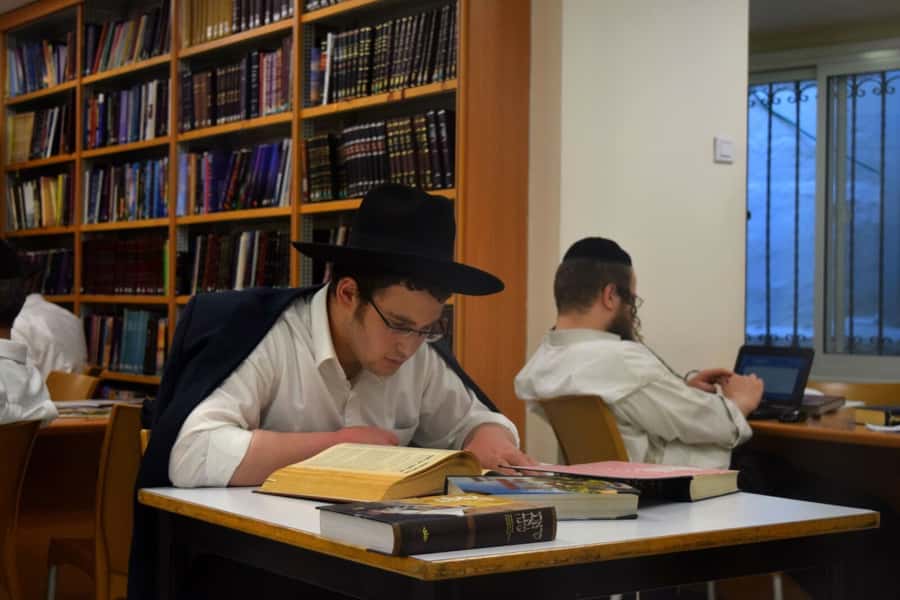
This tour is not only visual. It is also conversational. The guide encourages questions during the walk, and the topics are practical and directly tied to daily life in ultra-Orthodox Jerusalem.
Here are the areas the guide is set up to discuss:
- marriage
- the role of women in their society
- attitudes toward media
- charity and community obligation
- kosher food and what matters day to day
- phones and how modern technology fits in
- Sabbath and holiday customs
- where this sector sits in modern Israeli society
That mix matters. It shows you that ultra-Orthodox life is not just about strict rules. It is about community structure, shared rhythms, and how people navigate modern pressures while staying rooted in tradition.
And because the guide is a former insider, the discussion can include nuance that outsiders often miss. One of the strongest comments people made about this experience was how the guide handled disagreement and tough questions with empathy. That does not mean you will hear the tour as a sales pitch. It means you will hear it as lived reality, plus the guide’s own story of leaving, including how that shift changed how they see the community.
How to dress so you feel comfortable, not stuck
Before you go, read the clothing rules closely. This tour has clear restrictions:
- no shorts
- no sleeveless shirts
Modest clothing is required for both men and women. For women, that includes bringing a scarf or shawl. For everyone, plan on covering shoulders.
You will also want practical items:
- a hat
- water
- a camera (with the understanding that not every place will allow entry)
This matters because your outfit determines how smoothly the walk goes. In tight, traditional communities, a visitor who dresses appropriately is more likely to blend into the flow and have an easier time asking questions without feeling like a disruption.
If you come in hot-weather clothing, you can feel out of place fast. I’d treat this like a small cultural prep mission: pack the scarf, bring a lightweight layer, and then enjoy the discussion without distractions.
The best way to get value from the Q and A
Because this is a guided walk with an interactive format, your money goes further if you show up ready to ask smart questions. The tour is designed to be a conversation, not a monologue, so you get more out of it when you treat it like a two-way street.
A good strategy:
- Ask questions that start with what you actually see outside.
Examples: how daily routines work, why certain norms exist, or what Sabbath changes in real life.
- Be prepared for answers that are candid.
The guide is trained to handle tough subjects, and you will likely talk about gender roles, marriage expectations, and the pressures of modern media.
- If you disagree with a point, ask for explanation rather than debating.
The tone is meant to be respectful, and that keeps the learning focused.
If you like history but prefer real people and real systems, this is your kind of tour. It is less about memorizing dates and more about understanding how communities keep themselves intact.
Meeting point: where to start so you do not waste time
Logistics are simple, but the meeting details are specific.
Abraham Jerusalem is currently closed, so you should not head there. Meet instead at the bus stop outside the hostel, Ha-Nevi’im St 67, Jerusalem.
Arrive a little early. Neighborhood walks move at a human pace, and you will want time to settle in before the tour starts so you can focus on the explanations once the route begins.
Price and value: why $53 for 150 minutes can make sense
At $53 per person for about 150 minutes, this tour is priced like a focused small experience, not a full-day bus excursion. There’s no food included, so you are paying primarily for the guide’s time and interpretation, plus access to learn from someone who lived the culture from the inside.
Is it worth it? In my view, it is a strong value if you fit one of these profiles:
- You want context you can carry with you, instead of just photos.
- You enjoy asking questions and getting direct answers.
- You are curious about how strict religious community life functions in modern Jerusalem.
It might not be the best value if you want:
- lots of indoor entry tickets and sightseeing time
- a relaxed walk with minimal discussion
- an experience that is purely photo friendly
This tour is more like learning a living language. You do not leave with a souvenir; you leave with a better way to read what you see in the streets.
Who this tour suits best (and who should skip it)

This is a great match if you:
- are comfortable walking through a residential area
- want a guided explanation of symbols and customs you might otherwise miss
- like conversations about identity and modern pressures on tradition
It may be less ideal if you:
- hate asking questions and prefer silent sightseeing
- strongly dislike discussions about gender, marriage, media, or religion’s role in daily rules
- are unprepared for modest clothing expectations (especially in hot weather)
Also, if you are visiting with very young kids, this kind of discussion-heavy walk might be harder to manage, since the tour is built around dialogue and attention to detail.
Should you book this Jerusalem Meet the Orthodox Jews Tour?
If you want to understand ultra-Orthodox life in Jerusalem as something lived, not staged, book it. The biggest strength is the guide, a former insider who can explain what you are seeing and answer questions without turning the experience into either propaganda or shock tourism.
Do it if you are open to outside-only viewing of some sites and you can handle a serious, sometimes challenging conversation. Skip it only if you want entry tickets, hands-off sightseeing, or a purely entertaining tour.
Pack modest clothing, water, and a hat, then bring curiosity. This is the kind of tour that changes how you look at a neighborhood, not just how you remember it.
FAQ
How long is the tour?
It lasts 150 minutes, so plan on about two and a half hours on foot.
How much does the tour cost?
The price is $53 per person.
Where do I meet the guide?
Meet at the bus stop outside the hostel on Ha-Nevi’im St 67, Jerusalem. Abraham Jerusalem is closed at the moment.
Is food and drinks included?
No. Food and drinks are not included.
Who guides the walking tour?
The tour is led by a live English-speaking guide who is a former member of the local ultra-Orthodox community.
Is the tour available in English?
Yes, the tour is offered with a live guide in English.
Are there dress code rules?
Yes. Shorts and sleeveless shirts are not allowed. Modest clothing is required, and women should bring a scarf or shawl.
Can I enter places like synagogues or yeshivas?
Some places won’t be possible to enter because of local community restrictions, but you will still see them from the outside with explanations.
What is the cancellation and payment flexibility?
There is free cancellation up to 24 hours in advance for a full refund. You can also reserve now and pay later.
Other Tours We Have Reviewed in Israel
- From Jerusalem: Masada & Dead Sea Full Day Tour with Pick Up
★ 4.5 · 815 reviews - From Jerusalem: Nazareth and Sea of Galilee Tour
★ 4.5 · 588 reviews - From Jerusalem: Masada&Dead Sea Tour INCLUDING ENTRANCE FEES
★ 4.3 · 392 reviews - Jerusalem: Guided Walking Tour of the Old City
★ 4.7 · 386 reviews
More Israel Tour Reviews
- From Jerusalem: Masada & Dead Sea Full Day Tour with Pick Up
★ 4.5 · 815 reviews - Masada and the Dead Sea Day Trip from Jerusalem
★ 4.5 · 757 reviews - From Jerusalem: Nazareth and Sea of Galilee Tour
★ 4.5 · 588 reviews - Nazareth and the Sea of Galilee Day Trip from Jerusalem
★ 4.5 · 446 reviews
Jewish Heritage on Foot in Israel
- Jerusalem Jewish Orthodox Neighborhood Walking Tour
★ 4.0 · 21 reviews - Jerusalem: Old City Shabbat Experience and Walking Tour
★ 4.8 · 8 reviews - Experience Shabbat With Dinner In Jerusalem
★ 5.0 · 5 reviews
Recently Added Israel Tour Reviews
- jerusalem classic tour★ 5.0 · 3 reviews
- Private Walking Tour in Jerusalem’s Old City★ 5.0 · 3 reviews
- Private Tour Bethlehem and the Dead Sea★ 5.0 · 3 reviews
- Jerusalem Temple Mount & Dome of the Rock★ 4.5 · 3 reviews
- Jerusalem and the Dead Sea★ 5.0 · 3 reviews
Jewish Heritage Tours, compared.
 ★ 5.0Kabbalah Heritage WalkFrom $4523 reviews
 ★ 4.0Jerusalem Jewish Orthodox Neighborhood Walking TourFrom $4521 reviews
 ★ 5.0Tour The Mystical City Of SafedFrom $48511 reviews
 ★ 4.8Jerusalem: Old City Shabbat Experience and Walking TourFrom $478 reviews
 ★ 5.0Experience Shabbat With Dinner In JerusalemFrom $1815 reviews
Lists this tour appears in