
REVIEW · JERUSALEM CITY TOURS
Jerusalem Walking Tour
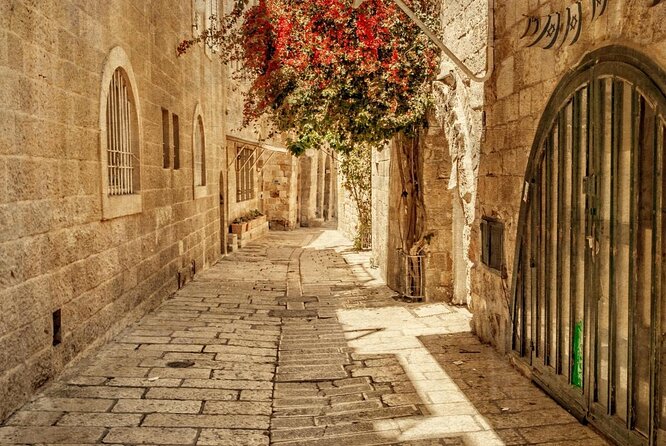
Jerusalem can feel like it runs on stories, not streets. This walking tour helps you stitch those stories together fast, with a route that stays inside the Old City walls and hits major sites across Jewish, Christian, and historical Rome and later eras. I like the straightforward pacing for such a packed route, and I also like that you end with the Old City Arabic Market when you are ready to slow down and absorb the atmosphere.
The best part is how much you cover without turning it into a marathon, usually in 2 to 3 hours. One drawback to consider is that a few stops are religiously intense and can get crowded, so you’ll want to keep expectations realistic if you prefer quieter moments or if you are sensitive to group-led explanations.
In This Review
- Key Highlights You Should Know
- A 2 to 3 hour sweep of Jerusalem’s Old City
- Starting at Alrov Mamilla Avenue: your launch pad for the Old City
- The Cardo and the Broad Wall: Roman street bones and defense walls
- Jewish Quarter and the Western Wall: what you are really walking into
- Optional upgrade: Western Wall Tunnels for 25 NIS
- Temple Mount viewing and the Southern Wall from King Herod’s era
- Cenacle and King David’s Tomb: traditions side by side
- Pools of Bethesda and Via Dolorosa: following story landmarks
- Church of the Holy Sepulchre: the biggest name stop
- Price and value: why $89.99 can make sense
- Guide quality: what to expect and how to pick your moment
- Who this tour fits best
- Should you book Jerusalem Walking Tour?
- FAQ
- How long is the Jerusalem Walking Tour?
- What is included in the $89.99 per person price?
- Are the Western Wall Tunnels part of the standard tour?
- Where does the tour start and end?
- Is this a private tour?
- What if the weather is poor?
- Can I cancel for a full refund?
Key Highlights You Should Know
- Old City focus, not a bus loop: You walk through the walled center where the sites feel close enough to connect.
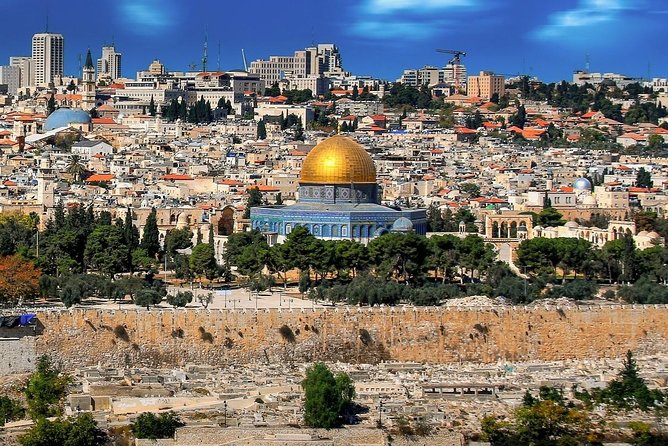
- Temple Mount and Southern Wall views: You get a look tied to major eras, including the Herodian period.
- Western Wall moment, plus optional tunnels: Main site is included, tunnels are an add-on if you book ahead.
- Upper Room and King David’s Tomb nearby: Christianity and Jewish tradition show up side by side.
- Via Dolorosa and Holy Sepulchre: The most famous Christian route and the key church on the same walking day.
- A market finish: You exit through the Arabic Market, where you can linger after the guiding wraps.
More of Jerusalem, beyond the Old City gates
A 2 to 3 hour sweep of Jerusalem’s Old City
This is designed to be the easy, high-value way to see Jerusalem’s core without getting lost in a tangle of streets. You cover a long list of landmarks, but the tour time stays in the sweet spot for most visitors: enough time to understand what you are looking at, not so long that your legs and patience both give up.
The route is also “tri-layer” in a smart way. You move through ancient Jerusalem through Roman street remnants, defensive walls, and neighborhood quarters. Then you switch to the sacred pilgrimage sites that draw people from around the world. Finally, you land in the market, where the Old City feels like a living place, not a museum hallway.
That pacing is exactly why I think the tour works well for first timers. You get to see a lot, learn what to notice, and still have energy to wander on your own afterward.
Starting at Alrov Mamilla Avenue: your launch pad for the Old City
You meet at Alrov Mamilla Avenue 8 in Jerusalem. From there, the tour ends back at the same meeting point, which is practical if you are trying to plan meals later or catch public transit.
One thing to remember about Jerusalem walking days: even when you are only out for a couple hours, you are usually mixing cobblestones, uneven Old City surfaces, and dense pedestrian traffic. Starting from a known address helps you avoid the common first-day problem, which is arriving stressed.
Also, you can count on the logistics being simple. This experience uses a mobile ticket, and it’s set up as a private tour/activity where only your group participates. Private often means a better chance of keeping the flow steady instead of waiting for a big crowd.
The Cardo and the Broad Wall: Roman street bones and defense walls
Stop one is The Cardo, the main street of Jerusalem in ancient Roman times. This is one of those spots where the view looks normal until the guide frames it as structure. The Cardo matters because it tells you Jerusalem was shaped by empires long before modern borders, and you start seeing the city as layered, not one era on top of another.
Next is the Broad Wall, an ancient defensive wall built around Jerusalem. Defensive architecture is a nice reset after Roman street context. You start to understand why people built walls where they did, and how the city’s geography and security shaped everyday movement.
Both of these stops are quick, but that’s part of the value. They prime you. Once you’ve seen one or two “background” pieces, the major religious sites hit harder because you understand what surrounds them.
More Israel taken at walking pace
Jewish Quarter and the Western Wall: what you are really walking into
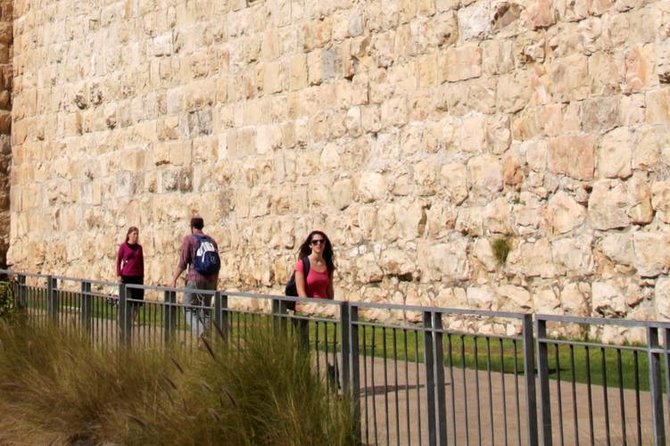
From here you move into the Jewish Quarter, one of the four traditional quarters of the Old City. This area is a good reminder that these sites are not just dramatic landmarks. They are also neighborhoods, with routine life happening alongside pilgrimage.
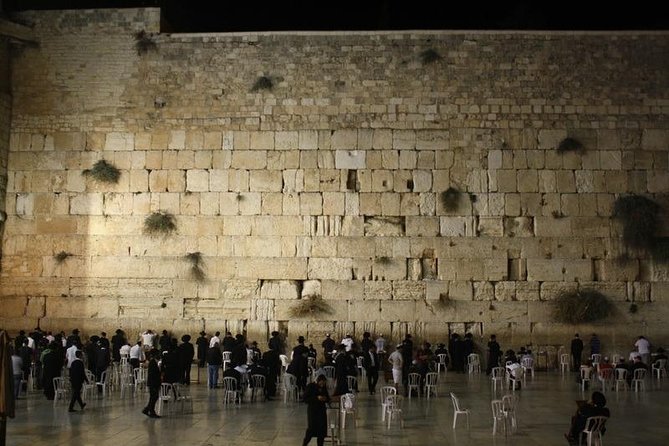
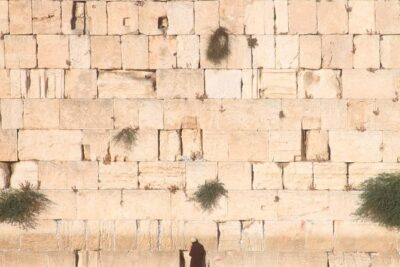
Then comes the big one: the Western Wall. It is the holiest site of Judaism and a major destination for pilgrims. On a walking tour, this is where the guide’s job matters most, because the Western Wall is not the kind of place where you just want facts. You want context, basic etiquette cues, and a way to orient the site within the broader story of Jerusalem.
Optional upgrade: Western Wall Tunnels for 25 NIS
If you want more than surface-level viewing, there’s an option to add the Western Wall Tunnels. The tour does not include entry to the tunnels by default, but the provider can arrange it for a 25 NIS per person supplement if you book ahead, ideally at least one week before.
This add-on is often worth considering if you like archaeology and layers of time. It also gives you a different sensory experience compared with the open-air Old City. If you choose it, plan your energy carefully, since tunnel time can change how fast the overall pace feels.
Temple Mount viewing and the Southern Wall from King Herod’s era
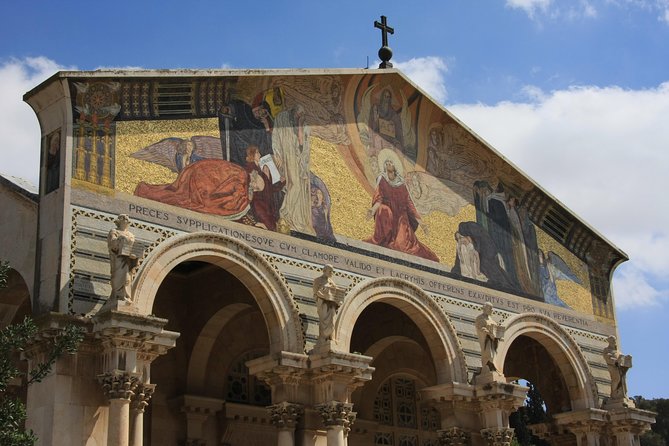
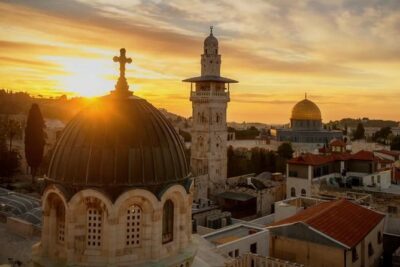
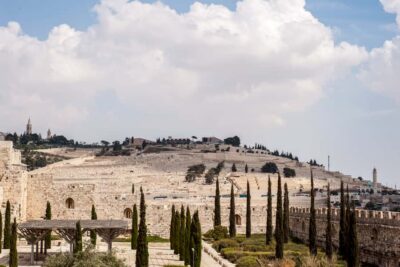
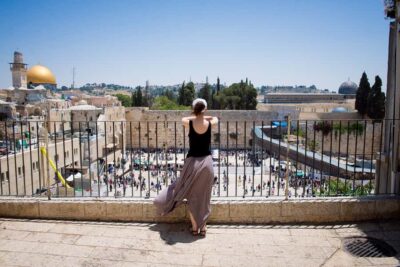
You also get to view the Temple Mount during the tour. The Temple Mount is one of those places where standing near it changes your sense of scale immediately. Even if you are not going deep into rules or access specifics on this walking route, the guide framing helps you see why so many eras converge here.
A key nearby stop is the Southern Wall, built during King Herod. The excavations connected to this area are called out as important tourist sights, and that makes sense. It helps you connect the sacred present to the physical remains of later building projects and renovations.
Practical note: Temple Mount area experiences can feel emotionally intense because of the site’s significance. Keep your pace gentle and your questions simple. If you want to ask more, ask early while the group is still settling, not when you are surrounded by crowds.
Cenacle and King David’s Tomb: traditions side by side
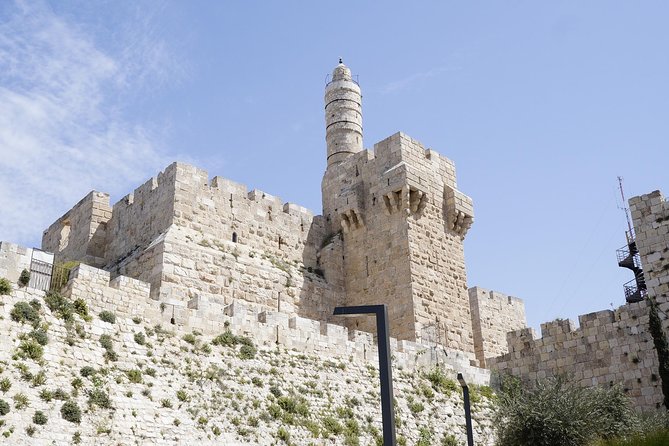
After the Temple Mount area, the tour shifts into Christian tradition territory with the Cenacle, also known as the Upper Room. The guide highlights it as the first Christian church in Jerusalem, traditionally linked to the Room of the Last Supper. Even if you approach religion as history first, the location has a strong “this is where belief met place” feeling.
Right next door is King David’s Tomb. It’s considered by tradition to be David’s burial place. Seeing these two stops in sequence works well. You get a sense that Jerusalem is a map of linked claims, memories, and community identity.
If you are traveling with mixed-interest companions, this part helps. People who care most about Christianity usually latch onto the Cenacle story. People who care most about Jewish tradition often feel more connected at King David’s Tomb and the surrounding Old City quarter context.
Pools of Bethesda and Via Dolorosa: following story landmarks
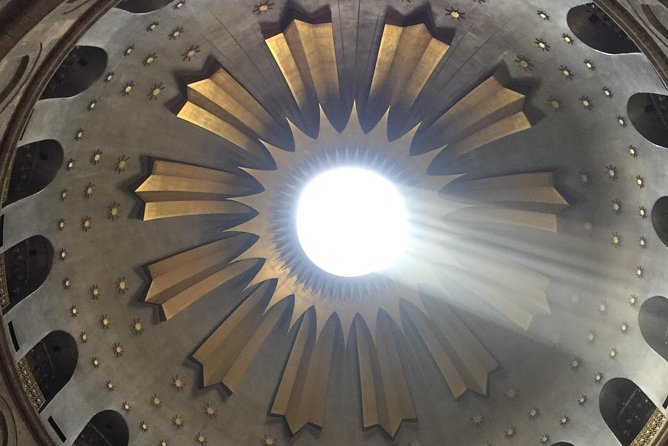
Next you visit the Pools of Bethesda. In the New Testament, Jesus is described as healing a paralyzed man there. That matters because it gives you a concrete way to picture a scene instead of leaving it as vague text.
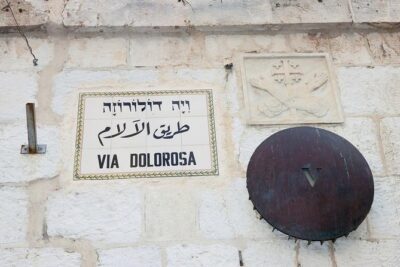
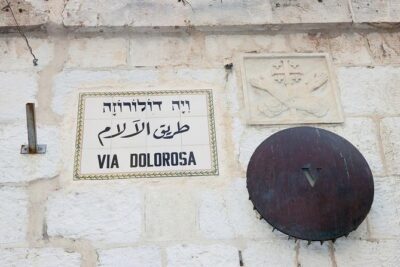
Then comes the Way of the Cross, also known as Via Dolorosa. It is traditionally believed to be the route Jesus took on the way to crucifixion. Walking it with a guide makes a difference because you see how people use the route. The tour framing typically helps you notice what makes a procession route feel different from a regular street, even though you are still in an ordinary traffic flow with shops and pedestrians.
This segment can be one of the most emotionally loaded. If that’s not your style, keep your focus on the physical realities, the changing street textures, and the meaning of the places as religious wayfinding, not just scenic photo stops.
Church of the Holy Sepulchre: the biggest name stop
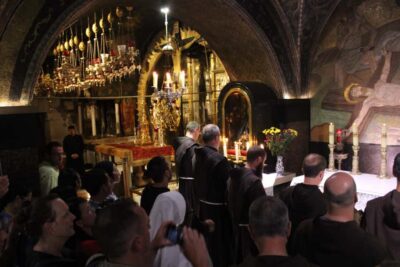
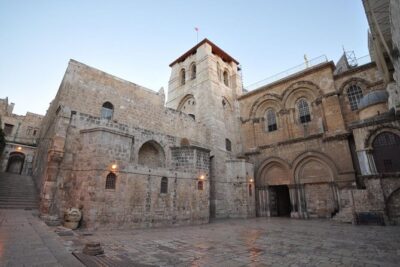
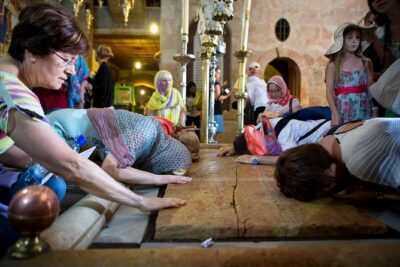
The tour ends at the Church of the Holy Sepulchre, described as Christianity’s holiest site, built on the spot where Jesus was crucified (Calvary). This church is famous enough that it risks becoming just a checklist item. The upside of a guided route is that you get a reason to slow down and look.
Expect the Holy Sepulchre to feel complex. You are in a single building that holds multiple layers of Christian remembrance. Even a short guided stop can help you understand why it draws so many people and why it feels different from other churches you might see in Europe.
Once the guiding part is over, you exit via the Arabic Market. This is a great payoff, because after sacred sites, the market lets you reset with food smells, everyday chatter, and the chance to buy small things without turning the day into a shopping mission.
Price and value: why $89.99 can make sense
At $89.99 per person, this isn’t a budget-only option. So the question is value: are you getting a lot for the money, or just paying for walking and a few names?
For me, the best value argument is the blend of coverage and structure. You get major Old City landmarks in about 2 to 3 hours, and you get them sequenced in a way that helps you connect Rome, Jewish quarters, and Christian sites into one coherent route. If you’ve ever tried to DIY Jerusalem Old City without a plan, you already know what you lose: time, context, and confidence that you are seeing the right thing.
Also, there’s a group discount element, and the tour offers a mobile ticket. Those pieces don’t sound dramatic, but they make the day simpler to manage.
If you are the type who loves one big archaeology upgrade, the Western Wall Tunnels option for 25 NIS per person is a relatively straightforward add-on. It can increase value if tunnels are your priority.
Guide quality: what to expect and how to pick your moment
Guide quality is the single biggest variable in Jerusalem walking tours, and the feedback you have here points in two directions.
On the positive side, the standout name that comes up is Harley. Multiple comments praise his deep grasp of archaeology, history, and religion, and how he can explain things in a way that even kids enjoy. One guest also described a longer-than-expected experience, tied to the way the guide shared a stronger master class than the standard pace.
On the other side, there is at least one concern about clarity, where a guide’s English was hard to follow. That doesn’t mean the whole tour is inconsistent, but it does suggest you should be attentive to communication style.
Practical tip: if you know you need very clear spoken English, consider sending a message ahead to confirm the guide’s language fit. Also, ask any key question when your group is gathered, not when everyone is rushing into the next doorway.
Who this tour fits best
This walking tour fits best if you want a high-impact Jerusalem day without complicated logistics. I think it’s a solid pick for:
- First-time visitors who want the Old City highlights in a single, guided route
- People who like history connections, Roman street remnants through later sacred sites
- Couples and friends who want structure but still plan to roam afterward
- Families who need an explanation that can hold attention
It may be less ideal if you want long solo exploration time at each major site. Some stops are short, by design. If you want to linger for one church or one corner to the point that the guide’s time feels too fast, you might prefer a longer private option elsewhere.
Should you book Jerusalem Walking Tour?
I’d book it if you want the efficient Jerusalem experience, with major religious and historical landmarks in a walkable, guided arc that still leaves you space to enjoy the market at the end. The price looks fair when you factor in the number of significant stops and the fact that you’re not trying to stitch together context yourself in the Old City.
I’d skip it or at least adjust expectations if you strongly dislike crowds at sacred sites, if you need very clear spoken language, or if you prefer slow, unstructured wandering over guided pacing.
FAQ
How long is the Jerusalem Walking Tour?
The tour runs about 2 to 3 hours.
What is included in the $89.99 per person price?
The price includes visiting all the sights along the route. Entry to the Western Wall Tunnels is not included.
Are the Western Wall Tunnels part of the standard tour?
No. You can add the Western Wall Tunnels for a supplement of 25 NIS per person if arranged in advance.
Where does the tour start and end?
It starts at Alrov Mamilla Avenue 8 in Jerusalem and ends back at the meeting point.
Is this a private tour?
Yes. It is private, with only your group participating.
What if the weather is poor?
The experience requires good weather. If it is canceled due to poor weather, you will be offered a different date or a full refund.
Can I cancel for a full refund?
Yes, with free cancellation. Cancel up to 24 hours in advance for a full refund. If you cancel less than 24 hours before the start time, you do not get a refund.
Other Tours We Have Reviewed in Israel
- From Jerusalem: Masada & Dead Sea Full Day Tour with Pick Up
★ 4.5 · 815 reviews - From Jerusalem: Nazareth and Sea of Galilee Tour
★ 4.5 · 588 reviews - From Jerusalem: Masada&Dead Sea Tour INCLUDING ENTRANCE FEES
★ 4.3 · 392 reviews - Jerusalem: Guided Walking Tour of the Old City
★ 4.7 · 386 reviews
More Israel Tour Reviews
- From Jerusalem: Masada & Dead Sea Full Day Tour with Pick Up
★ 4.5 · 815 reviews - Masada and the Dead Sea Day Trip from Jerusalem
★ 4.5 · 757 reviews - From Jerusalem: Nazareth and Sea of Galilee Tour
★ 4.5 · 588 reviews - Nazareth and the Sea of Galilee Day Trip from Jerusalem
★ 4.5 · 446 reviews
Jerusalem, Other Days Out
- Full Day City Tour of Jerusalem
★ 4.1 · 367 reviews - Old and New Jerusalem Full-Day Tour
★ 4.0 · 273 reviews - Jerusalem and Bethlehem Day Tour from Jerusalem
★ 4.5 · 258 reviews - Jerusalem Half-Day Sightseeing Tour
★ 3.9 · 177 reviews
Recently Added Israel Tour Reviews
- jerusalem classic tour★ 5.0 · 3 reviews
- Private Walking Tour in Jerusalem’s Old City★ 5.0 · 3 reviews
- Private Tour Bethlehem and the Dead Sea★ 5.0 · 3 reviews
- Jerusalem Temple Mount & Dome of the Rock★ 4.5 · 3 reviews
- Jerusalem and the Dead Sea★ 5.0 · 3 reviews
Jerusalem City Tours, compared.
 ★ 4.3From Tel Aviv: Jerusalem and Bethlehem Guided Day TripFrom $1181,316 reviews
 ★ 4.0Tel Aviv: Jerusalem, Bethlehem & Dead SeaFrom $109881 reviews
 ★ 4.5Day Tour to Jerusalem and Bethlehem from Tel AvivFrom $121720 reviews
 ★ 4.1Full Day City Tour of JerusalemFrom $75367 reviews
 ★ 4.5Old and New Jerusalem Day Trip from Tel AvivFrom $95296 reviews
 ★ 4.0Old and New Jerusalem Full-Day TourFrom $75273 reviews
 ★ 4.5Jerusalem and Bethlehem Day Tour from JerusalemFrom $106258 reviews
 ★ 3.9Jerusalem Half-Day Sightseeing TourFrom $50177 reviews
Lists this tour appears in