
REVIEW · JERUSALEM OLD CITY
Jerusalem: Old City Morning Tour
Jerusalem is at its sharpest before noon. This Old City morning walk links the Western Wall, the Via Dolorosa, and the Church of the Holy Sepulchre into one logical route, and I really like that you also move through all four historic quarters. My other favorite part is how the guide ties each stop to everyday faith and tradition, not just dates. The main drawback is simple: you are on stairs and uneven ground for several hours, so comfortable shoes and realistic pacing matter.
The tour is led by Tourist Israel Tours with an English-speaking guide. When the guide is on point, it feels smooth and explanatory, and I’ve seen top feedback for guides like Hanoch, Oded, and Inbar, including praise for clear explanations and answering questions well. Still, a small number of experiences mention disorganization or delayed timing, so if you are on a tight schedule, plan a little cushion.
In This Review
- Key highlights to look for
- Arriving at 07:45 and Getting Oriented at Jaffa Gate
- Western Wall: Why This Stop Matters in Real Life
- Crossing the Four Quarters: One City, Four Lived Realities
- Via Dolorosa on Foot: Walking a Route That Became Symbol
- Church of the Holy Sepulchre: Nearly 1700 Years of Layers
- Price and value: Is $39 for 3 hours worth it?
- Guide quality and pacing: What to watch for
- What to wear and bring so the morning feels good
- Who this Jerusalem Old City morning tour suits best
- Should you book this Jerusalem Old City Morning Tour?
- FAQ
- How long is the Jerusalem: Old City Morning Tour?
- Where does the tour start and when?
- What will I see during the tour?
- What should I bring or wear?
- Is the tour suitable for limited mobility?
- Can I cancel or pay later?
Key highlights to look for
- All four quarters in one morning, Jewish, Christian, Armenian, and Muslim, so you get the whole Old City picture quickly
- Western Wall stop that helps you understand why people come from far and wide to pray
- Via Dolorosa walk for a guided look at the path associated with Jesus
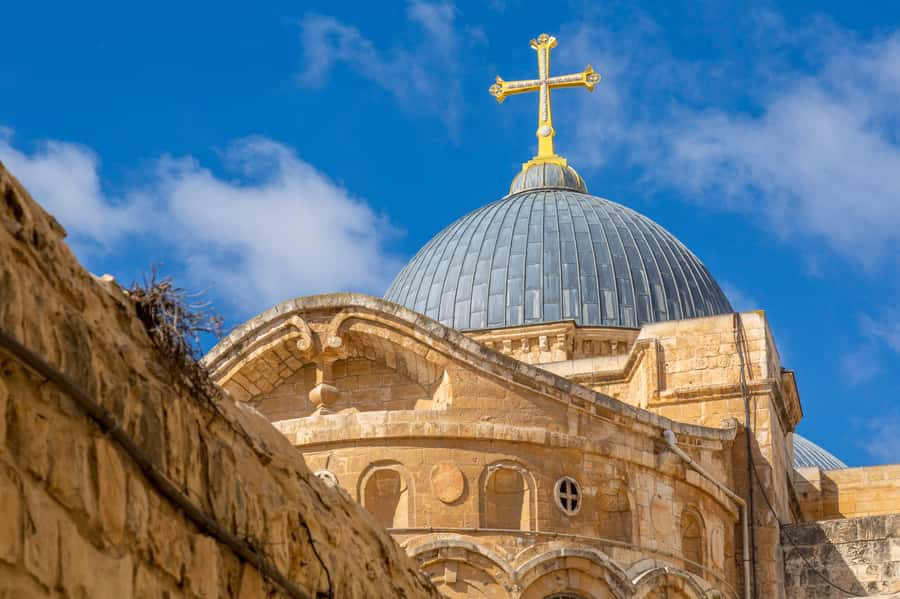
- Church of the Holy Sepulchre with nearly 1700 years of layered significance
- Morning start at 07:45 from David Citadel Hotel, which helps you get moving early
- Modest dress required (knees and shoulders covered), which keeps holy-site visits respectful
Inside the walls: other Old City routes we have reviewed
Arriving at 07:45 and Getting Oriented at Jaffa Gate
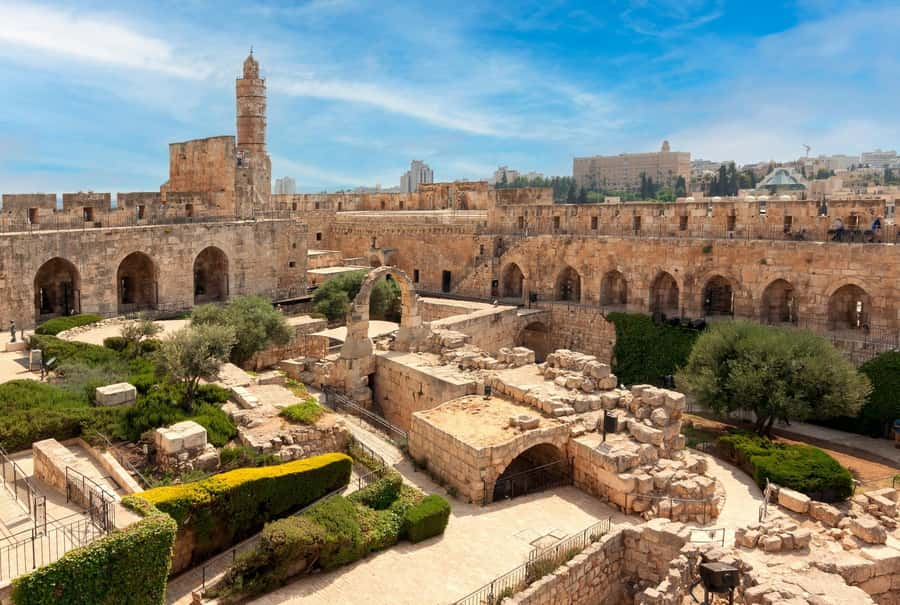
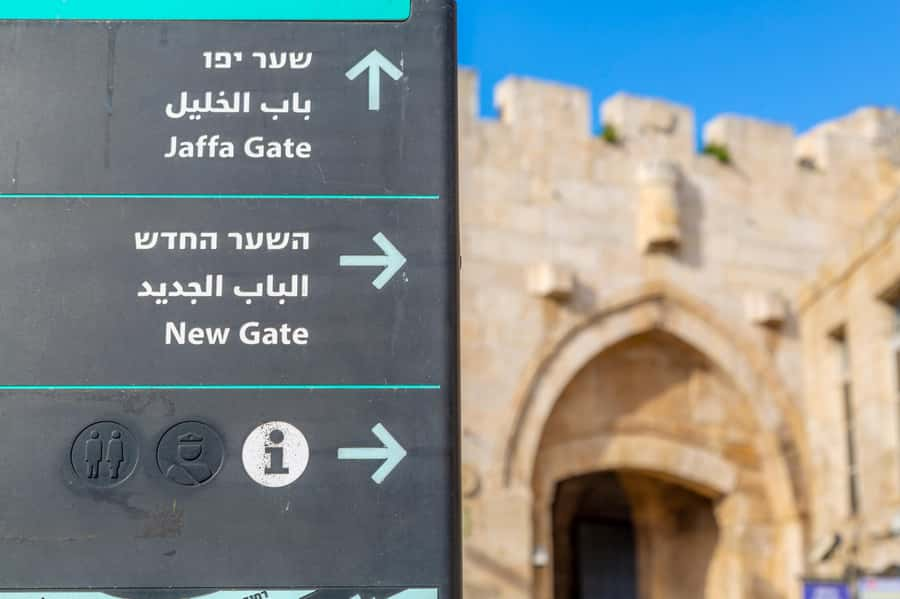
This tour starts outside the David Citadel Hotel at 07:45 AM, and it begins with you entering through Jaffa Gate. That’s a smart choice. Jaffa Gate is the kind of threshold where Jerusalem instantly feels lived-in, not museum-like. Even if you have been reading about Jerusalem for years, you still need that first moment to orient yourself, find your bearings, and understand where you are in the maze.
The guide leads you into the Old City area and starts building a mental map. You do a first leg of walking, then the tour settles into the big anchor stops. The value here is not just seeing landmarks, it is learning how they connect. In a city where the streets can feel like a puzzle, a guided start helps you avoid wandering in random circles, burning time and energy you could spend at the real sites.
One practical tip: wear shoes you can walk in for a while without thinking about them. The tour is short on paper at 3 hours, but the ground is not flat, and there are stairs. If you are the type who gets sore easily, you will feel it by the end.
Western Wall: Why This Stop Matters in Real Life
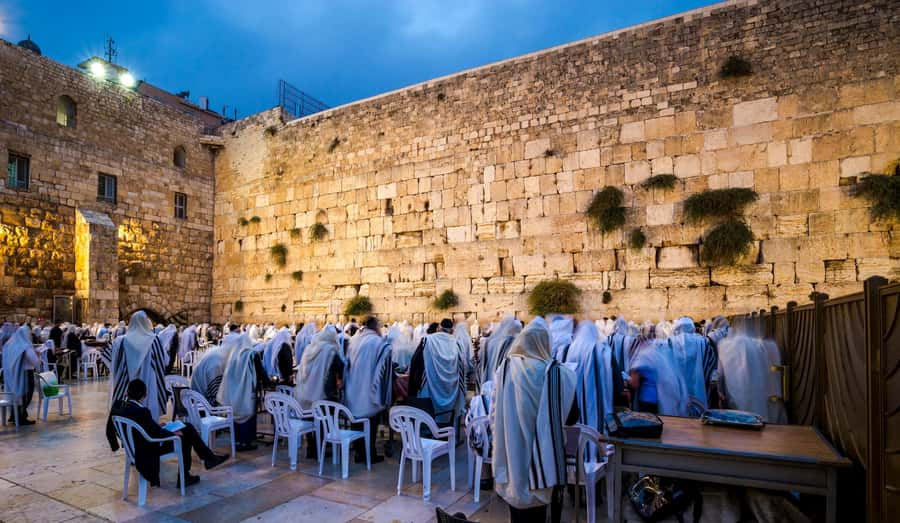
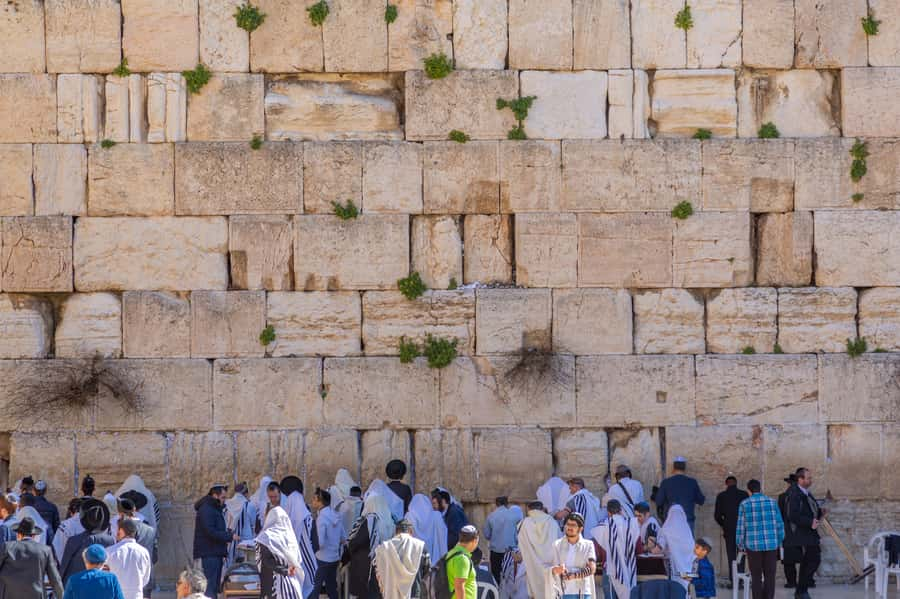
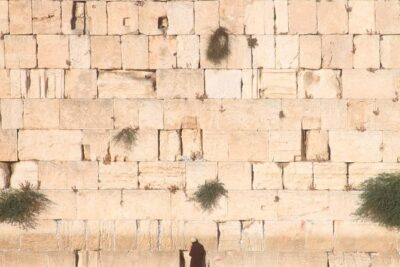
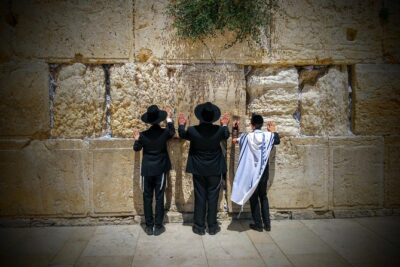
Next is the Western Wall, and you spend dedicated time there. The tour framing is important: it is not presented as a photo-op, it is explained as a living place of prayer. You learn why the Wall is notable for Jews who come from far and wide to pray there, which gives the stop more weight than a simple sight description.
What I like about handling this early is that the Wall sets the tone for the whole morning. It anchors the experience in a clear religious and cultural focus, so when you move afterward through Christian and Muslim areas, you understand the contrast and overlap better. The guide points out details that help you interpret what you are seeing, and that makes your time feel more intentional.
A drawback to consider is that this is a holy site. If you are not comfortable with religious spaces, or if you do not like being in a place where people are actively praying, you might find the mood a bit heavy. On the other hand, if you want to understand Jerusalem’s meaning to different communities, this is the one stop that carries that lesson fast.
Crossing the Four Quarters: One City, Four Lived Realities
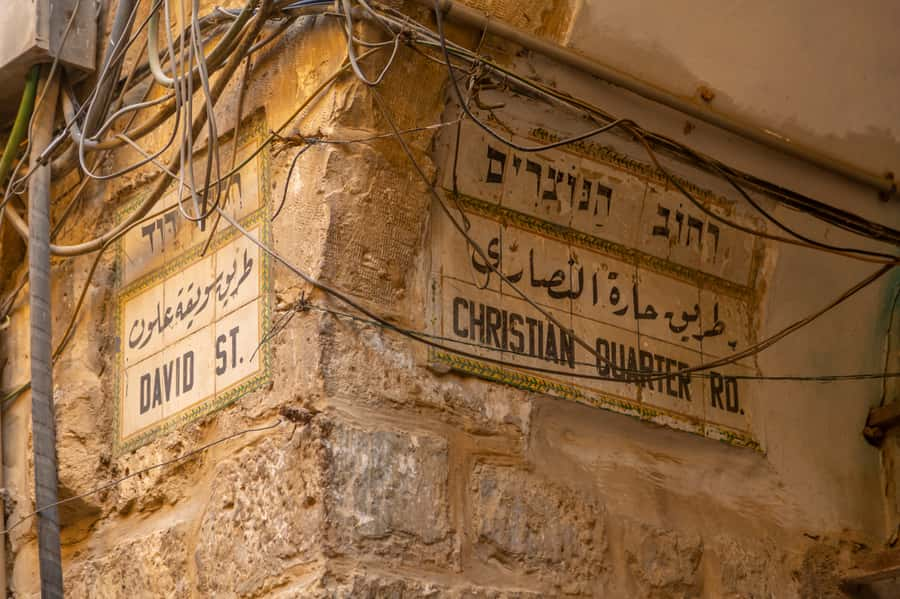
A key part of the tour is walking through all four historic quarters: Jewish, Christian, Armenian, and Muslim. This is where the tour earns its keep. Instead of just checking boxes, you get a guided sweep that helps you see how Jerusalem’s identity is layered.
Here is what you can expect in practice. The guide highlights details, traditions, and stories that define each quarter. You learn to notice differences in the way spaces are organized and how people relate to the environment around them. Even if you only know Jerusalem through general headlines, the quarters give you structure. You start to understand that what you call Jerusalem is made from multiple neighborhoods with their own rhythms and meaning.
This section also helps you avoid a common first-time mistake: treating the Old City like one uniform backdrop. It is not. The quarters feel distinct, and that difference is part of the point. If you are visiting for a short time, a guided route through all four quarters gives you a fast, coherent orientation.
If you are sensitive to crowded or high-energy spaces, plan for the fact that several quarters are active areas of daily religious and community life. The tour keeps you moving, so you should be ready to look, listen, and walk, not linger everywhere.
More Israeli cities, walked end to end
Via Dolorosa on Foot: Walking a Route That Became Symbol
After the Wall, you stroll along the Via Dolorosa, including a guided walk on the path associated with Jesus. This section is powerful because you are not learning it from a distant perspective. You move along a route that many people consider meaningful in Christian tradition, and your guide connects what you see to the story it represents.
One reason this works on a morning tour is timing. You are starting early enough that you can focus on the guide’s explanations without feeling like the city has already worn you down. Plus, the walking helps you remember the route. It is harder to forget what you walked than what you only read.
That said, manage your expectations. The Via Dolorosa is not a quiet scenic path. It is a busy, symbolic street inside a living Old City. The guide keeps you on track, so you see the relevant stretch rather than wandering. Still, if you need downtime and silence to absorb sights, you may feel a bit rushed.
Church of the Holy Sepulchre: Nearly 1700 Years of Layers
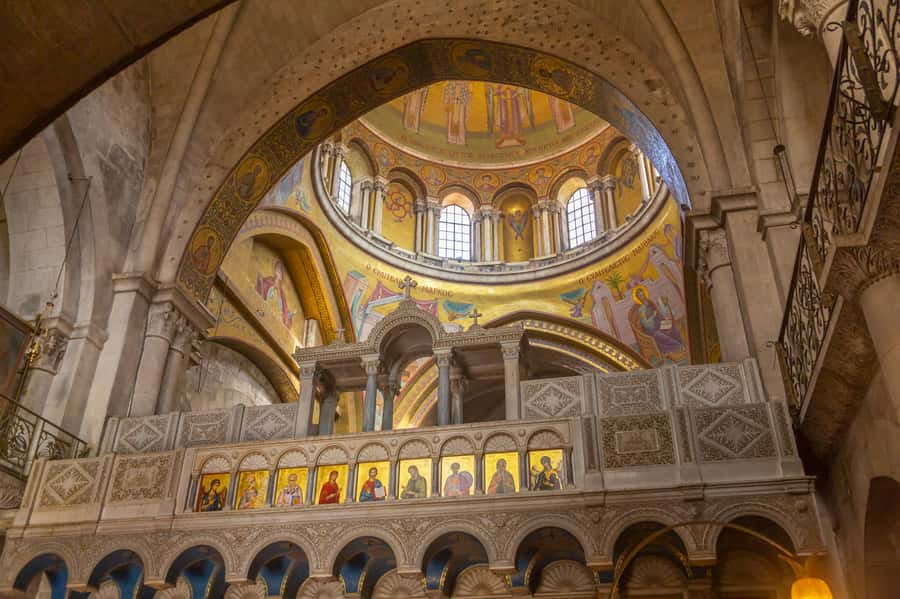
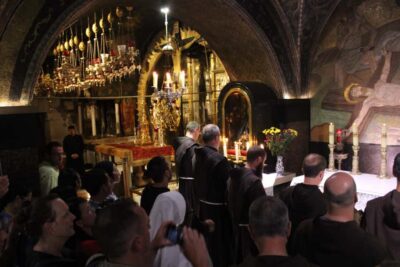
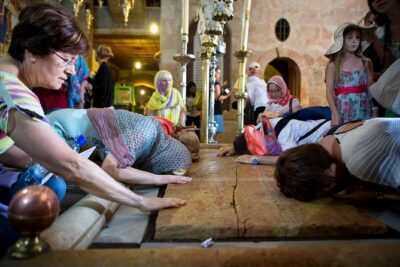
The final major stop is the Church of the Holy Sepulchre, with time to visit and explore. The tour highlights that it dates back nearly 1700 years, and that single detail explains why this place can feel complicated, intense, and deeply important to many Christians.
What makes the stop valuable is the guided context. Instead of just looking at architecture and artwork, you get help understanding why the church matters and what you are seeing as part of a long timeline. In a city where multiple traditions are still active and still evolving, a place this old becomes a kind of historical crossroads.
Practical consideration: this is a holy site and usually includes stairs, tight transitions, and areas where you need to watch your footing. The tour includes “some stairs and uneven ground,” and that matters here. If you already know you have issues with uneven surfaces, message the operator ahead so they can help arrange an alternate option if possible.
When the tour ends, you finish at Jaffa Gate, which is a convenient exit point. By walking out at the end, you leave feeling like you understand how you got inside, and you have a natural place to orient yourself for the rest of your day.
Price and value: Is $39 for 3 hours worth it?
At $39 per person for a 3-hour English guided walk, the cost is positioned as a practical way to cover major Old City anchors without navigating on your own. You are paying for two main things: a hand-picked expert guide and the time savings of having a route that hits key sites.
Here is how I judge value for this kind of tour:
- If you want a fast first exposure to Jerusalem’s major landmarks plus the four quarters, a guided morning is efficient.
- If you can read maps well and enjoy self-guided wandering, you might spend less money doing it alone. But you will also likely spend more time figuring out what to focus on.
- If you care about understanding why each place matters to different communities, the guide is not optional. That is the main reason the tour costs more than just transportation.
Also, the tour does not include meals or drinks. That is normal for a short morning tour. You should plan a breakfast or snack before you start, especially since the route is active and you will be on your feet.
If you are comparing options, ask yourself whether your biggest need is orientation and context, or whether you just want to see as many monuments as possible. This tour leans toward context.
Guide quality and pacing: What to watch for
Most people come for the sites, but the guide controls the experience. In the best versions of this tour, you get exactly what you hope for: clear communication, enough detail to understand what you are seeing, and a guide who handles questions without making it awkward.
There are strong signals that some guides do this exceptionally well. Hanoch has been praised for being very interesting, Oded has earned standout mentions, and Inbar is noted for having lots of useful information and being easy to understand, with no question too difficult.
At the same time, not every experience has been perfectly smooth. A minority of bookings report issues like starting late and the schedule running longer than expected. Another complaint describes poor organization and losing track of part of the group. I am not saying it will happen to you, but you should take it seriously if you have a fixed plan afterward.
Practical move: build in buffer time for the rest of your day. Do not book a tight next appointment right after the tour ends.
What to wear and bring so the morning feels good
This is one of those tours where preparation changes everything.
Bring:
- Comfortable shoes you can walk in for several hours
- Water or a simple snack before you go, since meals and drinks are not included
Wear:
- Modest dress is obligatory for visits to the Old City’s holy sites
- Clothing that covers knees and shoulders
And plan for movement. The tour includes several hours of walking, with some stairs and uneven ground. If you have limited mobility, contact the operator to ask about arranging an alternate touring option. That matters here, because the route involves walking and site transitions.
If you show up in improper clothing or uncomfortable footwear, you will spend the morning correcting it rather than absorbing the experience.
Who this Jerusalem Old City morning tour suits best
This tour is a good fit if:
- You want to see the most important Old City landmarks in a short window
- You like guided context that connects sites to faith and tradition
- You can handle a few hours of walking and some stairs
It may be less ideal if:
- You struggle with uneven ground or need a mobility-friendly route
- You hate religious spaces or prefer purely secular sightseeing
- You have a hard schedule right after the tour, since pacing has occasionally been reported as inconsistent
The sweet spot is a first-time visitor who wants a structured overview, and a return visitor who wants the story tightened up and made easier to understand.
Should you book this Jerusalem Old City Morning Tour?
I think it is worth booking if you want a guided hit of the Old City’s biggest anchors, and if you value understanding how different quarters and holy sites connect. $39 for 3 hours is fair when you compare it to what you get: a route that touches the Western Wall, the Via Dolorosa, the Church of the Holy Sepulchre, and all four historic quarters with an English-speaking guide.
Book it confidently if your biggest priority is getting oriented fast and learning what to look for. But book with your eyes open if you have limited mobility or a tight timeline after the tour, because the walking demands are real and timing has not always been perfectly consistent.
If you want, tell me your travel dates and whether you plan to do any other Old City stops the same day, and I’ll help you stitch this into a smart morning plan.
FAQ
How long is the Jerusalem: Old City Morning Tour?
The tour lasts 3 hours.
Where does the tour start and when?
It starts at 07:45 AM outside David Citadel Hotel, and it finishes back at Jaffa Gate.
What will I see during the tour?
You’ll get a guided walking tour covering all four historic quarters, with stops including the Western Wall, part of the Via Dolorosa, and the Church of the Holy Sepulchre.
What should I bring or wear?
Wear modest clothing that covers your knees and shoulders, and bring comfortable shoes. The tour involves walking, stairs, and uneven ground.
Is the tour suitable for limited mobility?
The tour includes stairs and uneven ground. If you have limited mobility, you should get in touch with the operator to ask about arranging an alternate touring option.
Can I cancel or pay later?
Yes. You can cancel up to 24 hours in advance for a full refund, and you can reserve now and pay later.
Other Tours We Have Reviewed in Israel
- From Jerusalem: Masada & Dead Sea Full Day Tour with Pick Up
★ 4.5 · 815 reviews - From Jerusalem: Nazareth and Sea of Galilee Tour
★ 4.5 · 588 reviews - From Jerusalem: Masada&Dead Sea Tour INCLUDING ENTRANCE FEES
★ 4.3 · 392 reviews - Jerusalem: Guided Walking Tour of the Old City
★ 4.7 · 386 reviews
More Israel Tour Reviews
- From Jerusalem: Masada & Dead Sea Full Day Tour with Pick Up
★ 4.5 · 815 reviews - Masada and the Dead Sea Day Trip from Jerusalem
★ 4.5 · 757 reviews - From Jerusalem: Nazareth and Sea of Galilee Tour
★ 4.5 · 588 reviews - Nazareth and the Sea of Galilee Day Trip from Jerusalem
★ 4.5 · 446 reviews
More Ways Through the Old City
- Jerusalem: Guided Walking Tour of the Old City
★ 4.7 · 386 reviews - Old and New Jerusalem Full-Day Tour
★ 4.0 · 273 reviews - From Jerusalem Small group tour Old&New City ENTRY FEES INCL
★ 4.0 · 135 reviews - Best seller! Jerusalem old city four quarters tour
★ 5.0 · 123 reviews
Recently Added Israel Tour Reviews
- jerusalem classic tour★ 5.0 · 3 reviews
- Private Walking Tour in Jerusalem’s Old City★ 5.0 · 3 reviews
- Private Tour Bethlehem and the Dead Sea★ 5.0 · 3 reviews
- Jerusalem Temple Mount & Dome of the Rock★ 4.5 · 3 reviews
- Jerusalem and the Dead Sea★ 5.0 · 3 reviews
Jerusalem Old City, compared.
 ★ 4.2From Tel Aviv: Jerusalem Old & New City Bus TourFrom $95824 reviews
 ★ 4.4From Tel Aviv: Jerusalem Old City & Dead Sea Guided Day TourFrom $133389 reviews
 ★ 4.7Jerusalem: Guided Walking Tour of the Old CityFrom $57386 reviews
 ★ 4.5Old and New Jerusalem Day Trip from Tel AvivFrom $95296 reviews
 ★ 4.0Old and New Jerusalem Full-Day TourFrom $75273 reviews
 ★ 4.0From Jerusalem Small group tour Old&New City ENTRY FEES INCLFrom $97135 reviews
 ★ 5.0Best seller! Jerusalem old city four quarters tourFrom $450123 reviews
 ★ 5.0Private Tour Jerusalem Old CityFrom $500118 reviews
Lists this tour appears in