
REVIEW · THE DEAD SEA
Jerusalem and the Dead Sea Tour
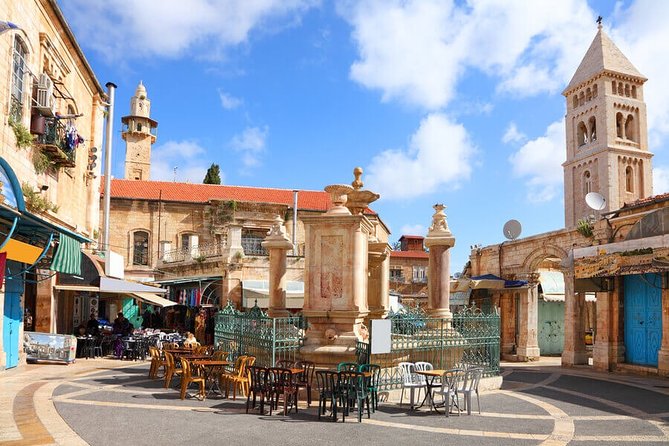
Jerusalem and the Dead Sea in one full day. This tour strings together Mount of Olives panoramas, Old City holy sites, and then the moment you finally float in the ultra-salty Dead Sea. I like how much ground you cover without the stress of self-planning. The tradeoff is that the Old City stops are time-boxed, so the vibe is more guided and efficient than slow and meditative.
You start with hotel pickup in an air-conditioned coach and a professional guide, which matters in Jerusalem traffic and heat. You also get the entry fees and a solid Dead Sea block, including mud application and rinse. If you want extra time inside the busiest places, you’ll need to manage expectations and maybe plan a separate revisit later.
In This Review
- Key Highlights You Should Care About
- The Real Value of a Jerusalem to Dead Sea Day Trip
- Starting the Day With Mount Scopus Views and Easy Orientation
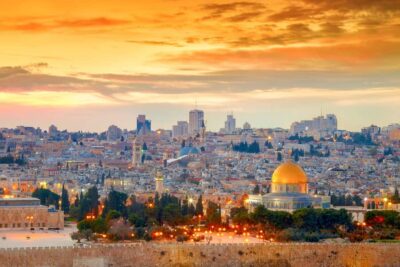
- The Mount of Olives Stop: Dome of the Rock Photo Moment
- Garden of Gethsemane and the Christian Sites on the Way In
- Old City Jerusalem in One Day: Jewish, Christian, and Muslim Quarters
- Western Wall Visit: Short, but Usually the Most Powerful
- Via Dolorosa and the Stations of the Cross: Expect Crowd Energy
- Church of the Holy Sepulchre: Why 30 Minutes Feels Like a Lot
- Dead Sea Arrival: Mud Treatment and the Sulphur Rinse
- What to Bring So You Enjoy the Dead Sea Portion
- Price, Coach Comfort, and What Costs Extra
- Guides Make the Difference, From Itamar to Zahi
- Schedule Reality: When One Day Feels Tight
- Who This Tour Is For, and Who Should Consider a Different Plan
- Should You Book This Jerusalem and Dead Sea Tour?
- FAQ
- What is the duration of the Jerusalem and Dead Sea tour?
- Is hotel pickup and drop-off included?
- How much time do you get at the Dead Sea?
- Are entrance fees included?
- What should I wear for the religious sites?
- Is food included?
Key Highlights You Should Care About
- Mount of Olives orientation that helps you understand where everything sits in relation to the Old City
- Old City walking loop across Jewish, Armenian, Christian, and Muslim quarters in one day
- Western Wall + Via Dolorosa for two of Jerusalem’s most visited religious streets
- Church of the Holy Sepulchre time limits that make good planning and patience essential
- Dead Sea floating plus mud treatment with enough time to actually enjoy it
Still choosing a Dead Sea day? Here are the alternatives
The Real Value of a Jerusalem to Dead Sea Day Trip
This is a classic “big highlights” day, and that is exactly what it does well. Jerusalem holy sites can be hard to stitch together on your own without losing hours to lines, transit, and meeting points. Here, the coach and guide take care of the moving parts, so you can focus on seeing.
At $106 per person for about 10 hours, you are paying for three big costs: transport (including hotel pickup and drop-off), a guide, and Dead Sea entry experience time. Food is not included, so plan to buy lunch and snacks on your own during the Jerusalem portion. Also note the group size max is 40, which usually keeps the day feeling managed rather than chaotic.
One more detail that affects your day: this tour is built around walking and time windows. You should expect pace, not lingering. If your ideal Jerusalem day is long stops and quiet corners, consider splitting it into two trips.
Starting the Day With Mount Scopus Views and Easy Orientation
You kick off at Mount Scopus National Botanical Garden, with a panoramic look down toward Jerusalem. The stop is listed as 30 minutes and admission is free, so it is a low-cost way to get your bearings. You can often see how areas of the city relate to the Old City before you start the tight maze of streets later.
This is also a helpful warm-up if you feel tired of arriving and immediately jumping into crowds. Getting a broad view first makes it easier to understand what you are seeing when you later look at the Temple Mount area from viewpoints. Bring water early, even if you do not need it yet, because the rest of the day is heavy on sun and walking.
If you hate photo stops, this could feel like one more “stand and look” moment. But for first-time visitors, this orientation is worth it.
The Mount of Olives Stop: Dome of the Rock Photo Moment
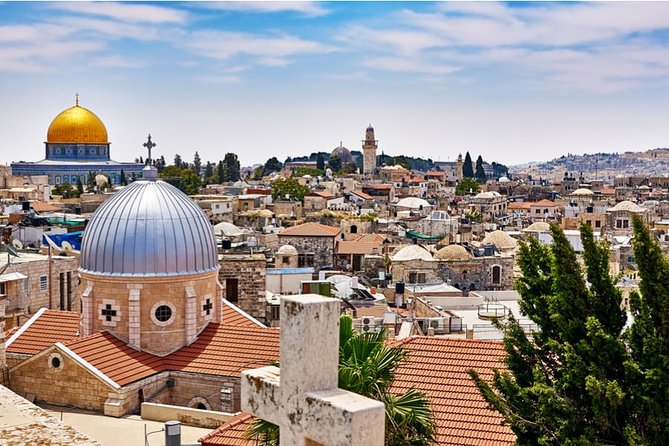
After the botanical garden, you get a view of the Dome of the Rock and Temple Mount area. The tour description frames it as a ridge area look from the Mount of Olives, which is a strong starting point because you can see the Old City from a distance.
Then you head toward the Garden of Gethsemane, which sits at the foot of the Mount of Olives. This pairing works because the landscape context connects the religious sites to the geography. You do not just hear names, you also understand the “where” behind them.
Important practical note: you will be outdoors for viewpoints and transfers. Jerusalem in daylight can feel intense fast, so hat and sun protection are not optional. The dress rule also matters since you will later enter worship spaces.
Garden of Gethsemane and the Christian Sites on the Way In
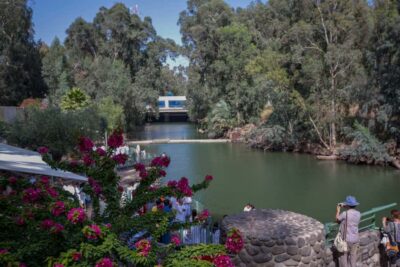
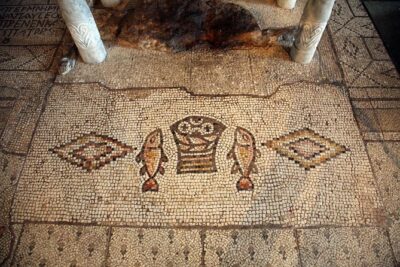
The itinerary includes the Garden of Gethsemane, plus the stop for the Church of All Nations. This is the part of the day where the tour shifts from views to place-based storytelling. The tour description links Gethsemane with prayer and the night before the crucifixion, and that kind of context can make the stop feel more meaningful.
From here, you pass through the Kidron Valley. Even if you are not staring at every patch of stone, this is part of how Jerusalem’s religious geography lines up. You are moving from the ridge views down toward the Old City entry rhythm.
One consideration: some holy sites have crowd bottlenecks and security checks. That means your time can feel short if you stop to read everything. If you want slow religious reflection, treat this day as “see the places” rather than “study each place.”
Old City Jerusalem in One Day: Jewish, Christian, and Muslim Quarters
Once you reach the Old City, the tour allots about 2 hours for walking through the streets of Jerusalem. This is not a drive-by. You move through multiple quarters, and you get enough time to feel the layout and get your bearings without needing a map.
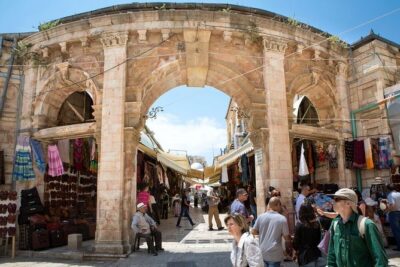
The itinerary breaks it down with stops including the Jewish Quarter and the Byzantine Cardo, the Christian Quarter, and then the Muslim Quarter with bazaar walking. You also pass through different street textures and architectural styles, which helps you understand Jerusalem is not one single scene. It is many overlapping neighborhoods.
A common complaint with Old City walking tours is too much time in one area. The Jewish Quarter segment is listed around 40 minutes, and it can dominate your overall impression. If your priority is Christian sites, you still get the Via Dolorosa route and the Church of the Holy Sepulchre later, but you should know the day’s flow is not perfectly balanced for every interest.
Western Wall Visit: Short, but Usually the Most Powerful
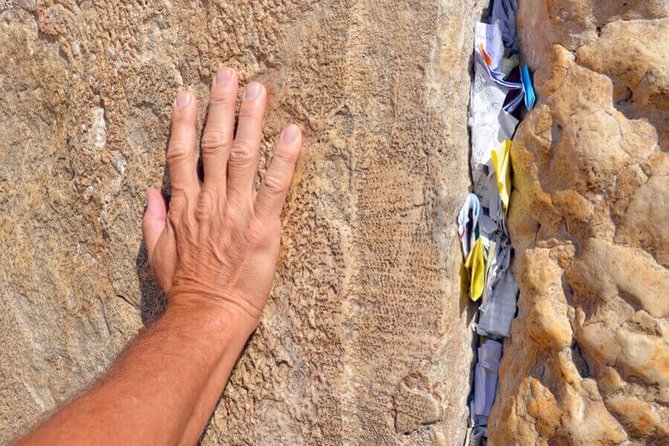
The stop at the Western Wall is listed as 20 minutes. That is brief, but it is usually enough to get you to the wall area, absorb the setting, and take a few minutes for reflection or photos if allowed.
What makes this stop meaningful is that it is not just a sight. It is a living place with visitors coming for prayer and history at the same time. In a day packed with movement, a focused window helps keep the experience from turning into a rush-through.
If you have mobility limits, this is one place where your best strategy is to pace your time and avoid sprinting. You want to enjoy the moment, not just reach it.
Via Dolorosa and the Stations of the Cross: Expect Crowd Energy
The Via Dolorosa segment is around 40 minutes, framed around the stations of the cross while retracing the steps toward Calvary and the Church of the Holy Sepulchre. This portion is where you feel the “day tour” energy most strongly, because the street is active and the route overlaps with lots of foot traffic.
You also get the Christian Quarter walk that leads into this. So you will be switching between narrow lanes, shopfronts, and heavier crowd zones. If you dislike crowds, it helps to keep your goal simple: watch the route, enjoy the atmosphere, and let the guide handle the navigation.
A practical tip: wear shoes that work on uneven stone. Some of the walking is on cobbles, and a full day like this can turn “only 2 to 3 miles” into sore feet faster than you expect.
Church of the Holy Sepulchre: Why 30 Minutes Feels Like a Lot
The Church of the Holy Sepulchre is allotted about 30 minutes. This is the biggest “time pressure” spot in the whole itinerary because the church is famous and crowded. Lines and slow movement inside can eat minutes quickly, even if your guide is on top of the schedule.
What you should do with your time is plan for the key areas you want to see, not for a full architectural tour. Since the tour route includes moving through the church area linked with crucifixion and burial sites, you may find yourself in a bottleneck. In that case, the best move is to stay flexible and let the crowd flow carry you.
If you want a deeper, longer visit, you’ll likely need a separate trip without strict timing. But if your goal is to stand in the right place and understand the significance, 30 minutes can work well if you stay focused.
Dead Sea Arrival: Mud Treatment and the Sulphur Rinse
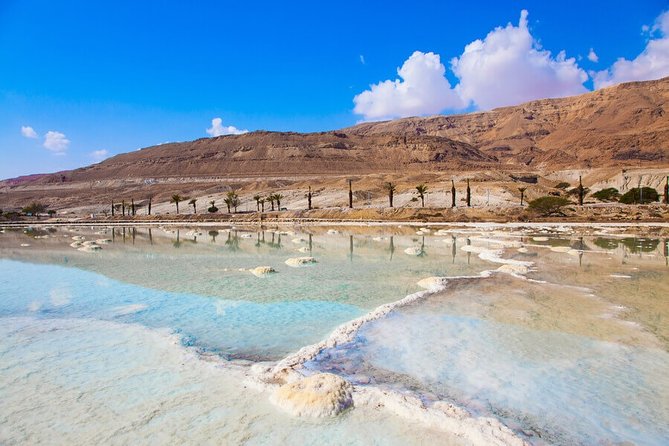
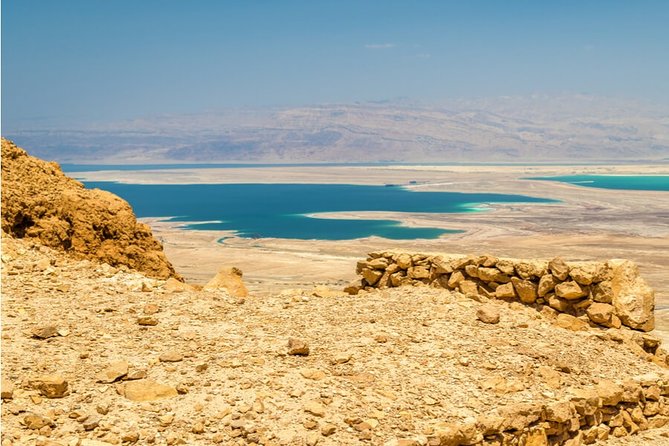
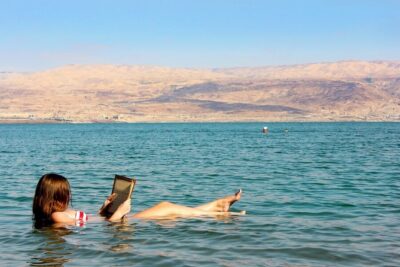
When you reach the Dead Sea, the itinerary gives you about 2 hours. That time matters, because the Dead Sea is not just about looking. You change into a swimsuit, apply the mineral-rich black mud, rinse it off in a sulphur pool, and then you float or swim.
This sequence is the core of the Dead Sea experience. Mud is messy and funny, in the best way, and it helps make the swim feel like an actual treatment rather than a quick dip. The rinse step is also practical because you do not want to walk around with mud drying on you.
One more thing you should take seriously: Dead Sea water is salty, and it is not designed for contacts and casual splashes. Bring sun protection, and if you wear glasses or contacts, consider what you will do before you go in.
What to Bring So You Enjoy the Dead Sea Portion
The tour recommends hats, bathing suits, towels, and sun protection. In real life, you should also think about dry clothes and footwear you can use around poolside areas. One practical add-on is something easy to wear afterward so you are not scrambling for towels while your clothes are drying in a warm breeze.
For the Jerusalem portion, the dress code requires knees and shoulders covered in places of worship and selected museums. Shorts are a no. If you plan to be comfortable, use lightweight layers that also meet the rule.
Also pack water if you can. Food and drinks are not included, and a long day with a mix of sun and walking means you do not want to wait until you feel thirsty.
Price, Coach Comfort, and What Costs Extra
The headline price is $106 per person, with hotel pickup and drop-off, a professional guide, air-conditioned vehicle, and entrance fees included. For a full-day plan with both Jerusalem Old City entry points and a Dead Sea treatment block, that is a reasonable structure.
What costs extra is straightforward: food and drinks. So you should budget for lunch during the Jerusalem portion and for snacks and water during the day. If you have specific dietary needs, plan ahead so you do not end up stuck choosing whatever is easiest at the scheduled stop.
There are also “human reality” costs that are not on your receipt: time spent in queues and crowds, plus the energy drain of walking. This tour is priced like a highlights day, so you should treat it that way. If you want to slow down, the value changes because you may start adding your own extra time or repeat visits.
Guides Make the Difference, From Itamar to Zahi
A day like this lives or dies on the guide. Many of the best experiences described in feedback highlight guides with strong, clear storytelling and good energy. Names that show up in past days include Itamar, Abishai, Amit, Norbert, and Zahi, and you can tell a lot from how they shaped the pacing.
What I’d take from that as your decision tool is simple: look for a tour where the guide focuses on both context and flow. You want explanations that help you “see” what you are standing in front of, and you want someone who keeps the group moving without losing people.
If you join a tour where pickup and timing are slightly messy, it becomes harder to enjoy the day. That is not a deal-breaker for everyone, but if you are the type who hates being late or separated from your group, confirm pickup details early and arrive at the designated meeting point with buffer time.
Schedule Reality: When One Day Feels Tight
This is a 10-hour day, and the Old City portion includes multiple walking segments. That means you will often feel like you are constantly transitioning from one zone to the next. Some people enjoy that structure because it maximizes “see everything.” Others find they want more time in the places that pull at them most.
The Church of the Holy Sepulchre and the Western Wall are time-boxed, and Via Dolorosa is busy. Also, food and shopping stops can happen during the day, and those can feel less relevant if you were hoping for full freedom.
My practical advice: decide in advance what your top two priorities are, then be ready to accept you might not get a long deep visit to every site. If your priorities are very specific, book a second, shorter tour later so you are not chasing every detail.
Who This Tour Is For, and Who Should Consider a Different Plan
This is a solid fit if you want one guided day that covers Jerusalem’s major holy sites and then gives you a real Dead Sea floating experience. It is especially good for first-timers who feel overwhelmed by where to start and what to connect to what.
It can also work for families with older kids because the tour is structured, and the coach reduces transit stress. Just note the tour is not suitable for children under age 4.
If you are religiously observant and want quiet time, or if you hate crowds and want extra time to sit with places, you may feel rushed. In that case, I’d rather see you do a smaller, more focused Jerusalem-only day, and then pair it with a separate Dead Sea outing.
Should You Book This Jerusalem and Dead Sea Tour?
Book it if you want a managed highlights day, you value hotel pickup and a guided route through Old City sites, and you want actual Dead Sea mud and floating time. At $106 with transport, guide, entrance fees, and a clear Dead Sea block, the value is strong for people who do not want to plan multiple logistics.
Skip it or adjust your expectations if you hate strict timing, you want lots of independent wandering in the Old City, or you need lots of time inside the most crowded church spaces. You can still enjoy the major landmarks, but this is not a slow, reflective day.
If you do book, your best move is practical: wear the right clothes for worship sites, pack Dead Sea gear, and keep your schedule priorities simple. With that approach, you will leave with the feeling that you actually “did” both destinations, not just passed through them.
FAQ
What is the duration of the Jerusalem and Dead Sea tour?
The tour runs for about 10 hours.
Is hotel pickup and drop-off included?
Yes. The tour includes hotel pickup and drop-off.
How much time do you get at the Dead Sea?
You get about 2 hours at the Dead Sea, including changing into a swimsuit and time for mud and floating.
Are entrance fees included?
Yes. Entrance fees are included in the tour price.
What should I wear for the religious sites?
A moderate dress code is required. Keep knees and shoulders covered, and avoid shorts to reduce the risk of refused entry.
Is food included?
No. Food and drinks are not included, so plan to buy meals during the Jerusalem portion of the day.
Other Tours We Have Reviewed in Israel
- From Jerusalem: Masada & Dead Sea Full Day Tour with Pick Up
★ 4.5 · 815 reviews - From Jerusalem: Nazareth and Sea of Galilee Tour
★ 4.5 · 588 reviews - From Jerusalem: Masada&Dead Sea Tour INCLUDING ENTRANCE FEES
★ 4.3 · 392 reviews - Jerusalem: Guided Walking Tour of the Old City
★ 4.7 · 386 reviews
More Israel Tour Reviews
- From Jerusalem: Masada & Dead Sea Full Day Tour with Pick Up
★ 4.5 · 815 reviews - Masada and the Dead Sea Day Trip from Jerusalem
★ 4.5 · 757 reviews - From Jerusalem: Nazareth and Sea of Galilee Tour
★ 4.5 · 588 reviews - Nazareth and the Sea of Galilee Day Trip from Jerusalem
★ 4.5 · 446 reviews
More Days Down at the Dead Sea
- From Jerusalem: Masada & Dead Sea Full Day Tour with Pick Up
★ 4.5 · 815 reviews - Masada and the Dead Sea Day Trip from Jerusalem
★ 4.5 · 757 reviews - From Jerusalem: Masada&Dead Sea Tour INCLUDING ENTRANCE FEES
★ 4.3 · 392 reviews - Masada, Ein Gedi and The Dead Sea from Jerusalem
★ 4.0 · 267 reviews
Recently Added Israel Tour Reviews
- jerusalem classic tour★ 5.0 · 3 reviews
- Private Walking Tour in Jerusalem’s Old City★ 5.0 · 3 reviews
- Private Tour Bethlehem and the Dead Sea★ 5.0 · 3 reviews
- Jerusalem Temple Mount & Dome of the Rock★ 4.5 · 3 reviews
- Jerusalem and the Dead Sea★ 5.0 · 3 reviews
The Dead Sea, compared.
 ★ 4.5From Tel Aviv: Masada & Dead Sea Full Day Tour with Pick UpFrom $1171,496 reviews
 ★ 4.5Masada and the Dead Sea Day Trip from Tel AvivFrom $1201,014 reviews
 ★ 4.0Tel Aviv: Jerusalem, Bethlehem & Dead SeaFrom $109881 reviews
 ★ 4.5From Jerusalem: Masada & Dead Sea Full Day Tour with Pick UpFrom $111815 reviews
 ★ 4.5Masada and the Dead Sea Day Trip from JerusalemFrom $111757 reviews
 ★ 4.2From Tel Aviv: Masada, Ein Gedi & Dead Sea TourFrom $99705 reviews
 ★ 4.5Jerusalem and the Dead Sea from Tel AvivFrom $133444 reviews
 ★ 4.3From Jerusalem: Masada&Dead Sea Tour INCLUDING ENTRANCE FEESFrom $111392 reviews
Lists this tour appears in