
REVIEW · JERUSALEM OLD CITY
Jerusalem: 3–Hour Old City Tour in French
Jerusalem’s Old City has layers that you can actually walk through. This 3-hour tour does that with a clear storyline across the four quarters and the three religions, starting at Jaffa Gate and ending at the Church of St Sepulchre. I especially like the way it connects major sites with the stories people remember, including King Hezekiah and the prophet Isaiah, and the Roman Cardo experience with Publius Aelius Hadrianus. One thing to consider: it is a walking route on uneven Old City streets, so you’ll want to show up ready for solid footwork.
The best part for planning is how focused it feels for the time. You get a guided flow from Mamilla area to the starting point, then through Armenian, Jewish, and Roman-era highlights, before finishing at the church tied to the Passion story. The guide is live and languages available are French, English, and Italian, with a private-group format that keeps questions from getting lost in the crowd.
Value-wise, it’s priced at $82 per person for a 3-hour guided walk, and entrance fees are not included. For many people, that means the ticket is really paying for orientation and interpretation, not for paying to step inside museums or special sites.
In This Review
- Key things that make this tour worth your time
- Starting at Jaffa Gate, then letting the Old City guide your feet
- Armenian Quarter first: a smart way to read Jerusalem’s layers
- Following the city walls of Suleiman the Magnificent
- Through the Jewish Quarter toward the Western Wall
- The Roman Cardo with Publius Aelius Hadrianus
- Hezekiah and Isaiah: turning Bible stories into a walk you can follow
- Islamic-era Jerusalem: seeing devotion in an ongoing city
- Walking the path to the Church of St Sepulchre and the Passion story
- Price and value for an organized 3-hour Old City loop ($82 per person)
- What to bring and how to survive Old City walking
- Best fit: who this Old City tour suits
- Should you book this Jerusalem Old City tour?
- FAQ
- Where does the tour start?
- Where is the meeting point?
- How long is the tour?
- What languages are available for the live guide?
- Is the tour a private group?
- What is included in the price?
- Are parks and museum entrance fees included?
- What should I bring?
- Can I cancel for a full refund?
- Is there a pay-later option?
Key things that make this tour worth your time
- Jaffa Gate start with immediate Old City orientation, so the route feels like a path not a maze
- Armenian Quarter first, which sets the tone for how the Old City keeps stacking eras
- Roman Cardo with Publius Aelius Hadrianus, a smart way to read Jerusalem as a city of empires
- Hezekiah and Isaiah as street-level storytelling, not a distant Bible lesson
- Western Wall and the Islamic era stop, so you see how devotion fits into everyday Old City life
- Church of St Sepulchre finish, ending where the Passion story becomes physically real
Inside the walls: other Old City routes we have reviewed
Starting at Jaffa Gate, then letting the Old City guide your feet
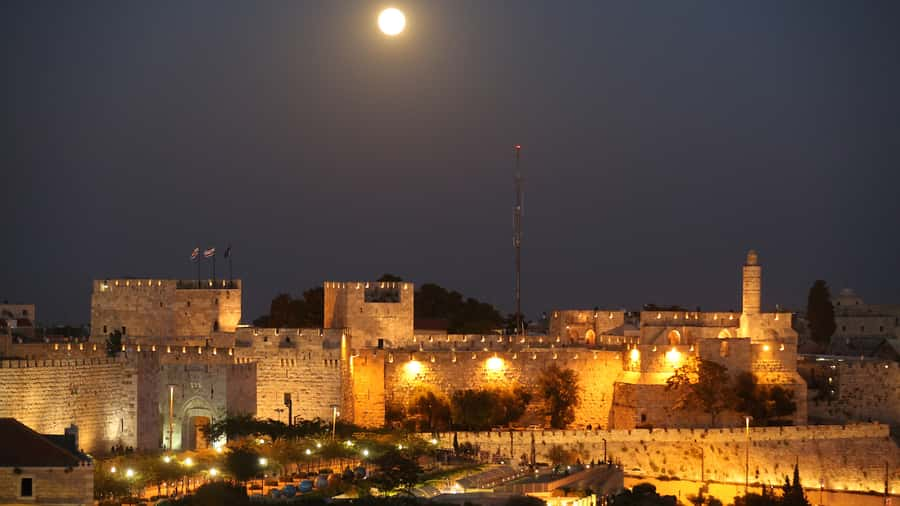
The tour begins at the Jaffa Gate, and that matters more than you might think. Most first-time visitors walk into the Old City and feel instantly overwhelmed. Starting at a major gate gives you a fixed reference point, so you can understand where things are relative to each other as you go.
You’ll also start from the Mamilla Shopping area entrance for the meeting point. Mamilla is a practical place to gather, and it helps the tour transition quickly from outside the walls to the inside streets once you’re ready.
This is a walking tour, and the good news is that it’s kept to 3 hours. That’s enough time to connect multiple quarters and religions without turning the day into a forced march. The not-so-glamorous note is that Old City streets are not made for lazy strolling. Bring good shoes, and plan to keep moving.
Armenian Quarter first: a smart way to read Jerusalem’s layers
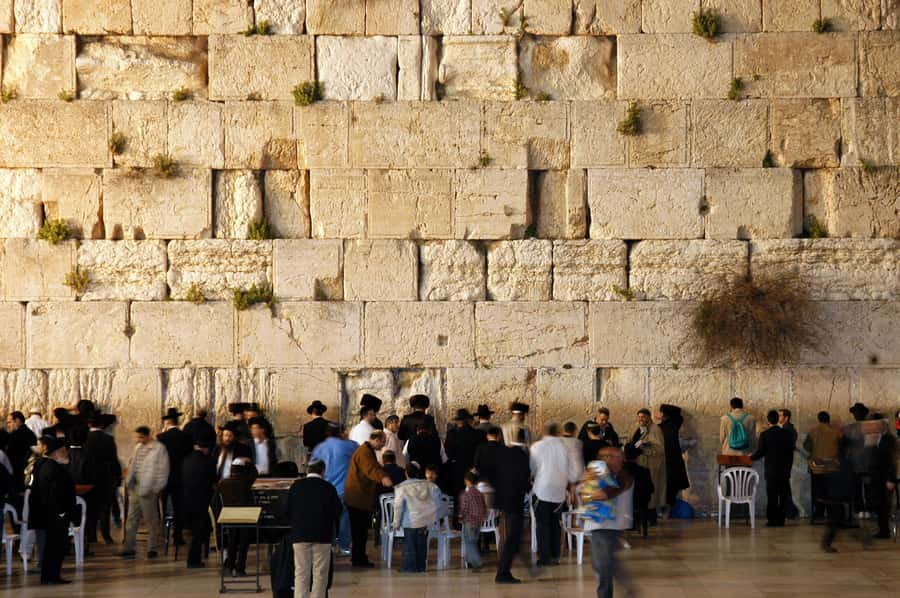
The route kicks off in the Armenian Quarter, which is a great choice for people who want a calm, grounded start. It helps you ease into the Old City before jumping straight into the busiest religious core.
From there, the tour builds forward in time and meaning. The Armenian Quarter stop acts like a chapter opening: you see one community’s presence, then you keep walking into the next era with better context. Even if you already know the big names, starting here usually makes the rest feel less random.
Also, this part of the experience is where the guide’s role matters. A strong guide does not just point. They translate. The guide for this tour is Florent, and past participants praised his explanations as clear and well taught. If you like your sightseeing with actual “why this matters,” that kind of guidance is exactly what you want early on.
Following the city walls of Suleiman the Magnificent
One highlight is the chance to discover the city walls of Suleiman the Magnificent. Walking near or along parts of the walls gives you a sense of scale that you miss when you’re only focused on doorways and shrines.
Walls change how you perceive the Old City. They make it feel like a protected world with boundaries, not a loose collection of buildings. And when you later hit the quarters and major religious sites, you’ll likely feel more organized in your own mind.
This is also one of those moments where weather can affect comfort. Even a short pause under open sky can feel different depending on the season. The tour recommends hats and water, which is very practical advice for Jerusalem’s bright sun and long sightlines.
More Israeli cities, walked end to end
Through the Jewish Quarter toward the Western Wall
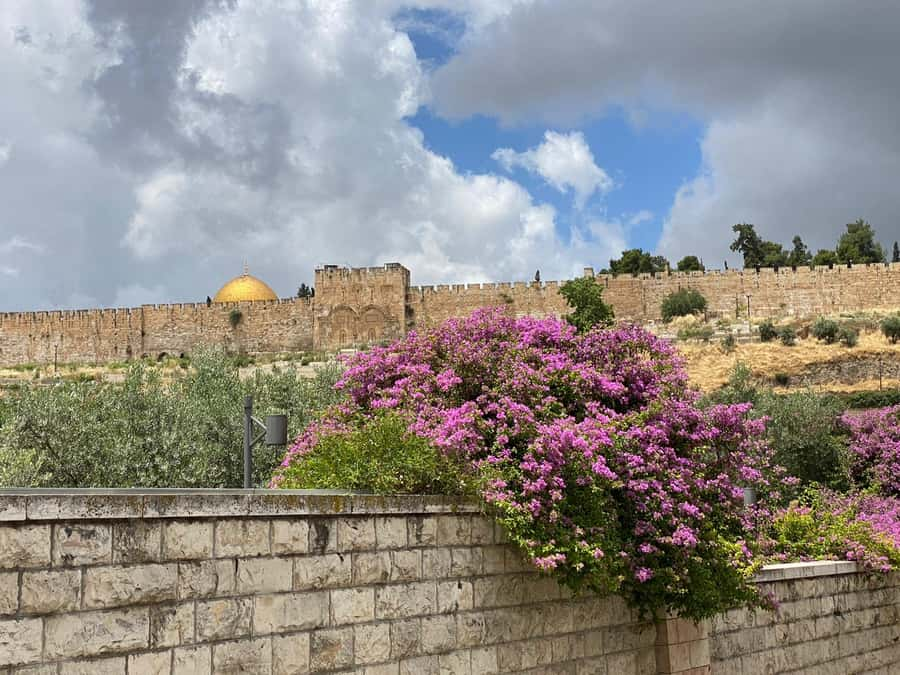
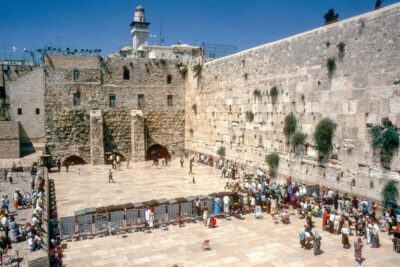
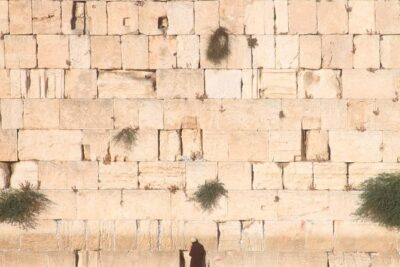
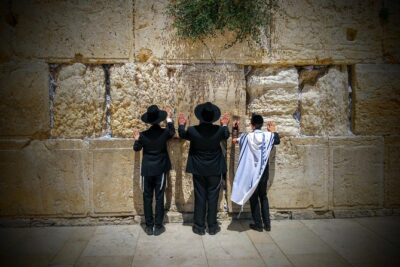
Next up is the Jewish Quarter, with the Western Wall in the mix. This is a moment that many people treat like a checkmark site, but on a good guided walk it becomes something else: a lived religious space you can read through behavior, not just architecture.
The tour’s structure helps here because you already learned to see eras in sequence. The Western Wall stop lands more clearly once you’ve already understood that you’re moving through different community layers and historical periods, not just bouncing from landmark to landmark.
One planning tip: expect the area to feel busy and emotionally charged. If you’re the type who likes space to pause and think, go a touch slower while your group is near key viewpoints. Your photos, your breath, and your attention will thank you.
The Roman Cardo with Publius Aelius Hadrianus
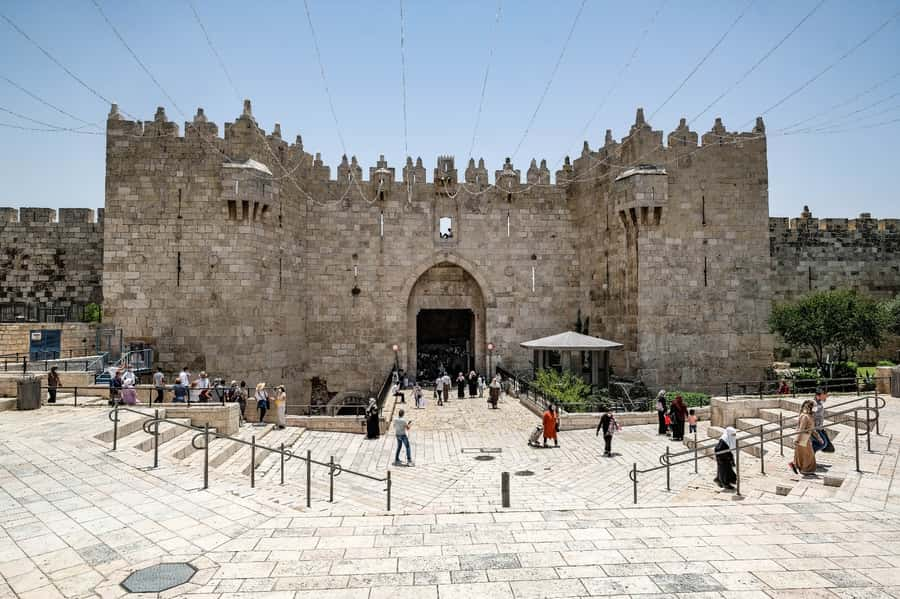
A standout theme is the Roman period, especially by following the Roman Cardo with Publius Aelius Hadrianus. This is not the usual “stand and look at old stones” approach. It’s more like using the street itself as a guide to the past.
The Cardo concept is powerful because it turns history into movement. You can physically imagine what “main thoroughfare” meant when the city’s layout followed imperial planning. When a tour does this well, you stop seeing ruins as decoration and start seeing them as infrastructure.
If you’re into how cities function, this Roman section is likely your favorite. Even if you are not a history nerd, the benefit is simple: you get to understand Jerusalem as a place where roads, power, and religion kept overlapping.
Hezekiah and Isaiah: turning Bible stories into a walk you can follow
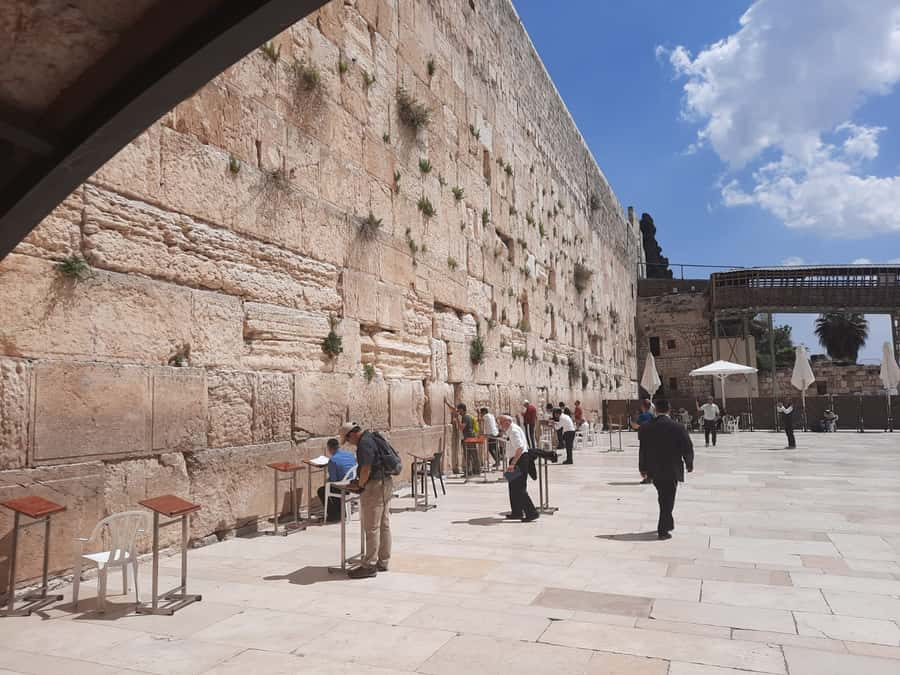
Another highlight is listening to the story of King Hezekiah and the prophet Isaiah. This kind of stop can either feel vague or feel vivid. The difference is the guide’s teaching style, and the feedback for Florent points to strong clarity and pedagogy.
This stop is especially valuable because the Old City can be visually overwhelming. When you get a story threaded through the route, your brain has something to hold onto. You start connecting why certain names and religious references show up where they do.
Think of it as mental scaffolding. Instead of memorizing facts, you’re building a narrative spine. That makes it easier to remember your day later, and easier to recognize what you’re seeing while you’re there.
Islamic-era Jerusalem: seeing devotion in an ongoing city
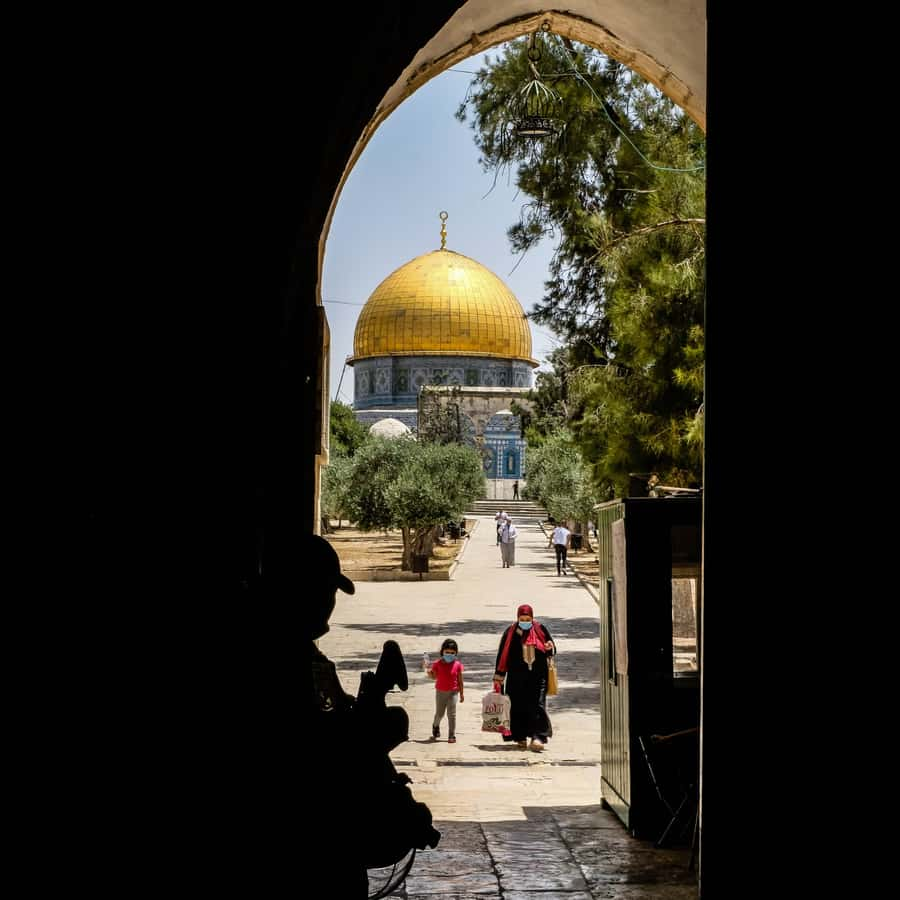
The tour also includes the Islamic era of Jerusalem. That matters because the Old City is not a museum. It is active. The guide’s job here is to help you notice continuity, not just change.
You’ll walk through sections where modern life and older sacred significance overlap. This is where your understanding becomes more human scale. You see that “history” here is not only dates. It is also daily routines, religious practice, and how people inhabit ancient spaces.
If you want a tour that respects more than one tradition, this is one of the reasons this route works. It gives you a structured way to move between religious contexts without turning it into a competition.
Walking the path to the Church of St Sepulchre and the Passion story
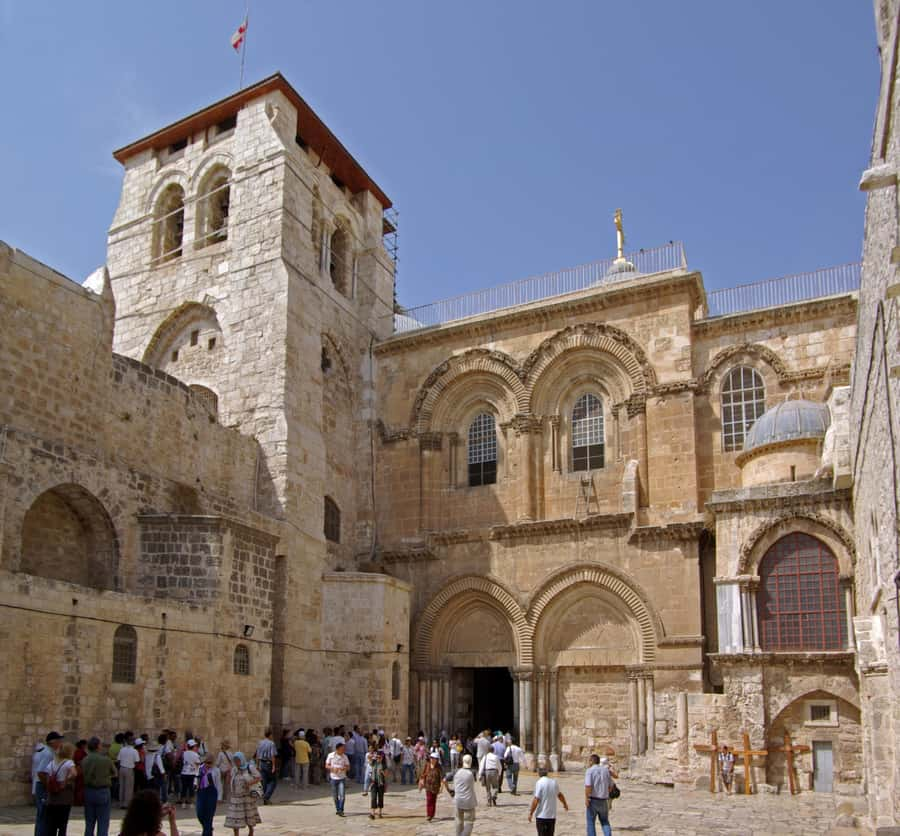
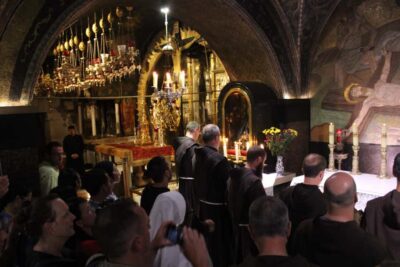
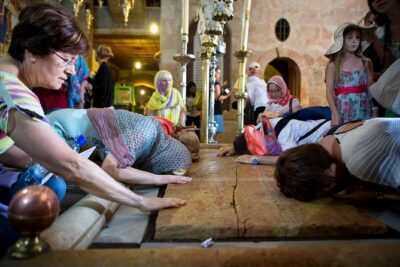
The tour ends at the Church of St Sepulchre and its story of passion. Ending here makes sense because the route has been building toward a major religious destination connected to Christian tradition.
Finishing at the church can also shift the mood. Earlier in the walk you’re learning Jerusalem as a layered city. At the end, you get a focused setting that many visitors find emotionally powerful.
One practical consideration: because you’re walking through different crowded religious spaces, the last part can feel dense. If you want a moment to truly look and not just move along with the group, plan to slow down near key points. Ask a question while you have space, not when you’re already pressed for time.
Price and value for an organized 3-hour Old City loop ($82 per person)
At $82 per person for 3 hours, you’re paying for guided orientation, interpretation, and a route that connects several major sites without dragging. Entrance fees are not included, so the value is about understanding what you’re seeing, not buying access to paid attractions.
This is a good price point if you:
- want a guided narrative across multiple quarters and religious traditions
- feel like you would get lost on your own
- prefer clear explanations over aimless wandering
It may not be the best fit if you’re only interested in one small cluster of sites and want a do-it-yourself day with no guiding structure. For many first-time Jerusalem visitors, though, paying for the thread through the Old City is often what makes the day feel coherent.
Also, it’s a private group. That’s not just a comfort perk. In a place like the Old City, the ability to ask questions and get direct answers makes the whole experience more rewarding.
What to bring and how to survive Old City walking
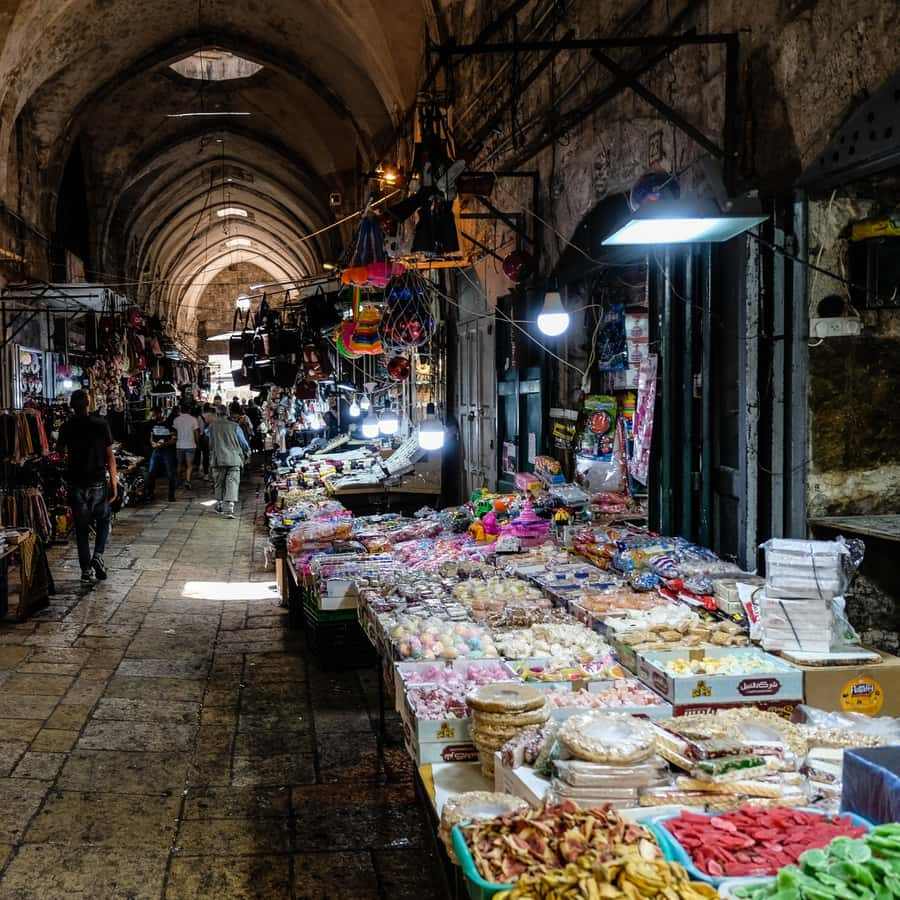
This is an easy part to get wrong, so take the tour’s advice seriously. Bring hats, water, and good walking shoes. Old City surfaces can be uneven, and you’ll be moving for the full 3 hours.
If you’re thinking about rain, you’re not the first person to face it. One past participant specifically noted it went very well even with a bit of rain. That’s a clue that the tour maintains a workable rhythm if conditions aren’t perfect. Still, you’ll be happier if you plan for weather with practical gear.
A simple mindset helps too: treat it like guided walking with pauses for viewpoints and stories, not a sit-down lecture. The best experience happens when you keep your pace steady.
Best fit: who this Old City tour suits
This tour fits best if you want:
- a guided Old City route that connects Armenian, Jewish, Roman, and Christian themes
- storytelling and explanations that help you understand what you’re seeing
- a French-speaking option (plus English and Italian)
- a private group setting where you can ask questions
It’s also a good choice for people who want to cover major highlights efficiently. In a 3-hour window, you’ll see a lot, and the route is designed to keep that many stops from feeling chaotic.
If you’re the kind of traveler who enjoys religious and historical layers but hates feeling like you need a guidebook in your lap, this is a strong match.
Should you book this Jerusalem Old City tour?
I’d book it if you want a structured, story-driven walk that helps you understand Jerusalem’s different eras without turning the day into a lecture or a sprint. The route covers the major quarters and landmarks you’re likely planning your trip around, and the guidance from Florent has a clear track record for explanations that are easy to follow.
Skip it only if you already feel fully confident navigating the Old City on your own, and you’re comfortable building your own narrative across religious sites. Otherwise, this tour’s value is in making sense of a place that can quickly feel like too much.
If you do book it, show up with hats, water, and solid shoes. Then let the guide’s storyline do the heavy lifting.
FAQ
Where does the tour start?
The tour starts from the Jaffa Gate.
Where is the meeting point?
Meet at the Mamilla Shopping area entrance.
How long is the tour?
It lasts 3 hours.
What languages are available for the live guide?
The live guide is available in French, English, and Italian.
Is the tour a private group?
Yes, it is listed as a private group.
What is included in the price?
A tour guide is included.
Are parks and museum entrance fees included?
No. Parcs and museum entrance fees are not included.
What should I bring?
The tour recommends hats, water, and good walking shoes.
Can I cancel for a full refund?
Yes, you can cancel up to 24 hours in advance for a full refund.
Is there a pay-later option?
Yes, there is a reserve now and pay later option.
Other Tours We Have Reviewed in Israel
- From Jerusalem: Masada & Dead Sea Full Day Tour with Pick Up
★ 4.5 · 815 reviews - From Jerusalem: Nazareth and Sea of Galilee Tour
★ 4.5 · 588 reviews - From Jerusalem: Masada&Dead Sea Tour INCLUDING ENTRANCE FEES
★ 4.3 · 392 reviews - Jerusalem: Guided Walking Tour of the Old City
★ 4.7 · 386 reviews
More Israel Tour Reviews
- From Jerusalem: Masada & Dead Sea Full Day Tour with Pick Up
★ 4.5 · 815 reviews - Masada and the Dead Sea Day Trip from Jerusalem
★ 4.5 · 757 reviews - From Jerusalem: Nazareth and Sea of Galilee Tour
★ 4.5 · 588 reviews - Nazareth and the Sea of Galilee Day Trip from Jerusalem
★ 4.5 · 446 reviews
More Ways Through the Old City
- Jerusalem: Guided Walking Tour of the Old City
★ 4.7 · 386 reviews - Old and New Jerusalem Full-Day Tour
★ 4.0 · 273 reviews - From Jerusalem Small group tour Old&New City ENTRY FEES INCL
★ 4.0 · 135 reviews - Best seller! Jerusalem old city four quarters tour
★ 5.0 · 123 reviews
Recently Added Israel Tour Reviews
- jerusalem classic tour★ 5.0 · 3 reviews
- Private Walking Tour in Jerusalem’s Old City★ 5.0 · 3 reviews
- Private Tour Bethlehem and the Dead Sea★ 5.0 · 3 reviews
- Jerusalem Temple Mount & Dome of the Rock★ 4.5 · 3 reviews
- Jerusalem and the Dead Sea★ 5.0 · 3 reviews
Jerusalem Old City, compared.
 ★ 4.2From Tel Aviv: Jerusalem Old & New City Bus TourFrom $95824 reviews
 ★ 4.4From Tel Aviv: Jerusalem Old City & Dead Sea Guided Day TourFrom $133389 reviews
 ★ 4.7Jerusalem: Guided Walking Tour of the Old CityFrom $57386 reviews
 ★ 4.5Old and New Jerusalem Day Trip from Tel AvivFrom $95296 reviews
 ★ 4.0Old and New Jerusalem Full-Day TourFrom $75273 reviews
 ★ 4.0From Jerusalem Small group tour Old&New City ENTRY FEES INCLFrom $97135 reviews
 ★ 5.0Best seller! Jerusalem old city four quarters tourFrom $450123 reviews
 ★ 5.0Private Tour Jerusalem Old CityFrom $500118 reviews
Lists this tour appears in