
REVIEW · JERUSALEM CITY TOURS
JERUSALEM private tour with ELAD VAZANA – Life in Israel & Palestine Then & Now
Jerusalem can feel loud, crowded, and complicated. This private tour with Elad Vazana makes it calmer and clearer, with a balanced, facts-and-timelines approach and flexible pacing that lets you ask real questions. The main catch: the Dome of the Rock can be closed on Fridays, Saturdays, and some Muslim holidays, so your day may shift.
I like tours best when they help you understand the place you are physically standing in. Here, you get a smart walk through the Old City’s biggest religious sites and everyday neighborhoods, not just photo stops. One other consideration: you’ll be moving at a steady walking pace for 6 to 7 hours, so comfortable shoes and modest clothing really matter.
In This Review
- Key Highlights to Know Before You Go
- Why This Private Jerusalem Tour Works Better Than Racing the Crowd
- Jaffa Gate Orientation: Your 20-Minute Jump Start
- Dome of the Rock at Temple Mount: History, Sensitivity, and Timing
- Western Wall: Significance, Prayer, and a Very Personal Moment
- Jewish Quarter: Customs, Religious Objects, and Biblical Stories
- Via Dolorosa to the Holy Sepulchre: Maze Navigation Made Easier
- Muslim Quarter, Mount Zion, and the Tomb of King David
- The Cardo and Muristan Market: Roman Streets and Lunch Reality
- Christian Quarter Walk and the End Back at Jaffa Gate
- Price and Value: Is $450 a Good Deal?
- Who This Tour Fits Best (And Who Might Want to Skip)
- Should You Book This Private Jerusalem Tour?
- FAQ
- How long is the Jerusalem private tour?
- Where does the tour meet and end?
- Is this tour private, and how many people are in a group?
- Are admission tickets included for the stops?
- Is lunch included in the price?
- Is the tour canceled for Dome of the Rock closure days?
Key Highlights to Know Before You Go
- Small-group privacy (up to 12) means you can slow down when you want to
- Elad Vazana’s then-and-now framing helps you connect current life to older layers of Jerusalem
- The Western Wall moment includes a chance to leave a secret written prayer in the wall’s cracks
- Holy-site etiquette is built in with a reminder to dress modestly and plan for closures
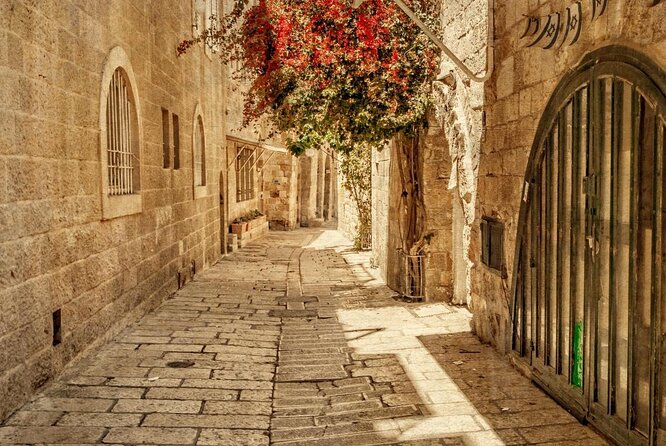
- Old City quarters on foot give you the feel of different cultures, symbols, and daily street life
More of Jerusalem, beyond the Old City gates
Why This Private Jerusalem Tour Works Better Than Racing the Crowd
If you have ever tried to see Jerusalem on a normal group schedule, you already know the problem. You spend your time waiting for the next stamp, not paying attention to what you are looking at. This is different because it is private. You move together as a group, but you are not locked into a rush-job script.
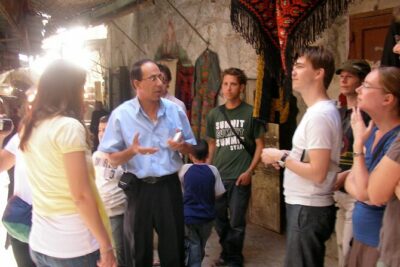
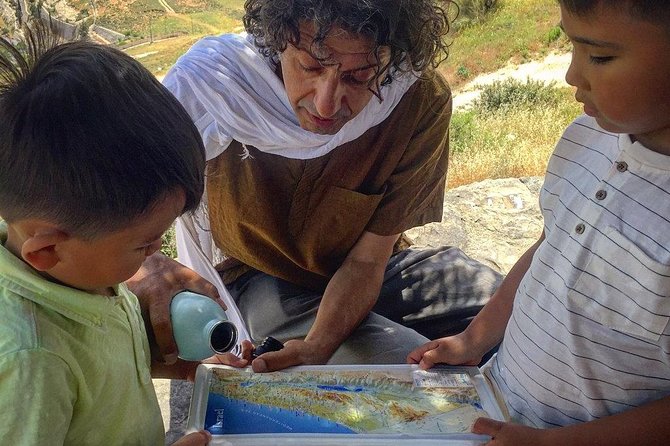
The real win is the way Elad Vazana frames the city: life in Israel and Palestine then and now, with stories from different sides and a focus on timelines instead of yelling matches. You can ask questions and actually get context, not just a list of monuments. For a city where people have strong feelings, that kind of calm explanation is priceless.
The format also supports a more human pace. You will walk, but you can pause for conversations, and you are not stuck listening to someone else’s pace for hours.
Jaffa Gate Orientation: Your 20-Minute Jump Start
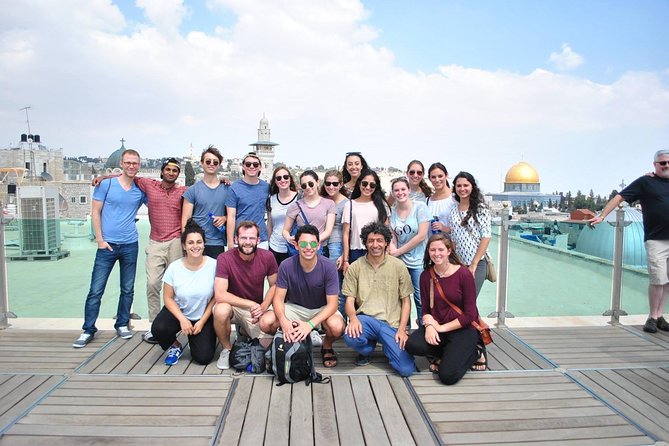
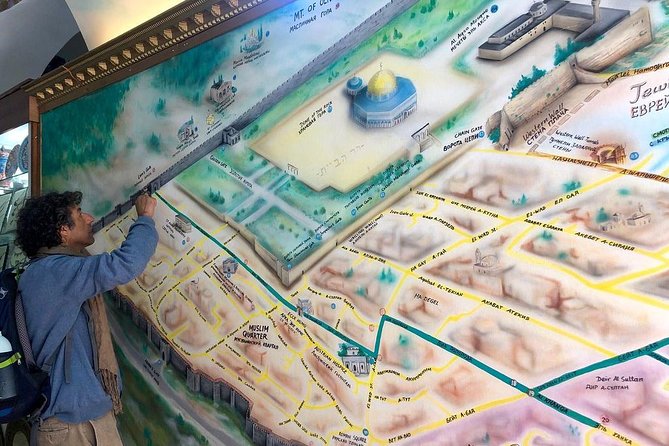
You start at Jaffa Gate hostel, near Jaffa Gate. The first stop is Jaffa Gate itself, where you get oriented to the ancient wall of Jerusalem. That sounds basic, but it matters. The Old City feels like a maze until someone helps you connect streets, walls, and entrances to the bigger story.
You get about 20 minutes here, and since admission is free, you can focus on learning rather than paperwork. This is also a good time to set expectations for the day: you are about to visit sensitive places, lots of narrow streets, and religious sites with rules.
Practical tip: Jerusalem mornings can be bright. Bring a hat and plan for water, especially if you run warm.
Dome of the Rock at Temple Mount: History, Sensitivity, and Timing
Next up is the Dome of the Rock. This stop is designed around understanding why the site is so sensitive and why conflict surrounds it. That is not a throwaway line. In Jerusalem, meaning is attached to stones, and people treat those stones as identity.
You get about 1 hour 30 minutes, and admission is listed as free. You also need to know the timing reality: the Dome of the Rock is closed on Fridays, Saturdays, and Muslim holidays. If your trip lands on one of those days, you might find the visit doesn’t happen as described, or the plan could shift.
How to handle that as a visitor:
- If your dates include Friday or Saturday, expect some uncertainty.
- Keep your expectations flexible and lean into the guide’s explanations about what you can see and why access works the way it does.
Also remember the clothing rule you will keep seeing throughout the day: modest clothing is required for holy sites. Plan your outfit so you can comfortably comply, even while walking.
Other West Bank day trips leaving from Jerusalem

Western Wall: Significance, Prayer, and a Very Personal Moment
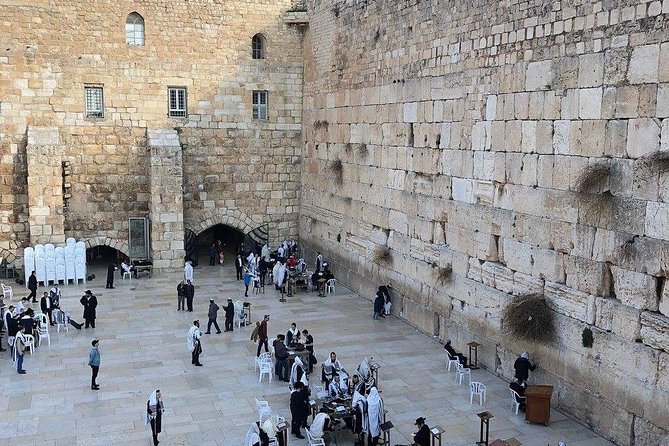
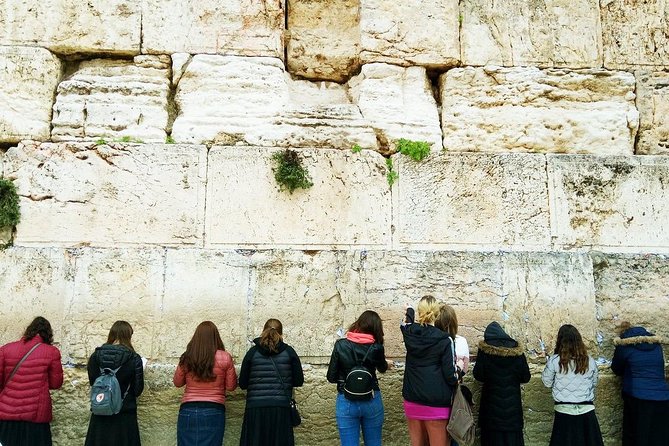
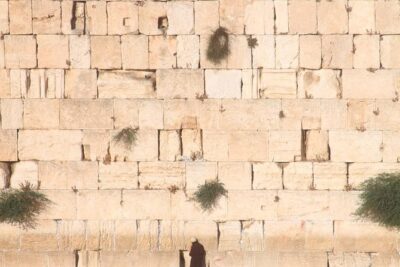
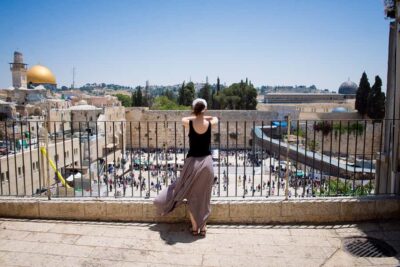
The Western Wall is next, with about 30 minutes of focus. This is not just a viewpoint stop. You learn about its history and why it is significant to Jewish people, then you have time to approach the Wall.
One detail I really value here is the chance to leave a secret written prayer in the Wall’s cracks. That turns the visit from sightseeing into participation. If that ritual is meaningful to you, come ready with what you might want to write or bring. If you do not plan to leave a prayer, you can still treat the experience as a moment of listening and observing.
Admission is free, so you can spend your time here paying attention rather than calculating costs.
Jewish Quarter: Customs, Religious Objects, and Biblical Stories
After the Western Wall, you head into the Jewish Quarter. You’ll spend about 40 minutes here, and admission is also listed as free.
This part of the tour is about seeing everyday meaning. You look at customs of Judaism, religious items, artwork, and stories tied to the Bible. The best way to understand it is to think less about one landmark and more about a neighborhood where belief shows up in details.
What I like about this stop is that it makes the Old City feel lived-in, not staged. You are not just ticking boxes. You are seeing how symbols and objects carry stories, and how those stories shape daily life.
Possible drawback: because it’s a quarter, the time can feel “less monumental” than the major shrines. If you only want big-ticket religious architecture, this could feel slower. If you like texture and context, it will land well.
Via Dolorosa to the Holy Sepulchre: Maze Navigation Made Easier
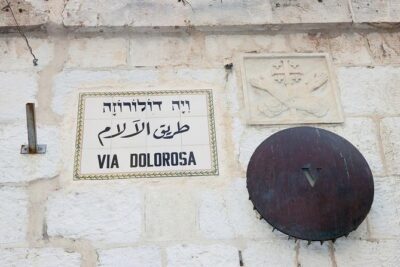
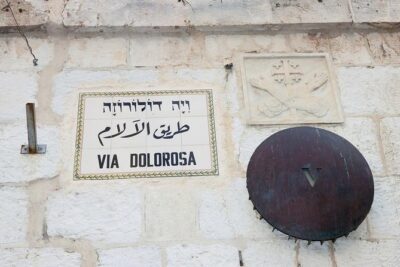
Next comes the Way of the Cross, Via Dolorosa, with an optional walk of about 20 minutes. Then you move to the Church of the Holy Sepulchre.
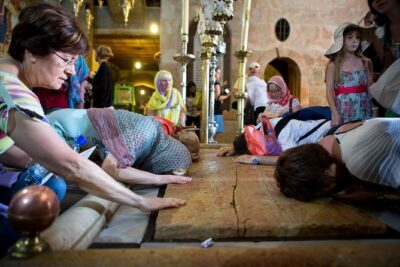
Here’s the key benefit: the Church is complex, with around 20 chapels, and it can be confusing without a guide. You get about 1 hour inside, with the help of Elad explaining the stories behind different parts of the church. That kind of narrative helps you stop feeling lost among crowds and walls.
Admission is listed as free for this experience. (In practice, religious sites can have internal lines and security patterns, but the tour itself is structured so you are not waiting around to figure things out.)
A balanced note: this church is sacred to many Christians, and people experience it differently. The best approach is to treat it like a place where history and devotion overlap. Slow your pace and let the guide’s stories connect the spaces.
Muslim Quarter, Mount Zion, and the Tomb of King David
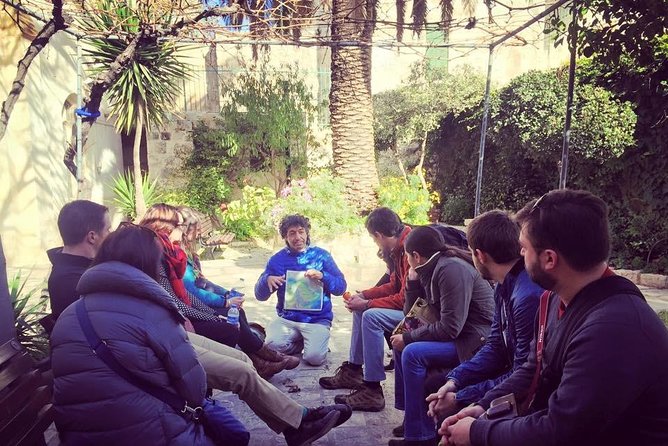
You then visit the Muslim Quarter for about 1 hour. This stop is built around Islam, culture, symbols, dress, architecture, and the codes people use in Jerusalem. That is useful because it gives you a framework for reading what you see.
You also visit Mount Zion, with the Tomb of King David and an optional look at the Room of the Last Supper. You get about 30 minutes here.
This combination works because Mount Zion helps broaden the story. It connects major religious associations to a specific geography within the city. If your main interest is the “living geography” of Jerusalem, you will appreciate this.
Rule of thumb: expect more stairs and more uneven footing in older areas. Move with care. Comfortable walking shoes are not optional here.
The Cardo and Muristan Market: Roman Streets and Lunch Reality
One of my favorite stops in the day is the Cardo. You learn about the Cardo as a Roman street laid out almost 2,000 years ago, and today it functions like a shopping area for Jewish art and religious items. You spend about 20 minutes here.
This is a great time to reset your brain. You go from religious meanings to urban continuity, where a street layout from centuries ago still shapes how people move and shop. It’s a subtle way to see how Jerusalem layers time.
Then comes Muristan Market for lunch. The tour suggests a great Mediterranean meal like hummus and friends, but lunch is not included in the tour price. You get about 30 minutes here, so this is a practical stop, not a long sit-down.
If you have dietary needs, this is where you’ll want to plan ahead. Since lunch is not included, you’re choosing your own option. Still, the timing works well, because it prevents the whole day from turning into a hangry situation.
Christian Quarter Walk and the End Back at Jaffa Gate
Next is the Christian Quarter, where you walk via the main shopping street. You get about 30 minutes here with admission listed as free.
Then you return to Jaffa Gate to end the tour, about 10 minutes at the final point, again at the meeting area.
What I like about ending where you started is that you are not stuck guessing where you are in the city. By this point, you have a mental map. You can finally see the city as a network rather than disconnected stops.
Price and Value: Is $450 a Good Deal?
The tour costs $450 per group for up to 12 people, and it’s about 6 to 7 hours. That price format can feel high if you think per person. But for private touring, it usually works out better when you split it.
Here’s the only math that matters for value:
- If you have the full group of 12, it’s about $37.50 per person.
- If you have a smaller group, your per-person cost rises.
The value comes from what you get for that spend: a private guide, a long route through multiple quarters, and a more balanced, context-first style guided by Elad Vazana. Also included are coffee and/or tea, plus the guide handles pacing and questions so you are not stuck translating everything yourself.
You are also booking a day where admission is listed as free at each stop, which helps you avoid surprise ticket costs.
If you are traveling solo or as a couple, you might still like it if you prioritize private access and a guide you can question. Just compare it to the cost of a quality group tour plus time costs from crowds.
Who This Tour Fits Best (And Who Might Want to Skip)
This experience is a strong fit if you:
- want private pacing and the ability to ask questions
- care about understanding Jerusalem through then-and-now context
- are comfortable with walking and want to see multiple Old City quarters
It might not be ideal if you:
- only want one or two big religious icons and would rather minimize walking
- are traveling on a schedule where Friday, Saturday, or a Muslim holiday closure would break your expectations for the Dome of the Rock
One more practical note: since modest clothing is required, pack accordingly. It’s easier when your outfit already complies, not when you are trying to fix it mid-day.
Should You Book This Private Jerusalem Tour?
I think this is a very good booking choice if you want Jerusalem explained in a calm, timeline-based way, not as a debate you have to manage yourself. The combination of major sites plus neighborhood context gives you both landmarks and atmosphere. And with a guide like Elad Vazana, the city’s complexity becomes something you can actually hold in your head.
Book it if you like conversation, context, and flexibility. Skip it if you prefer a fast photo checklist or if you cannot tolerate changes tied to sensitive site access, especially around the Dome of the Rock closure days.
FAQ
How long is the Jerusalem private tour?
It runs about 6 to 7 hours (approx.).
Where does the tour meet and end?
It starts at Jaffa Gate hostel in Jerusalem and ends back at the same meeting point.
Is this tour private, and how many people are in a group?
Yes, it is private. Your group only participates, and the group size can be up to 12.
Are admission tickets included for the stops?
Admission tickets are listed as free for the stops on this tour.
Is lunch included in the price?
No. Lunch is not included. There is a lunch stop at Muristan Market, where you can eat Mediterranean local food, like hummus and friends.
Is the tour canceled for Dome of the Rock closure days?
The Dome of the Rock is closed on Fridays, Saturdays, and Muslim holidays, so the stop may not be possible on those days.
More Israel Tour Reviews
- From Jerusalem: Masada & Dead Sea Full Day Tour with Pick Up
★ 4.5 · 815 reviews - Masada and the Dead Sea Day Trip from Jerusalem
★ 4.5 · 757 reviews - From Jerusalem: Nazareth and Sea of Galilee Tour
★ 4.5 · 588 reviews - Nazareth and the Sea of Galilee Day Trip from Jerusalem
★ 4.5 · 446 reviews
Other West Bank Day Trips
- West Bank Tour from Jerusalem
★ 4.5 · 184 reviews - Travel From Jerusalem To Bethlehem and Dead Sea – Daily Group West Bank Tour
★ 5.0 · 129 reviews - Palestine Revealed: 2-Day Private Tour from Jerusalem
★ 5.0 · 110 reviews - West Bank Tour from Jerusalem and Tel-Aviv – Bethlehem & Jericho
★ 5.0 · 6 reviews
Jerusalem, Other Days Out
- Full Day City Tour of Jerusalem
★ 4.1 · 367 reviews - Old and New Jerusalem Full-Day Tour
★ 4.0 · 273 reviews - Jerusalem and Bethlehem Day Tour from Jerusalem
★ 4.5 · 258 reviews - Jerusalem Half-Day Sightseeing Tour
★ 3.9 · 177 reviews
Recently Added Israel Tour Reviews
- jerusalem classic tour★ 5.0 · 3 reviews
- Private Walking Tour in Jerusalem’s Old City★ 5.0 · 3 reviews
- Private Tour Bethlehem and the Dead Sea★ 5.0 · 3 reviews
- Jerusalem Temple Mount & Dome of the Rock★ 4.5 · 3 reviews
- Jerusalem and the Dead Sea★ 5.0 · 3 reviews
Jerusalem City Tours, compared.
 ★ 4.3From Tel Aviv: Jerusalem and Bethlehem Guided Day TripFrom $1181,316 reviews
 ★ 4.0Tel Aviv: Jerusalem, Bethlehem & Dead SeaFrom $109881 reviews
 ★ 4.5Day Tour to Jerusalem and Bethlehem from Tel AvivFrom $121720 reviews
 ★ 4.1Full Day City Tour of JerusalemFrom $75367 reviews
 ★ 4.5Old and New Jerusalem Day Trip from Tel AvivFrom $95296 reviews
 ★ 4.0Old and New Jerusalem Full-Day TourFrom $75273 reviews
 ★ 4.5Jerusalem and Bethlehem Day Tour from JerusalemFrom $106258 reviews
 ★ 3.9Jerusalem Half-Day Sightseeing TourFrom $50177 reviews
Lists this tour appears in