
REVIEW · JERUSALEM CITY TOURS
Christian Jerusalem in Russian
Jerusalem hits you fast here. In this 6-hour Christian Jerusalem tour in Russian, I like the Mount of Olives viewpoint for the big city perspective, and the Gethsemane garden walk for its winding, spiritual feel. One clear consideration: this trip is not recommended for limited mobility, and there are strict clothing rules.
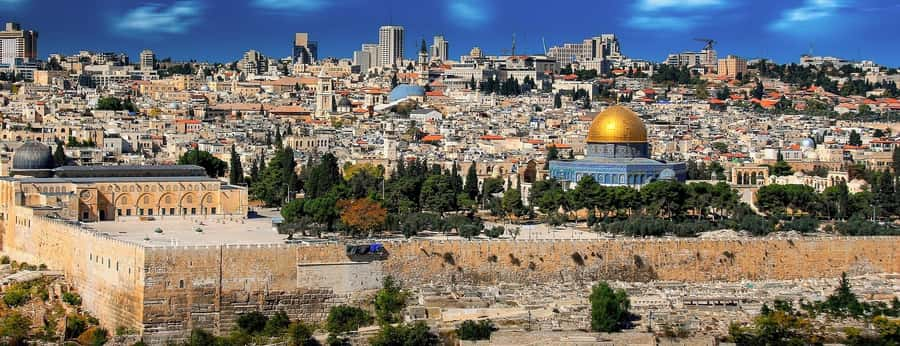
You’ll cover a lot without it turning into a blur. Expect bus transfers between stops, a live Russian-speaking guide, and time in key sites tied to the Last Supper, Via Dolorosa, and the Church of the Holy Sepulcher, plus the Wailing Wall. Just plan ahead since food and drinks are not included.
In This Review
- Key highlights worth aiming for
- A 6-hour Russian guided tour built around Jerusalem’s “big sacred hits”
- Starting from the Mount of Olives viewpoint for instant orientation
- Gethsemane garden and the Church of All Nations, where the route feels personal
- Tomb of the Virgin Mary on the south slope, a major stop with specific placement
- Mount Zion for the Last Supper Room, Cenaculum, and Dormition Abbey
- Via Dolorosa in Jerusalem’s Old City, following the traditional path
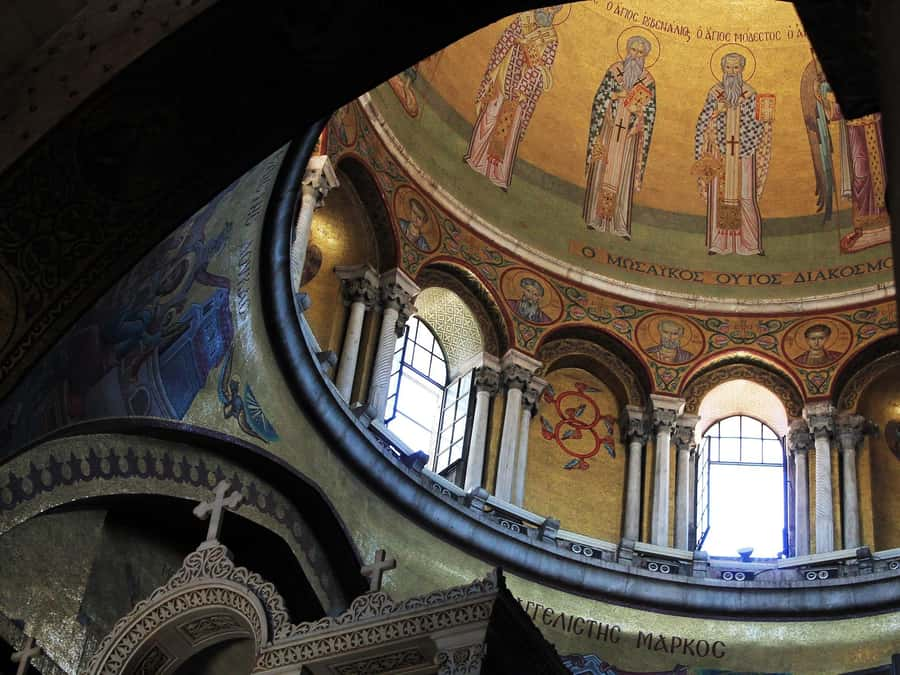
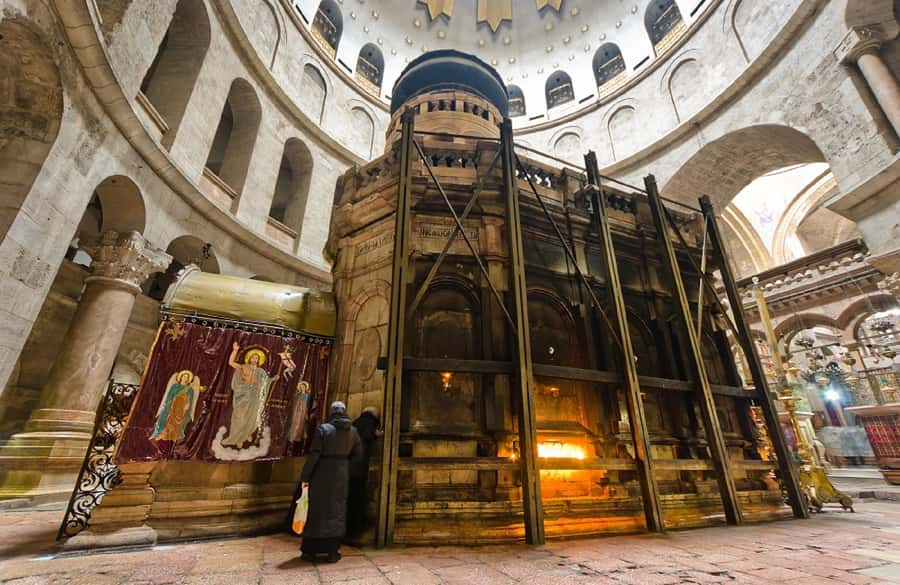
- Church of the Holy Sepulcher, Golgotha and the Resurrection complex in one visit
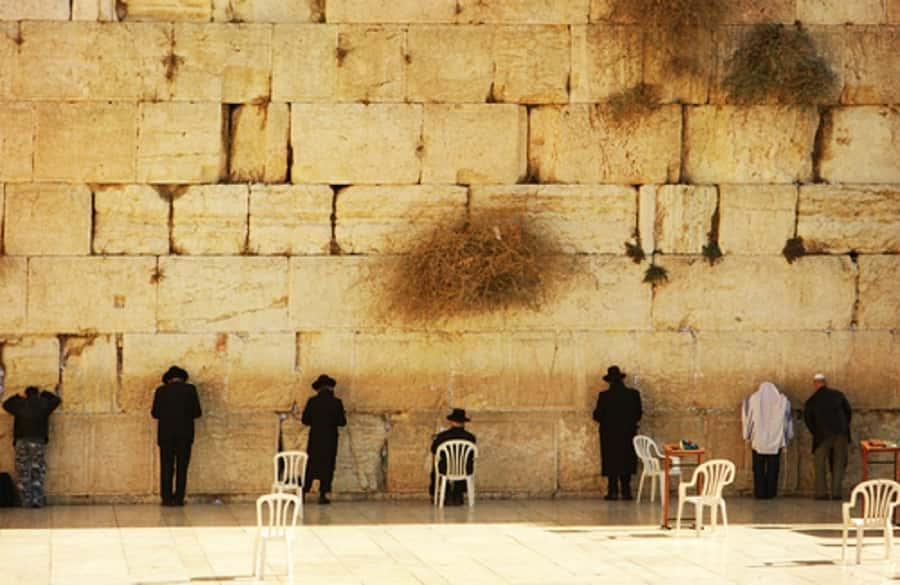
- Wailing Wall, the most holy place in Judaism, and the value of respectful context
- Price and value: what $63 buys in real time
- Who this tour fits best, and who should choose differently
- Dress code and comfort rules you’ll want to plan for
- Should you book Christian Jerusalem in Russian?
- FAQ
- What is the duration of the Christian Jerusalem tour in Russian?
- How much does the tour cost?
- What language is the live guide?
- Are bus transfers included?
- Is food and drinks included?
- Where does the tour pick you up from?
- What are the main stops on the tour?
- What clothing is not allowed?
- Is the tour suitable for young children and people with limited mobility?
Key highlights worth aiming for
- Mount of Olives viewpoint: One of the best ways to orient yourself before you start walking the sacred streets.
- Gethsemane garden maze: You’ll explore the garden area tied to Jesus prayer and the night before the crucifixion.
- Church of All Nations (Basilica of the Agony): A major focal point inside the garden.
- Via Dolorosa in the Old City: The traditional route toward the crucifixion, walked through one dense block after another.
- Church of the Holy Sepulcher: Golgotha, the Holy Sepulcher complex, and the Resurrection area in one place.
- Wailing Wall: The most holy place in Judaism, visited after the Christian sites.
More of Jerusalem, beyond the Old City gates
A 6-hour Russian guided tour built around Jerusalem’s “big sacred hits”
This is a focused half-day route through southern and central Jerusalem’s most famous religious landmarks. For $63 per person, you get guide services plus bus transfers during the tour, which matters here. Jerusalem’s Old City areas can be slow on foot, and hopping between sites is easier when someone is coordinating it for you.
I like that the route has a clear storyline: start with a broad view from the Mount of Olives, move into the Gethsemane area, then head toward Mount Zion and the Last Supper traditions, then step into the Old City via the Via Dolorosa, and finally reach the Church of the Holy Sepulcher complex. You finish with the Wailing Wall, which adds an important reality check that Jerusalem is shared space for more than one faith.
The biggest “fit” question is your comfort with walking and crowds. This is a not recommended for limited mobility tour, and there are also rules on what you can wear. If you meet those requirements, it’s a very efficient way to see a lot in 6 hours.
Starting from the Mount of Olives viewpoint for instant orientation
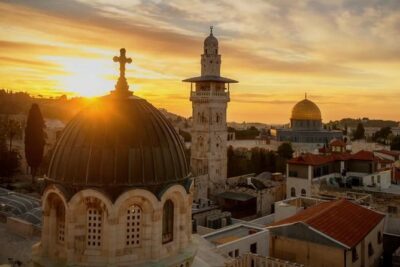
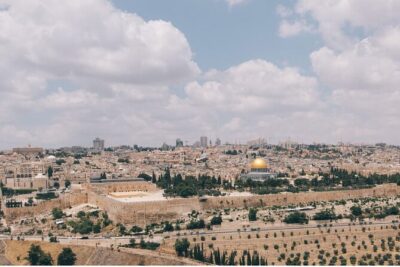
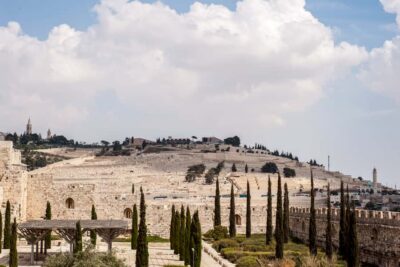
The tour begins at a viewpoint at the Mount of Olives, at the foot of the Mount of Olives in Jerusalem. This is a smart start. Before you go into dense religious corridors and tight stone streets, you get the wide city perspective that helps everything make sense later.
From this viewpoint, you’re not just taking photos. You’re getting the mental map. When you later see the Old City area and the routes tied to the crucifixion journey, it’s easier to understand how the neighborhoods relate to each other.
This early moment also sets the tone. The Mount of Olives is tied to biblical events, and starting there turns the rest of the day from a checklist into a path with direction.
Practical tip: wear shoes you trust. Even before the main walking begins, Jerusalem is uneven, and comfort keeps you from rushing.
Gethsemane garden and the Church of All Nations, where the route feels personal
After the viewpoint, you head to the Gethsemane garden area. This is where the tour puts you right in the setting tied to Jesus prayer and the disciples sleeping the night before the crucifixion. The tour description calls out exploring a maze of the garden, which is exactly the point. You don’t move like a tourist in a straight line. You move like a visitor in a place that was built for reflection, prayer, and careful wandering.
In the middle of the garden, you’ll visit the Church of All Nations, also known as the Church or Basilica of the Agony. This is one of the key stopping points in the garden complex. I like that it’s not only open space. You get architecture, devotional space, and a focused stop that helps you slow down.
What to watch for: garden paths can be crowded and can feel tight depending on the day. If you tend to get impatient in narrow spaces, give yourself a calm pace and follow the guide’s timing. That keeps the experience meaningful instead of stressful.
Other pilgrimage routes through Israel we have written up
Tomb of the Virgin Mary on the south slope, a major stop with specific placement
The tour also includes the Church of Sepulchre of Saint Mary, also known as the Tomb of the Virgin Mary. The description notes it is located on the south slope.
That detail matters because it tells you this stop isn’t a random add-on. It’s positioned as part of the broader Jerusalem religious geography in this route. In plain terms, you’re visiting another site that visitors associate with major Christian traditions, and the location on the south slope helps connect it to the surrounding areas you’ve already seen.
If you’re the type who likes clear context, this is a good stop. You’ll likely get explanation from the Russian-speaking guide on what each place is considered to represent and how it fits into the overall sequence of the day.
Comfort note: if you are sensitive to stairs or sloped ground, pay attention early. Even when you use bus transfers, the walking portions still add up.
Mount Zion for the Last Supper Room, Cenaculum, and Dormition Abbey
Next comes Mount Zion, with the traditional site associated with the Last Supper. The Last Supper Room is also known as the Cenaculum and the Dormination Abbey. The tour description states it traditionally held to be the site of the Last Supper.
I like how this part of the day gives you a “scene” rather than just a location. Even if you’ve read about the Last Supper before, visiting a dedicated place tied to that tradition can make the stories feel more grounded. It’s one thing to think about the event. It’s another to see a specific setting that people connect to it.
Why this stop is valuable: it links the prayer and shadow of Gethsemane to a key moment before the crucifixion path. If your goal is spiritual context with a narrative flow, this is a strong middle chapter.
Don’t rush. In rooms and chapels, the best experiences usually happen when you stop treating it like a museum and instead let the guide’s framing help you look at the place in a slower way.
Via Dolorosa in Jerusalem’s Old City, following the traditional path
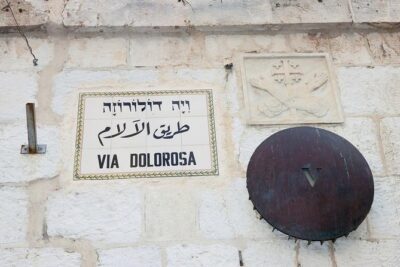
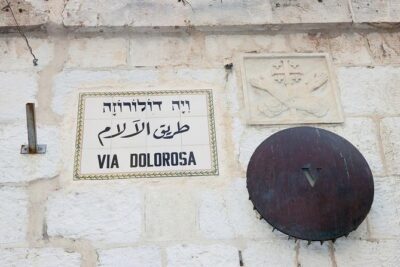
The tour then moves to the Via Dolorosa, a street within the Old City of Jerusalem believed to be the path Jesus walked on the way to his crucifixion.
This is where the experience changes from “complexes and chapels” to “street and movement.” The Old City can feel dense. Stone streets, tight passages, and lots of other visitors can make the route feel busy, even when the goal is reverence.
The practical win here is that you’re not doing this alone. With a guide in Russian and a structured route, you spend less time guessing where to go next. That matters a lot on the Via Dolorosa because it’s easy to lose your way when streets branch and turn.
If you want a smoother time, keep your pace steady and follow the group. Watch your footing. The route is on a street, so you’re dealing with uneven ground and constant movement around you.
Church of the Holy Sepulcher, Golgotha and the Resurrection complex in one visit
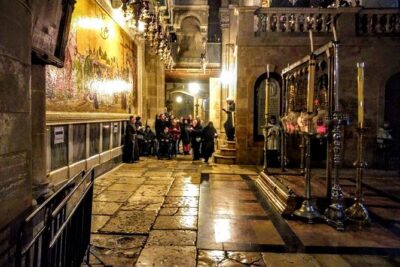
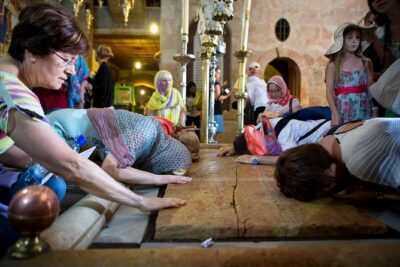
Now for the big one: the Church of the Holy Sepulcher. The tour describes it as one of the most important holy shrines in Christianity.
The modern church is described as consisting of Golgotha, the chapel of the Holy Sepulcher church, and the Church of the Resurrection. It also includes numerous other chapels and monasteries of different denominations. That variety is a key part of what you’re actually experiencing, not just the main monuments.
I find this stop clarifies something. Jerusalem holy sites are not single-themes. They’re layered spaces with overlapping religious meanings and different traditions sharing the same physical footprint. The guide can help you make sense of what you’re seeing as you move through different parts of the complex.
How to enjoy it more: expect that you’ll spend time inside a complex environment where the pace changes. Some areas feel open and some feel tight and crowded. If you’re the type who wants quiet, try to step back when it gets too packed and let the group flow, instead of fighting for a perfect view.
Wailing Wall, the most holy place in Judaism, and the value of respectful context
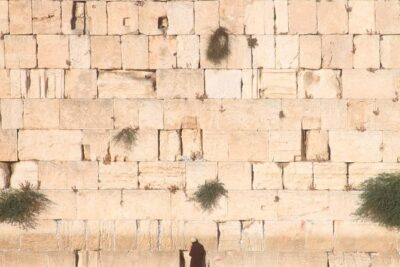
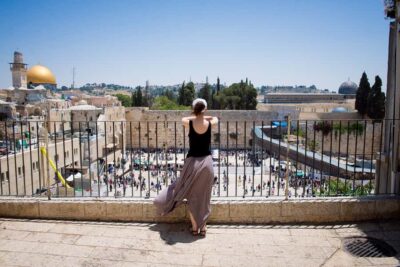
To round out the day, the tour visits the Wailing Wall, described as the most holy place in Judaism.
I like ending with this stop because it gives perspective. It’s not a Christian-only script. You see a site central to another faith’s living religious life.
This is also where your mindset matters. The Wailing Wall visit is best approached with respect and attention to local customs. Even if you’ve been before, it’s a place that rewards calm behavior and focus.
If you’re wondering why this is included in a Christian Jerusalem tour, here’s the simple answer. Jerusalem is shared. A good tour helps you see beyond one tradition while still staying focused on the route you booked.
Price and value: what $63 buys in real time
$63 for a 6-hour tour can sound either fair or steep, depending on your expectations. Here, the value comes from two specific things you get: a live guide in Russian and bus transfers during the tour.
If you tried to do this independently, you’d still pay for transportation, you’d still be dealing with “where do I go next” questions, and you’d likely spend more time figuring out the route than absorbing the meaning of the places. A guide helps connect the stops into a coherent flow: Mount of Olives, Gethsemane, Church of All Nations, Tomb of the Virgin Mary, Last Supper Room, Via Dolorosa, Church of the Holy Sepulcher, then Wailing Wall.
The tradeoff is that it’s a schedule-driven experience. You get less flexibility to linger randomly. If you like slow time in sacred spaces, you might want to schedule extra time later on your own.
Still, based on the strong rating and simple positive feedback around how the tour works, this seems like a practical choice for people who want the highlights without turning the day into a logistics puzzle.
Who this tour fits best, and who should choose differently
This tour is a good match if you want:
- A tight, high-impact route through key Jerusalem holy sites
- A Russian-speaking guide to explain what you’re seeing
- The convenience of bus transfers so you spend less time on transportation decisions
It’s less ideal if you:
- Have limited mobility, since the tour is not recommended for you
- Want minimal rules or very casual clothing, because restrictions are strict
Also, this tour allows children aged 5 years, and it is not suitable for children under 5. With kids, you should think about how they handle walking and crowding. If your child can manage it comfortably, the route can be educational. If not, you may want a shorter or more flexible option.
Dress code and comfort rules you’ll want to plan for
This experience has clear limits on what you can wear and bring. Not allowed items include:
- Shorts
- Short skirts
- Weapons or sharp objects
- Alcohol and drugs
- Ripped clothing
- See-through clothing
You’ll also want to think about your day in terms of comfort. Since food and drinks are not included, plan meals around the tour time and consider what you’ll do for hydration. You don’t want your focus to shift from prayer and history to managing hunger or fatigue.
Shoes are crucial. Even with bus transfers, you’ll be walking through gardens, streets, and indoor complexes. Comfortable, closed-toe footwear helps you move safely and stay calm.
Should you book Christian Jerusalem in Russian?
If your goal is a structured, 6-hour tour of Jerusalem’s major Christian landmarks, with a Russian-speaking guide and bus transfers, this is an easy yes. You’ll hit the Mount of Olives viewpoint, Gethsemane garden including the Church of All Nations, Mount Zion’s Last Supper Room tradition, the Via Dolorosa route, the Church of the Holy Sepulcher complex, and the Wailing Wall.
Book it if you like seeing the “through-line” from Gethsemane to the crucifixion route to the Holy Sepulcher area, without spending your day stuck with directions. Skip it if mobility is an issue, or if you know strict dress code rules will stress you out.
FAQ
What is the duration of the Christian Jerusalem tour in Russian?
The tour duration is 6 hours.
How much does the tour cost?
The price is $63 per person.
What language is the live guide?
The live tour guide speaks Russian.
Are bus transfers included?
Yes. Bus transfers during the tour are included.
Is food and drinks included?
No. Food and drinks are not included.
Where does the tour pick you up from?
Pickup is included at Sderot Haatsmaut 64, Keren HaYesod/Haim Moshe Shapira, and Hagshama St 2. A Talpiot Market Haifa pickup exists, with exit available only on Saturdays.
What are the main stops on the tour?
You visit the Mount of Olives viewpoint, Gethsemane garden including the Church of All Nations, the Church of Sepulchre of Saint Mary, the Last Supper Room (Cenaculum and Dormination Abbey at Mount Zion), the Via Dolorosa, the Church of the Holy Sepulcher, and the Wailing Wall.
What clothing is not allowed?
Shorts, short skirts, ripped clothing, and see-through clothing are not allowed.
Is the tour suitable for young children and people with limited mobility?
Children age 5 years are allowed, but children under 5 are not suitable. The tour is not recommended for people with limited mobility.
More Israel Tour Reviews
- From Jerusalem: Masada & Dead Sea Full Day Tour with Pick Up
★ 4.5 · 815 reviews - Masada and the Dead Sea Day Trip from Jerusalem
★ 4.5 · 757 reviews - From Jerusalem: Nazareth and Sea of Galilee Tour
★ 4.5 · 588 reviews - Nazareth and the Sea of Galilee Day Trip from Jerusalem
★ 4.5 · 446 reviews
Further Holy Land Itineraries
- Jerusalem Walking Tour: In the Footsteps of Jesus
★ 4.5 · 67 reviews - Full Day Private Christian Tour in Jerusalem with Tour Guide
★ 5.0 · 28 reviews - Full Day Jerusalem Tour: In Jesus’ Steps
★ 5.0 · 22 reviews - Christian Gems Around the Sea of Galilee from Jerusalem
★ 4.5 · 16 reviews
Jerusalem, Other Days Out
- Full Day City Tour of Jerusalem
★ 4.1 · 367 reviews - Old and New Jerusalem Full-Day Tour
★ 4.0 · 273 reviews - Jerusalem and Bethlehem Day Tour from Jerusalem
★ 4.5 · 258 reviews - Jerusalem Half-Day Sightseeing Tour
★ 3.9 · 177 reviews
Recently Added Israel Tour Reviews
- jerusalem classic tour★ 5.0 · 3 reviews
- Private Walking Tour in Jerusalem’s Old City★ 5.0 · 3 reviews
- Private Tour Bethlehem and the Dead Sea★ 5.0 · 3 reviews
- Jerusalem Temple Mount & Dome of the Rock★ 4.5 · 3 reviews
- Jerusalem and the Dead Sea★ 5.0 · 3 reviews
Jerusalem City Tours, compared.
 ★ 4.3From Tel Aviv: Jerusalem and Bethlehem Guided Day TripFrom $1181,316 reviews
 ★ 4.0Tel Aviv: Jerusalem, Bethlehem & Dead SeaFrom $109881 reviews
 ★ 4.5Day Tour to Jerusalem and Bethlehem from Tel AvivFrom $121720 reviews
 ★ 4.1Full Day City Tour of JerusalemFrom $75367 reviews
 ★ 4.5Old and New Jerusalem Day Trip from Tel AvivFrom $95296 reviews
 ★ 4.0Old and New Jerusalem Full-Day TourFrom $75273 reviews
 ★ 4.5Jerusalem and Bethlehem Day Tour from JerusalemFrom $106258 reviews
 ★ 3.9Jerusalem Half-Day Sightseeing TourFrom $50177 reviews
Lists this tour appears in