
REVIEW · CHRISTIAN HOLY LAND TOURS
7-Night Israel Highlights and Bibleland Tour
Jerusalem to Galilee, all in one tight week. I love the Shrine of the Book with the Dead Sea Scrolls, and I love how the itinerary layers sacred sites with real-world context like Old Jerusalem and the Sea of Galilee. One drawback to plan for, though, is that the pace is full, so time for slow prayer or lingering at worship sites can feel tight.
You also get real variety in where you sleep: 3 nights in Jerusalem, 2 in Tel Aviv, and 2 at a Galilee kibbutz hotel. And from past groups, guides named like Leah and Boaz get standout praise, with others such as Omer, Suky, Patrick, and Mark also showing up as strong picks. If you want a leisurely trip, or you’re very sensitive to strict schedules, this may feel like too much walking in one go.
In This Review
- Key things to know before you go
- Price and logistics: what you get for $1,712, and what costs extra
- Jerusalem opener: Shrine of the Book, Ein Kerem, Yad Vashem, and Bethlehem
- Old City day, Gethsemane, and Mount of Olives views you will remember
- Day 4 northbound: Jericho country, Beit She’an ruins, and a Golan wine stop
- Sea of Galilee and Nazareth: Capernaum, Beatitudes country, Tabgha, and the Annunciation
- Coastal finale: Acre, Haifa, Caesarea, Jaffa, and a full Tel Aviv reset day
- Should you book this 7-night highlights tour?
- FAQ
- Where does the tour start and what time?
- How many nights will I stay, and where?
- What meals are included?
- Is the Dead Sea trip included?
- Do I get a free day in Tel Aviv?
- How big is the group?
- What’s included for airport transfers?
- Can I expect a lot of walking?
- What is the cancellation deadline for a full refund?
Key things to know before you go
- Dead Sea Scrolls at the Shrine of the Book kick off the Jerusalem story fast
- Old City walking route ties together the Western Wall area, Via Dolorosa, and major churches
- Gethsemane and Mount of Olives give you the big views, plus a sense of the geography
- Sea of Galilee stops include ruins, Beatitudes country, and Tabgha
- Acre, Haifa, Caesarea, and Jaffa connect crusader, Roman, and modern coastal Israel
- A free 10-hour Tel Aviv day helps you recover, shop, and reset your brain
Other pilgrimage routes through Israel we have written up
Price and logistics: what you get for $1,712, and what costs extra
At $1,712 per person, this tour is priced like a guided, full-schedule package, not a DIY sampler. What helps the value: you get 7 nights of accommodation, round-trip airport transfers on the tour days, an air-conditioned vehicle, and a professional guide. Meals are also partly covered with 6 breakfasts and 6 dinners, which matters in Israel where food costs add up quickly.
You should also factor in admissions and that helpful “less thinking” feeling. Several big stops have admission tickets included (for example, the Israel Museum and Yad Vashem), while other sites are listed as free or included without extra fees. Still, food and drinks are not included unless noted, so budget for lunch most days.
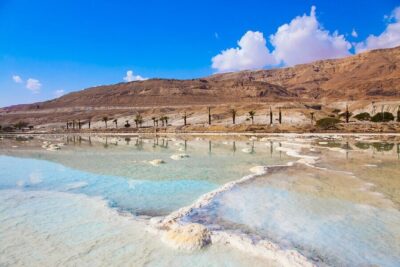
Two things can add surprise cost. First, the tour offers an optional Dead Sea day-trip for an extra fee. Second, some past participants mentioned Masada being extra too, so treat add-ons as real budget items. If you care about staying within a strict total, ask upfront what is optional versus included.
Finally, the schedule is intense. You’ll be on the move for long stretches, including the Old City and multiple uphill or viewpoint stops like Mount of Olives. Comfortable shoes are not optional here, because the “historic” part is also physical.
Jerusalem opener: Shrine of the Book, Ein Kerem, Yad Vashem, and Bethlehem
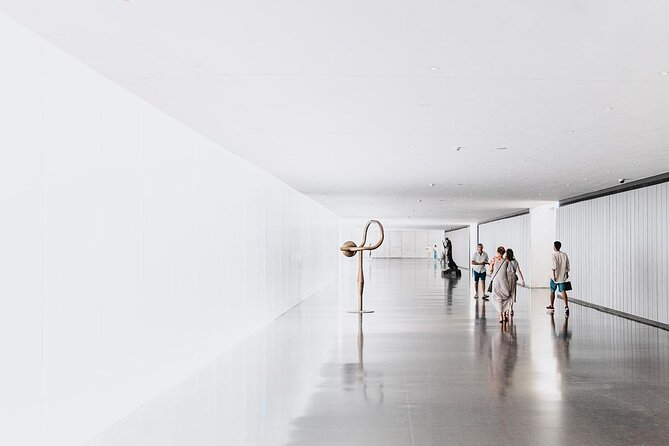
Jerusalem starts the right way, with the Israel Museum and the Shrine of the Book. This is where the famous Dead Sea Scrolls live, and it’s also paired with a look at the restored model of Second Temple-era Jerusalem. That combo helps you understand what you’re about to see, instead of just following a checklist.
Then you head to Ein Kerem, a village on the southwest outskirts where Christian tradition places the birth of John the Baptist. The value here is simple: it slows the day a bit. You get a quieter, more local feel before you return to big, high-emotion sites.
After that comes Yad Vashem, Israel’s official Holocaust remembrance center. This stop is heavy, and it deserves your full attention time. Even if you’ve seen similar memorials before, the point is the same: it grounds the trip in 20th-century reality, not just ancient story.
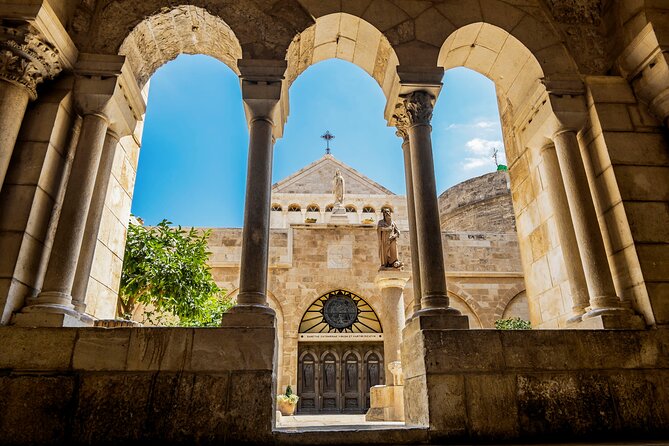
The day closes with Bethlehem, centered on the Church of the Nativity and Manger Square. You get about a couple hours there, enough to orient yourself and see the key areas without feeling rushed every second. Still, if you want extra time inside churches or for specific devotions, note that the broader itinerary keeps moving, so you may need to manage your expectations.
Old City day, Gethsemane, and Mount of Olives views you will remember
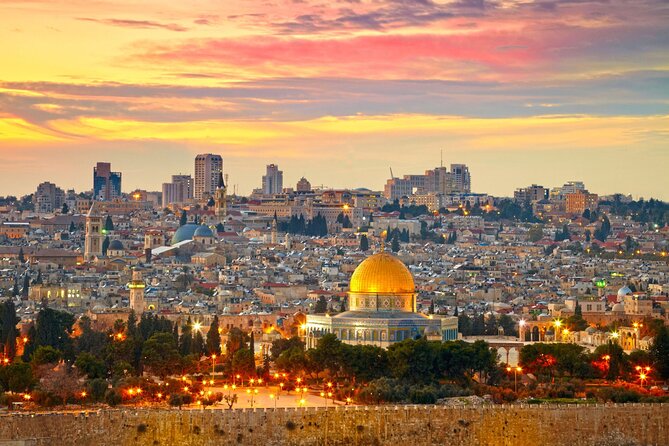
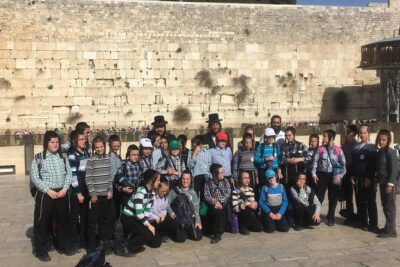
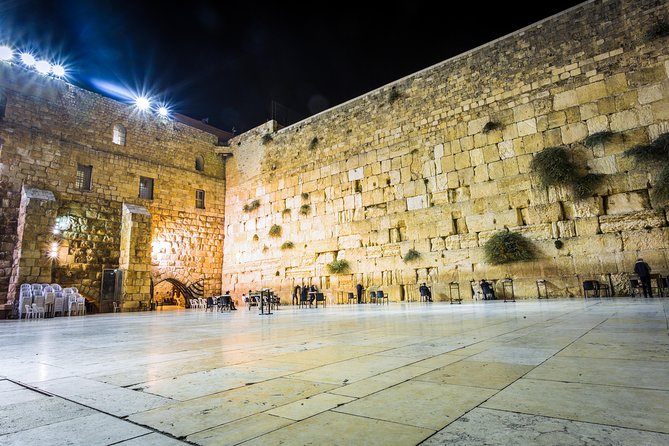
Day 3 is the “big Jerusalem walk” day, and it’s where most people feel both the awe and the fatigue. You enter the Old City area, including the Western Wall region and the Temple Mount site. From there, you follow the Via Dolorosa route toward Calvary and the Church of the Holy Sepulchre, a complex of traditions tied to the Crucifixion and Resurrection.
Next is Mount Zion, including the traditional tomb of King David and the Room of the Last Supper. This is a helpful switch from the densest Old City streets to another set of sacred reference points, still within walking range.
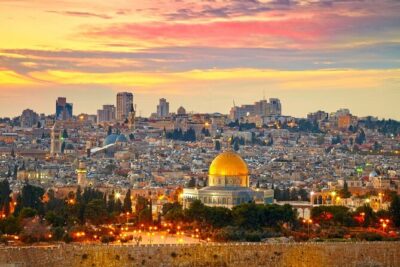
Then the scenery changes emotionally with the Garden of Gethsemane, linked to the moment of betrayal. After that you climb to Mount of Olives for a panoramic view of Jerusalem. This is one of those moments where geography clicks: you can finally see how the Old City sits within the surrounding hills.
The final practical bonus is Mahane Yehuda Market. Instead of ending on another monument, you get food smells, crowds, and day-to-day city energy. It’s a good way to balance the intense morning with something human and local.
One heads-up based on real experiences: some people wish there were more flexible time for worship or slower moments. So if prayer time is a priority for you, bring that need up early with your guide and be ready that the schedule is structured.
Longer runs through Israel, three days and up
Day 4 northbound: Jericho country, Beit She’an ruins, and a Golan wine stop
Leaving Jerusalem, the trip presses north through the Jordan Valley region, with a drive past Jericho as a key reference point. This is not just transit. It gives you a sense of how the landscape shapes the stories people tell about the area.
At Beit She’an National Park, you’ll visit major excavations of a Roman-era city. The ruins are big and spread out, and that helps you picture a once-bustling place rather than just “a site.” It’s also a nice change of pace from Jerusalem’s crowded streets.
Then comes the Golan Heights, where you get an Israeli wine-country experience. The stop includes a tour and wine tasting, plus context about production. If you don’t drink, you should still be ready for what the schedule includes and decide how you want to handle the tasting portion on your own.
From the Golan you also get views and scenery tied to the area’s history and borders, including Druze villages and former Syrian fortifications. The Mount Hermon sightline can be a wow moment, especially when the weather is clear.
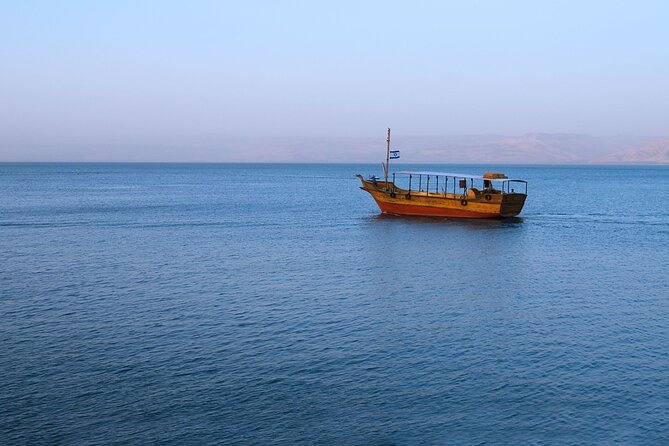
You end the day in the Tiberias area on the Sea of Galilee shores. This is a good setup for the next day’s biblical sites, because you’re staying in the region rather than bouncing through it.
Sea of Galilee and Nazareth: Capernaum, Beatitudes country, Tabgha, and the Annunciation
Day 5 is the heartland day for many first-time visitors. You start with Capernaum (Kfar Nahum), focusing on the ruins of an ancient synagogue. Standing in archaeological remains is different from seeing a church interior. It feels more like you’re looking at layers of history, not a single moment.
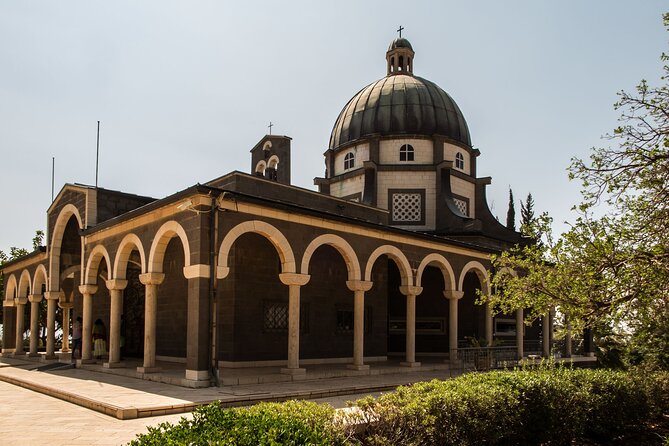
Next is Mount of Beatitudes, tied to the Sermon on the Mount tradition. This stop works well because it’s outdoors and makes you think about why crowds would gather where they did.
After that you go to Tabgha, traditionally linked with the miracle of the loaves and the fish. If you’re a visual person, this part of the route helps you connect “story” to “place,” since the sites are grouped around a plausible travel corridor along the shore.
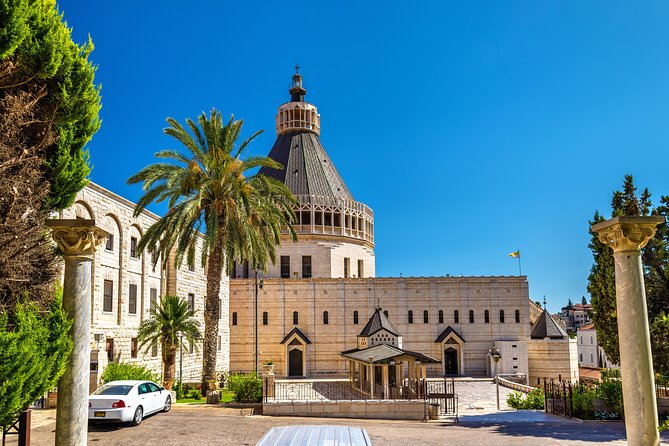
Then you head to Nazareth, visiting the Church of the Annunciation and other Christian holy sites in the area. That shift is important, because it adds the childhood and hometown angle to the broader Jesus’ ministry storyline many people come for.
At the end of a day like this, you’ll be glad you have two nights in the Galilee area at a kibbutz hotel. The point isn’t luxury. It’s location and recovery time so you can keep energy for the coastal stretch afterward.
Coastal finale: Acre, Haifa, Caesarea, Jaffa, and a full Tel Aviv reset day
Day 6 turns the page from inland holy sites to Israel’s layered coastline. You head to Acre (Akko) and its Citadel, a Crusader stronghold with medieval fortifications. Acre matters because it shows how many eras overlap on the same shoreline.
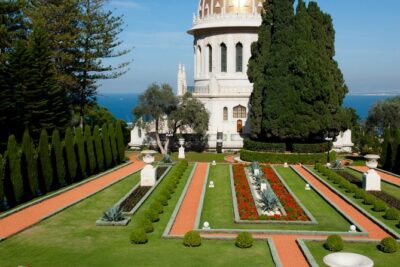
Next is Haifa, ascending Mount Carmel for panoramic views. You’ll see key highlights tied to different communities, including the Baha’i Shrine and the Persian Garden, plus Haifa Bay viewpoints. Even if you’re not a dedicated garden person, the perspective helps you understand why Haifa became a crossroads city.
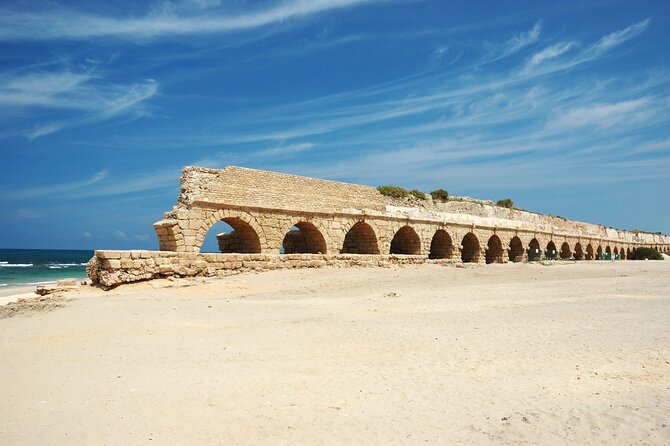
Then you go to Caesarea National Park, including the Roman Theater and the Crusader fortress, often associated with Herod the Great’s legacy in the area. It’s one of those stops where “Roman” and “medieval” both feel present, and you can’t help but think about how empires reused prime real estate.
The day ends with Jaffa Old City and the ancient port area, followed by a short Tel Aviv city tour. Jaffa is a nice transition because it’s older and more textured, and Tel Aviv is more modern and easier to exhale in.
Finally, you get a full free day in Tel Aviv (listed as 10 hours). This is smart. After days of churches, ruins, and long drives, you want time to recover, eat what you want, and choose your own pace.
Should you book this 7-night highlights tour?
I think this tour is a strong match if you want a guided, start-to-finish route that hits the big names across Jerusalem, Bethlehem, Galilee, and the coast. It’s also a good choice if you value context: Dead Sea Scrolls early on, Holocaust remembrance at Yad Vashem, then ancient ruins and sermon sites. That mix helps the trip feel more grounded than a straight religious tour.
Book it if you’re comfortable with a fast rhythm and long days. A recurring theme from real experiences is that you may feel exhausted after the week, and that’s usually a sign you stayed active and saw a lot.
I’d be more cautious if you know you want extra time for prayer, quiet reflection, or a specific holy-site request. Also, double-check optional add-ons so you don’t get surprised by extra fees, especially for Dead Sea and possibly Masada. And choose your hotel tier carefully, because your comfort can change based on whether you select higher-standard options.
If you want a plan that feels structured and you’re okay with the pace, this one earns its reputation. Just go in informed, wear good shoes, and treat the free Tel Aviv day as a real piece of the trip, not an afterthought.
FAQ
Where does the tour start and what time?
The tour starts at Ben Gurion Airport in Israel, with a start time listed as 8:00am. The tour ends back at the meeting point.
How many nights will I stay, and where?
You’ll have 7 nights total, with 3 nights in Jerusalem, 2 nights in Tel Aviv, and 2 nights at a Galilee kibbutz hotel.
What meals are included?
Breakfast is included for 6 days and dinner is included for 6 days. Food and drinks are not included unless specifically noted.
Is the Dead Sea trip included?
There is an optional Dead Sea day-trip, and it’s listed as an additional cost.
Do I get a free day in Tel Aviv?
Yes. The itinerary includes a free day in Tel Aviv, listed as 10 hours of leisure.
How big is the group?
The tour has a maximum of 40 travelers.
What’s included for airport transfers?
Round-trip airport transfers are included, but they are provided only on the designated tour arrival and departure days.
Can I expect a lot of walking?
Yes. You’ll spend time at major sites including the Old City, Via Dolorosa, and viewpoints like Mount of Olives, plus multiple national parks and churches throughout the trip.
What is the cancellation deadline for a full refund?
You can cancel up to 6 days in advance for a full refund, specifically at least 6 full days before the experience start time.
More Israel Tour Reviews
- From Tel Aviv: Masada & Dead Sea Full Day Tour with Pick Up
★ 4.5 · 1,496 reviews - From Tel Aviv: Jerusalem and Bethlehem Guided Day Trip
★ 4.3 · 1,316 reviews - Masada and the Dead Sea Day Trip from Tel Aviv
★ 4.5 · 1,014 reviews - Tel Aviv: Jerusalem, Bethlehem & Dead Sea
★ 4.0 · 881 reviews
Longer Israel Itineraries
- 2-Day Best of Israel Tour from Tel Aviv: Jerusalem, Bethlehem and Masada Tour
★ 4.5 · 38 reviews - Fully Inclusive Private Customized Israel Tour
★ 5.0 · 34 reviews - 5-Day Best of Israel Tour from Tel Aviv: Jerusalem, Dead Sea, Nazareth, and Masada
★ 3.5 · 32 reviews - 2-Day Northern Israel Tour from Tel Aviv: Golan Heights, Nazareth and the Sea of Galilee
★ 4.5 · 6 reviews
Further Holy Land Itineraries
- Biblical Highlights of the Galilee Tour From Tel Aviv
★ 4.0 · 67 reviews - Jerusalem Tour from Tel Aviv: In the Footsteps of Jesus
★ 4.5 · 49 reviews - Bike the Holy Land with Yoav Lavi, Bike Guide for all levels and a Photographer
★ 5.0 · 36 reviews - Bethlehem and Jerusalem Day Biblical Tour from Tel Aviv
★ 4.5 · 34 reviews
Recently Added Israel Tour Reviews
- private Full-day Tour to Jericho + the Dead Sea★ 5.0 · 3 reviews
- Package VIP Skip Line Services in BGN Airport with Transfer to Tel aviv Hotels★ 5.0 · 3 reviews
- Food & Drink Private Guided Tour in Tel Aviv★ 5.0 · 3 reviews
- Tel Aviv Like a Local: Customized Guided Tour by Lokafy★ 5.0 · 3 reviews
- Private Tour from Tel Aviv to Jerusalem★ 5.0 · 3 reviews
Christian Holy Land Tours, compared.
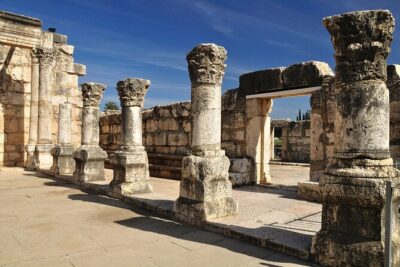 ★ 4.0Biblical Highlights of the Galilee Tour From Tel AvivFrom $9367 reviews
 ★ 4.5Jerusalem Walking Tour: In the Footsteps of JesusFrom $8967 reviews
 ★ 4.5Jerusalem Tour from Tel Aviv: In the Footsteps of JesusFrom $9949 reviews
 ★ 5.0Bike the Holy Land with Yoav Lavi, Bike Guide for all levels and a PhotographerFrom $55036 reviews
 ★ 4.5Bethlehem and Jerusalem Day Biblical Tour from Tel AvivFrom $9534 reviews
 ★ 5.0Biblical toursFrom $1,20033 reviews
 ★ 5.0Israel Holy Land Christian Tour Package 7 days – Private Tour PackageFrom $4,30031 reviews
 ★ 5.0Full Day Private Christian Tour in Jerusalem with Tour GuideFrom $70028 reviews
Lists this tour appears in