
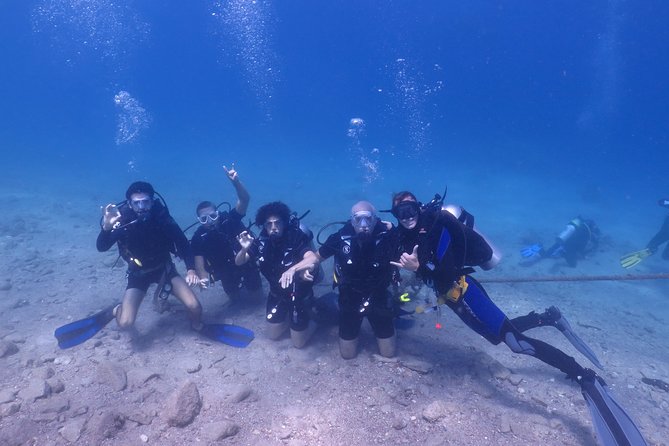
REVIEW · EILAT & THE RED SEA
PADI Open Water Diver Course – 5 Days Scuba Diving
A 5-day SCUBA course can feel like a big jump. The reason this one works is simple: small-group coaching in Eilat’s Red Sea waters, with a clear path from theory to real-world skills. You get equipment ready for you, plus coffee, tea, and water during the course, which makes the whole schedule easier to handle. One thing to consider: you’ll need good weather and you must complete a health questionnaire before any underwater sessions.
This program follows the standard structure you want for certification: theory, video support, pool skills, then open-water practice to a maximum of 18 meters. It’s also budget-friendly in the sense that equipment rental and insurance are included, so you’re not hunting for add-ons at the last minute. If you’re short on time or hate paperwork, the questionnaire and medical check step is the part that can take a little extra energy.
In This Review
- Key highlights worth your attention
- Why Eilat is a strong choice for your Open Water certification
- Meeting the team at Ahla in Eilat, then getting your gear sorted
- Day-by-day learning: theory, video, and pool skills that actually prepare you
- From pool to coral reef: how the ten training sessions support certification
- What “up to 18 meters” means for your card and your future plans
- Price and value: what $551 includes, and what you should budget
- Safety, insurance, and the health questionnaire step you cannot skip
- Logistics that affect your daily comfort more than you’d expect
- Who should book this 5-day SCUBA certification in Eilat
- Should you book this PADI Open Water certification course?
- FAQ
- What is the maximum depth you train to in this course?
- How many confined and open-water practice sessions are included?
- Is insurance included in the course price?
- What time does the course start, and where do you meet?
- Is food or drink included?
- Is there a limit on group size?
Key highlights worth your attention
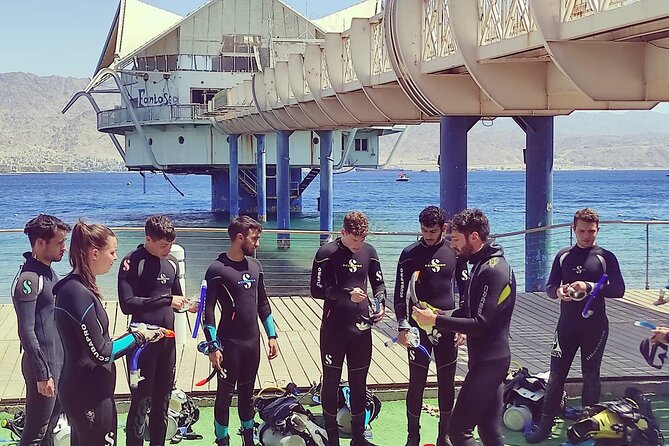
- Small group size (up to 8), which helps your instructor manage your pace.
- Insurance included in the course price, so you do not need to buy separate coverage for the training itself.
- Four confined-water sessions + six open-water reef sessions, all designed around getting certified.
- Max depth limit is 18 meters, so you train within the same boundaries your card allows.
- You start at 9:00 am from a fixed Eilat meeting point, with no hotel pickup included.
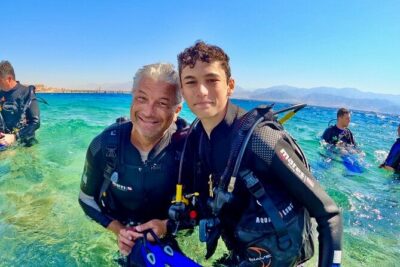
Eilat, the Red Sea and the mountains behind it
Why Eilat is a strong choice for your Open Water certification
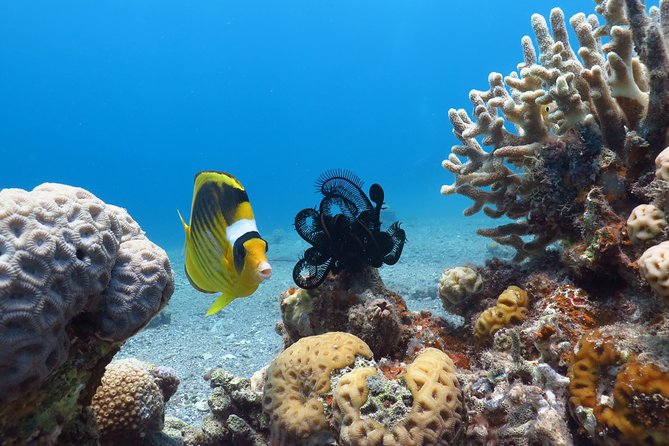
Eilat is one of the easiest places in Israel to set up a training schedule. The coastline is built for people who want to spend time in the water, and that matters when you’re doing a multi-day certification course.
For you, the big advantage is that the program is designed around real, practical conditions rather than just classroom work. You go from learning basic systems and safety to doing the same skills while breathing underwater, down to 18 meters. That depth limit is not a random number, it’s the ceiling of what your certification allows worldwide after you pass.
Also, there’s a practical travel bonus. Eilat is small enough that getting to the meeting point and keeping your day organized is usually easier than in bigger cities. If you’re trying to fit this around flights and other activities, that simplicity helps.
Meeting the team at Ahla in Eilat, then getting your gear sorted
The course starts at 9:00 am in Eilat, at the Ahla course location on Derech Pa’amei HaShalom 1. You meet there and the experience ends back at the same point, so you’re not stuck with mystery transport plans.
No hotel pickup is included, so plan on being able to get yourself to the meeting spot on time. The good news is the location is listed as near public transportation, which gives you backup if you do not have a car.
What I like about courses like this is how predictable they feel once you’re there. Your equipment rental is included, so you can travel lighter and avoid the hassle of sourcing or fitting your own gear. The downside is the course is weather-dependent, so if Eilat has a rough stretch, expect schedule adjustments or alternate dates.
Day-by-day learning: theory, video, and pool skills that actually prepare you
Before any hands-on work begins, you get full educational materials and a lesson structure that covers the core knowledge you need for certification. You also watch an educational video from the certifying agency, which helps you visualize what the skills should look like before you do them.
Then the course moves into practical training where mistakes are okay because the environment is controlled. You get training in a pool first, which is a smart way to build comfort with breathing, buoyancy basics, and safe procedures without worrying about real-world currents or open-water factors.
For your travel brain, this matters. Pool time turns the biggest unknown into something you can practice. Instead of showing up on open water still wondering how your body and gear will behave, you arrive having already done the basics under supervision.
One more practical point: you should come ready for a serious but short learning block. This course is time-efficient, and you’ll get the best results if you keep your focus during the classroom portion instead of treating it like filler.
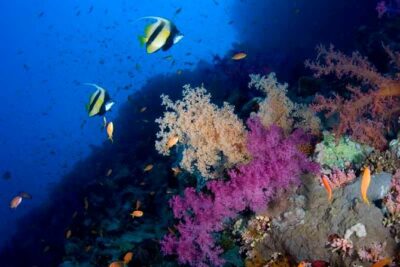
Under the Red Sea: more dives from Eilat
From pool to coral reef: how the ten training sessions support certification
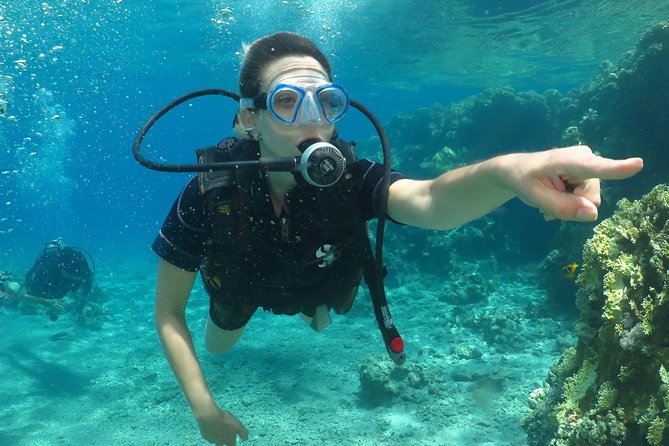
Your practical work totals ten underwater training sessions. That includes four confined-water sessions and six open-water reef sessions.
The confined-water sessions are your bridge. They’re where you repeat skills in a smaller, more controlled setting, so you can correct technique early. This is where you build muscle memory for things like basic control of your breathing and staying calm if something feels unfamiliar.
Then you move into the open-water reef sessions. That is where the Red Sea setting becomes part of the curriculum, not just a scenic bonus. Practicing in open water forces you to manage depth, procedures, and awareness while working within the course’s limits.
Two practical tips I’d give you based on how these programs are set up:
- Be ready to listen and adjust quickly. In a small group, instructors can help fast, but they need you to pay attention and try what they suggest.
- Keep your expectations realistic. Certification is about safe skill performance more than about how long you can stay or how many photos you can get.
The course’s structure also keeps safety front and center. Training happens under the guidance of an experienced, certified instructor, and the program’s approach is built around minimizing risk while still giving you real practice.
What “up to 18 meters” means for your card and your future plans
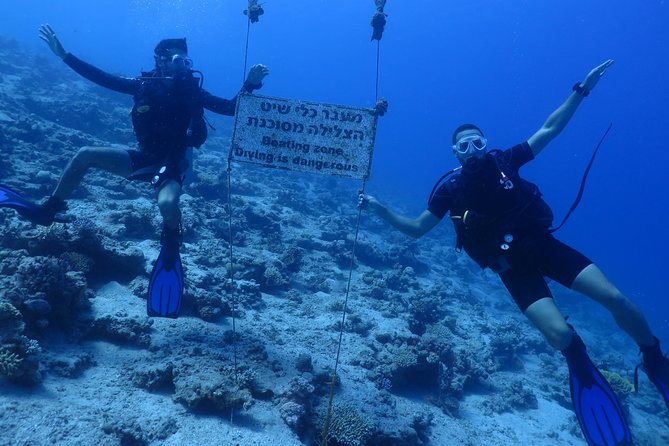
At the end of the program, you complete the required exam and, if you pass, you receive your PADI certification. The card allows you to dive to 18 meters anywhere in the world.
That matters for planning because it defines what you can legally and safely expect from future trips. If you already know you want to explore other sites later, this depth limit gives you a clear framework for booking charters and choosing locations that match your certification level.
Also, remember that training to 18 meters is not the same thing as becoming a random advanced sport diver overnight. Your future comfort will come from practice after the course. But starting with training that matches the same depth cap you’ll later use is a big reason the course is worth it.
If you want a clean progression, take this as your foundation. Then, once you have the card, you can build confidence with additional training that fits your goals.
Price and value: what $551 includes, and what you should budget
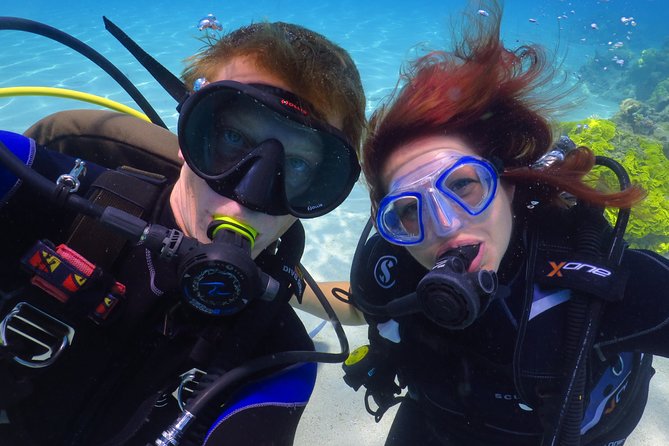
At $551 per person, the value comes from what’s covered, not just from the sticker price. Here’s what you get included:
- Scuba equipment rental
- PADI education materials
- Coffee, tea, and drink water during the course
- Four confined-water sessions
- Six open-water reef sessions
- PADI certification
- Insurance included in the price
For many certification budgets, the surprise costs are the ones you forget until the last day, like equipment fees or insurance. This course handles those up front, which makes it easier to plan your total trip spend.
What’s not included is also clear:
- Food and drinks beyond what’s listed as included
- Hotel pickup
So you’ll want to budget for meals on your training days. If you’re staying near the meeting point, you can often keep food logistics simple. If you’re farther away, plan transportation so you’re not rushing after a full morning schedule.
Safety, insurance, and the health questionnaire step you cannot skip
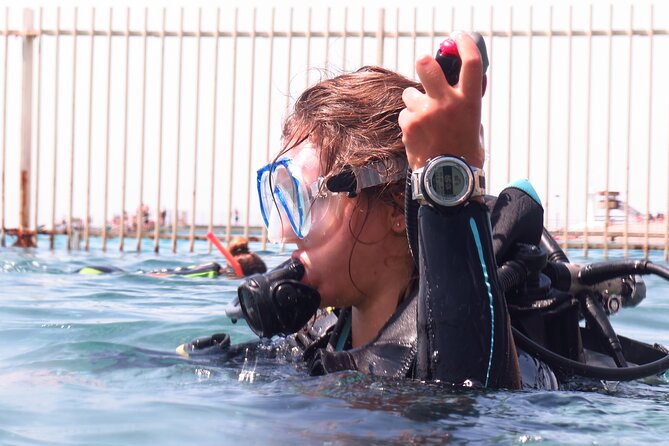
Safety is built into the course design. Training is carried out under instructor supervision, and the program states that underwater practice is absolutely safe because it’s guided by certified professionals.
The biggest money-saver for peace of mind is that insurance is included with no additional purchase needed for the training. That is a real benefit for you because it reduces the uncertainty of whether you’re covered for training activities.
You also need to complete a health questionnaire prior to any underwater sessions. Some pre-existing conditions, like asthma or heart conditions, may prevent you from participating, so the course advises you to consult your doctor if you have any concerns. If you’ve got medical history you think might matter, do not wait until the last minute, because the questionnaire step is required.
A practical travel note that often gets overlooked: diving within 48 hours of flying is not recommended. This impacts flight planning. If you’re coming in for the course, try to leave a buffer so your body can adjust.
Logistics that affect your daily comfort more than you’d expect
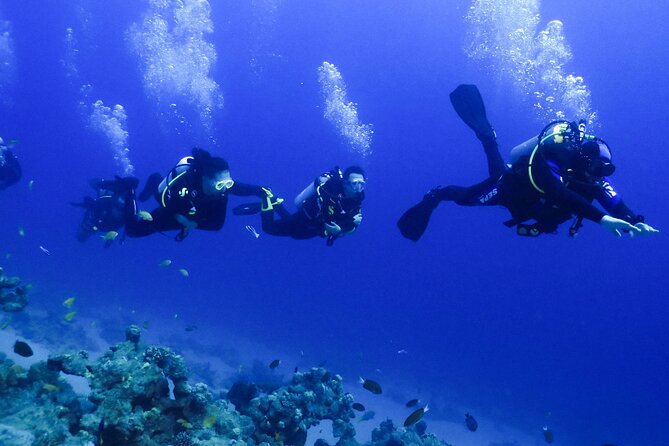
This is a 5-day course, starting at 9:00 am and ending back at the meeting point. There is a maximum group size of 8 travelers, which usually means you’re not stuck in a big cattle-line situation.
You’ll also want to plan for weather. The experience requires good weather, and if it’s canceled due to poor weather, you’re offered a different date or a full refund. That can be annoying if you have tight plans, so if possible, give yourself schedule flexibility during those days.
You’ll also be asked for confirmation at booking, and you’ll receive a mobile ticket. That’s convenient if you prefer digital check-in and do not want to manage paper.
Lastly, service animals are allowed, and the location is near public transportation. So if you’re traveling without a car, you should still be able to make the start time.
Who should book this 5-day SCUBA certification in Eilat
I think this course is a great fit if you want a straightforward way to earn your certification without adding a bunch of extra logistics. The included equipment rental and insurance are exactly what make it feel like a complete package.
It’s especially suitable if:
- You prefer small-group instruction rather than a large class.
- You want a clear, standardized path from theory to pool practice to open-water reef sessions.
- You like the idea of getting certified in a place where training happens in real coastal conditions.
It may not be the best choice if you have very inflexible travel dates. Weather can affect scheduling, and the 48-hour flying recommendation can shift your flight timing.
Also, if you’re traveling with kids, note that children must be accompanied by an adult. That’s not a deal-breaker, but it changes how you plan your day.
Should you book this PADI Open Water certification course?
Book it if you want a clean, well-supported certification path with insurance included, equipment rental handled, and a total of ten supervised practice sessions that match the 18-meter limit on your eventual card. The structure is the point: theory and video first, pool skills next, then real open-water reef work under supervision.
Think twice if your schedule is tight and weather flexibility is not possible for you, or if your health history might make the health questionnaire difficult. If you’re not sure about medical eligibility, start that conversation with your doctor early so you do not burn travel time.
If your plan is to earn your certification in the Red Sea region and keep your logistics simple, this course is a sensible pick.
FAQ
What is the maximum depth you train to in this course?
The course maximum depth of plunging is 18 meters.
How many confined and open-water practice sessions are included?
You get 4 confined water dives and 6 open water dives, for a total of 10 water practice sessions.
Is insurance included in the course price?
Yes. Insurance is included in the price, and the course says you do not need to purchase additional insurance.
What time does the course start, and where do you meet?
The start time is 9:00 am, and you meet at the Ahla course location on Derech Pa’amei HaShalom 1, Eilat. The activity ends back at the same meeting point.
Is food or drink included?
Coffee, tea, and drink water are included. Food and drinks are not included.
Is there a limit on group size?
Yes, the experience has a maximum of 8 travelers.
More Diving in the Red Sea
- Private Scuba Diving Tour with Transportation and Guide
★ 5.0 · 14 reviews - Eilat: Intro to Diving with Certified Instructor
★ 5.0 · 3 reviews
More Israel Tour Reviews
- Day Tour to Petra from Eilat
★ 4.0 · 237 reviews - Jeep tour adventure Eilat mountains
★ 5.0 · 69 reviews - Red canyon jeep tour in Eilat
★ 5.0 · 33 reviews - 2 day tour to Petra from Eilat
★ 4.0 · 22 reviews
Still in Eilat? Keep Going
- Jeep tour adventure Eilat mountains
★ 5.0 · 69 reviews - Red canyon jeep tour in Eilat
★ 5.0 · 33 reviews - Timna park Jeep tour adventure
★ 4.5 · 21 reviews - Private Scuba Diving Tour with Transportation and Guide
★ 5.0 · 14 reviews
Recently Added Israel Tour Reviews
- Petra and Wadi Rum 2 day Tour from Eilat★ 5.0 · 3 reviews
- Petra & Wadi Rum 3 Days 2 Tour Nights from Eilat border★ 5.0 · 3 reviews
- Eilat: Intro to Diving with Certified Instructor★ 5.0 · 3 reviews
- 2 Days Wadi Rum and Petra Tour from Wadi Arava Border★ 5.0 · 5 reviews
- 2-Day Petra from Eilat★ 4.5 · 6 reviews
Eilat & the Red Sea, compared.
 ★ 4.7Eilat Mountains: Sunset Jeep Adventure to Mount JoashFrom $67143 reviews
 ★ 5.0Jeep tour adventure Eilat mountainsFrom $5569 reviews
 ★ 4.7From Eilat: Timna Park Guided Jeep TourFrom $8368 reviews
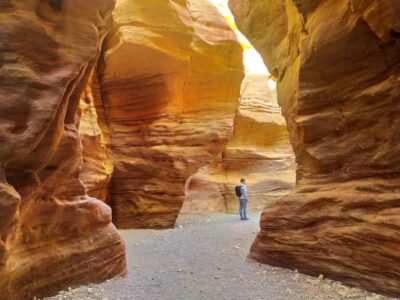 ★ 4.8From Eilat: Red Canyon Guided TourFrom $8359 reviews
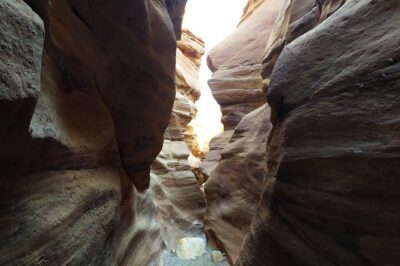 ★ 5.0Red canyon jeep tour in EilatFrom $7033 reviews
 ★ 4.5Timna park Jeep tour adventureFrom $7021 reviews
 ★ 5.0Private Scuba Diving Tour with Transportation and GuideFrom $22014 reviews
 ★ 5.0Introductory Dive in EilatFrom $7711 reviews
Lists this tour appears in