
REVIEW · THE DEAD SEA
Massada and the Dead Sea in Russian
Masada and the Dead Sea pack two worlds. This half-day tour pairs a guided ascent to the cliff-top fortress with an included Dead Sea swim and mud treatments, all explained in Russian while the bus rolls through the Judean Desert.
I like how this tour keeps the story moving. You get Masada’s big moments, like the Roman siege and the defenders who would not submit, explained in a way that makes the ruins feel close and human. I also like the energy around the Dead Sea portion, where you’re not just watching, you’re actually there for the bathing experience.
One consideration: this is not recommended for people with limited mobility. The fortress area and the way you reach it can be physically demanding, even if the rest of the day feels easy.
In This Review
- Key highlights worth planning for
- Two worlds in one outing: Masada, then the Dead Sea
- Getting there comfortably: bus route and pickup points
- The guided climb at Masada: what you’re really seeing
- Roman siege stories told the way you’ll remember
- Dead Sea beach time: swim and mud treatments
- Dead Sea cosmetics shop: why it’s there and what to do with it
- Price and value: what $82 buys you, and what doesn’t
- Logistics that can matter: seats and safety mindset on the bus
- Who should book this tour, and who should skip it
- Should you book: my take on the decision
- FAQ
- How long is the tour?
- What language is the live guide?
- Is pickup included, and from where?
- Are meals included in the price?
- Do I have to pay extra for the Massada funicular?
- Is the tour suitable for people with limited mobility?
Key highlights worth planning for
- UNESCO listed Masada ruins on dramatic cliffs above the Dead Sea region
- A guided climb with clear context about the siege and what the site represents
- Dead Sea swim plus mud treatments as part of the experience, not a vague “stop”
- Comfortable bus transfers that let you focus on the views, not navigation
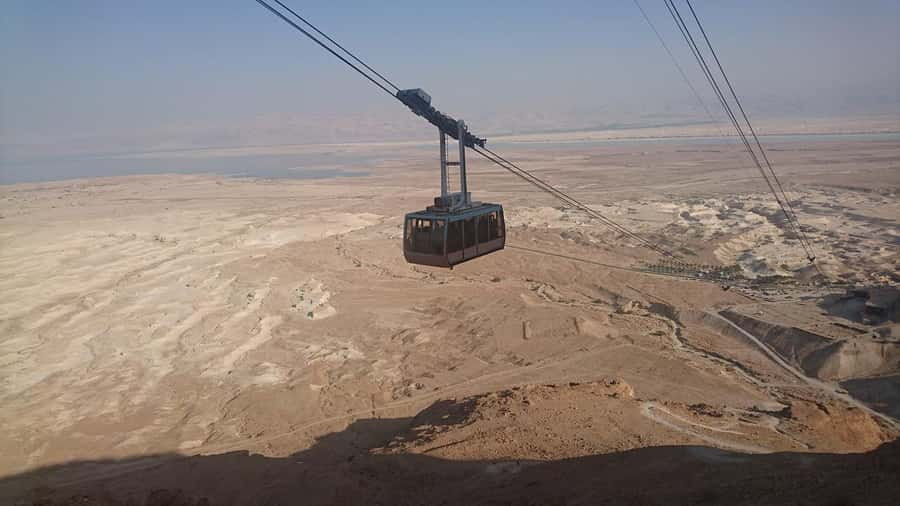
- An extra funicular payment is required for the fortress ride
Two worlds in one outing: Masada, then the Dead Sea
If you want Israel’s extremes in one go, this is the right combo. Masada gives you the sense of a harsh place with stubborn people. Then the Dead Sea snaps the mood to something physical and immediate, where the water and mud do the talking.
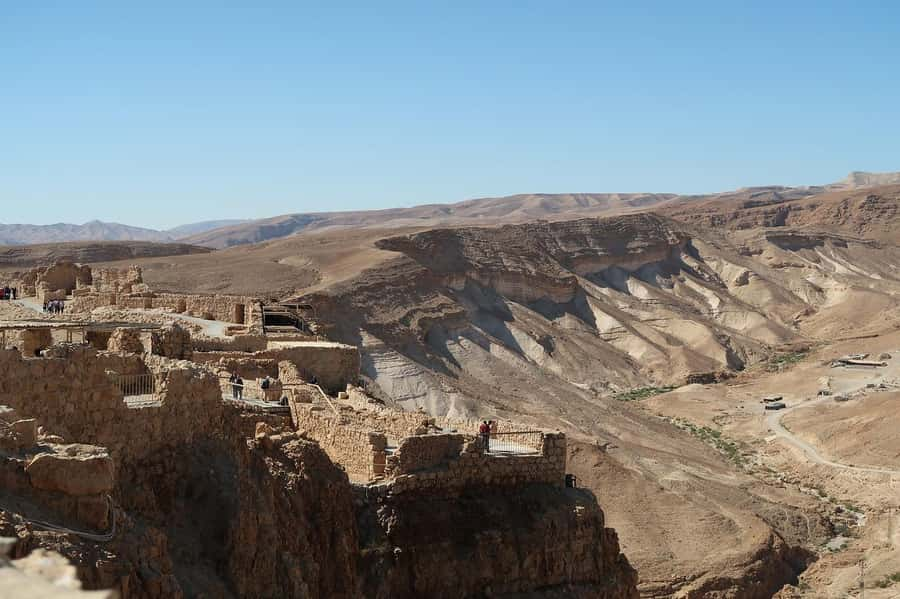
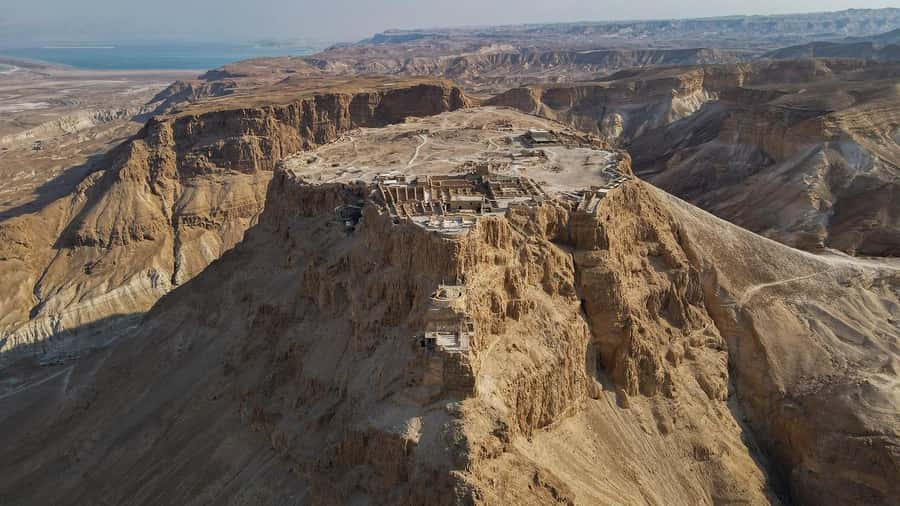
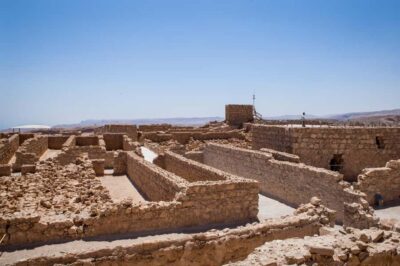
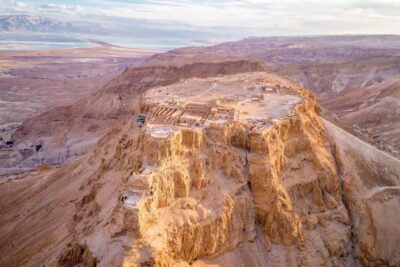
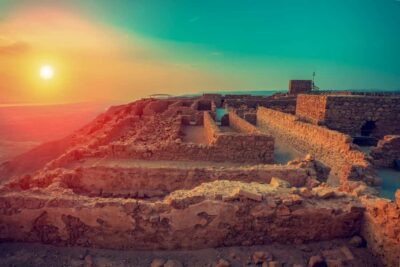
You’ll start near the southern coast of the Dead Sea, with Masada positioned up on the cliffs of the Judean Desert near Arad. The fortress site is preserved in ruins, but it is still readable. You can see palace remains, a synagogue, armories, rainwater collection pits, and supporting buildings that helped the defenders last through a long siege.
The Dead Sea segment is the contrast you’re looking for. You’ll go to the beach, bathe, and do mud treatments, which is the fun part you can feel right away. And because the tour runs with a live guide in Russian, you’re not left piecing together history from signs alone.
Getting there comfortably: bus route and pickup points
This is a bus tour, with bus transfers included and attendant staff services. That matters because Masada and the Dead Sea area are not things you “wander” into on foot. The road time also gives you a calmer start, especially if you’re traveling without a car.
Pickup is included from set locations, including:
- Sderot Haatsmaut 64
- Keren HaYesod / Haim Moshe Shapira
- Hagshama St 2
- Talpiot Market, Haifa (this specific Haifa pickup is available only on Saturdays)
The tour runs for about 270 minutes, so you’ll want to treat the morning or afternoon as a schedule, not a flexible hangout. Bus tours move faster than you’d expect once you add a guided stop and a required transport piece at Masada.
The guided climb at Masada: what you’re really seeing
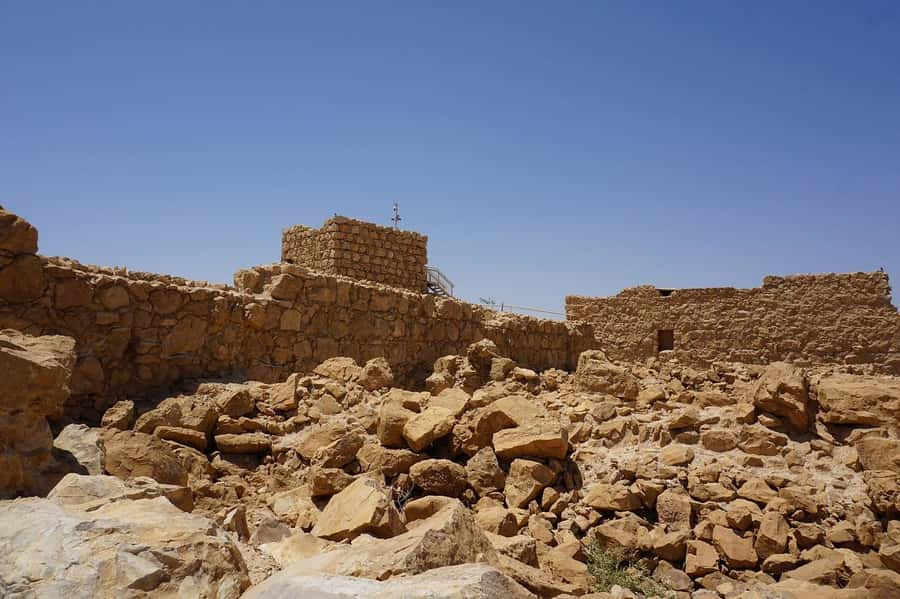
Masada is more than a dramatic viewpoint. It’s a fortress complex built on one of the cliffs in the Judean Desert, and it became a symbol of Jewish heroism. The key event is the Roman siege. After months under pressure, the defenders, often called Zealots in the story of Masada, faced exhaustion, including running out of food and water. The siege ends with defenders killed in battle or choosing suicide rather than surrendering to Rome and becoming slaves.
That theme is what makes the site stick. When your guide is on point, you stop thinking of Masada as a ruin you pass through and start thinking of it as a place designed to resist. You’ll also hear how the fortress functioned, not just what happened there.
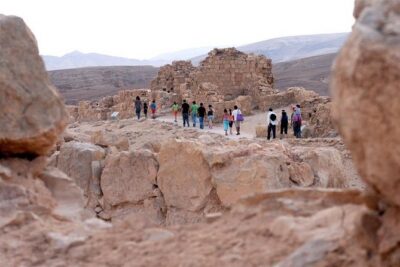
Here’s what you should focus on while you’re walking the Masada area with the guide:
- The palace and its setting, which help you picture how leadership and daily life might have looked.
- The synagogue remains, a reminder that this was not only military space.
- The armories, which explain why a siege site was built to last.
- The rainwater collection pits, one of those practical details that makes the story feel real, because it answers how they managed survival.
One extra piece to budget for: you’ll have a mandatory funicular ride tied to getting up to the fortress area. The price info you’ll see is around $22 to $24 per person, roughly 80 to 91 shekels. This cost is separate from the tour price, so factor it in early instead of being surprised at the site.
Roman siege stories told the way you’ll remember
The “value” in a guided Masada visit is not just facts. It’s pacing and emphasis. You want a guide who explains why certain details matter, like how rainwater collection connects to months of siege, or how separate buildings imply a whole community behind the defenses.
A highlight from the Russian-language experience is the storytelling. One guide, Alexandra, stood out for blending history, emotion, and a strong desire to make the visit pleasant and understandable. That kind of delivery matters because the fortress can otherwise feel like a collection of ruins. With a good guide, you’re guided through the logic of the place.
Also, you get more than Masada. The best versions of this tour use Masada as a jumping-off point to talk about Israel more broadly, so the site connects to the larger picture instead of feeling like an isolated field trip.
Dead Sea beach time: swim and mud treatments
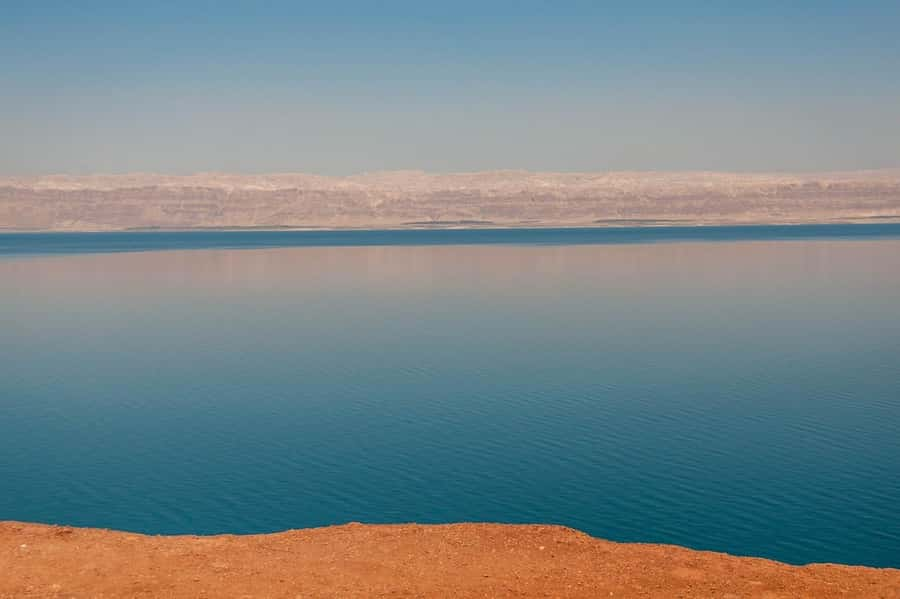
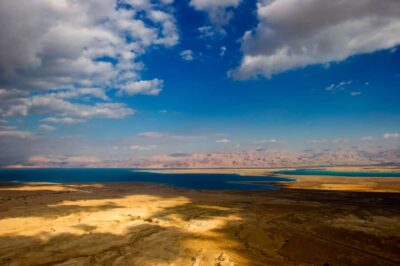
Then the day changes texture. The Dead Sea is known as the lowest place in the world, and that physical setting shapes the experience. After you’ve been looking at stone and history up on the cliff, you switch to water and mud.
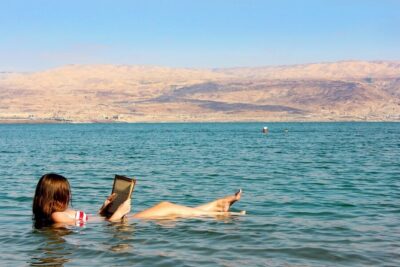
This tour includes an exclusive Dead Sea swim and mud treatments. That phrasing is important. It’s not just a photo stop. You have time to bathe at the Dead Sea beach and participate in the mud element.
A practical way to think about this portion:
- The swim part is your “feel it” moment.
- The mud treatments are your “mess it up a little, then get it over with” moment.
It’s also one of the segments people tend to remember more than the ruins, because your body participates. If you like experiences that are both scenic and physical, this is where you’ll feel satisfied.
Dead Sea cosmetics shop: why it’s there and what to do with it
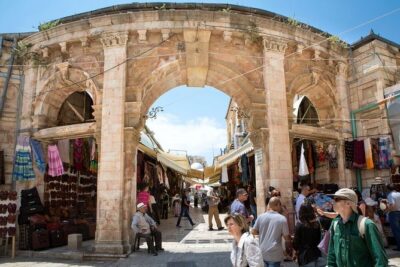
You’ll also stop to shop Dead Sea cosmetics. These shops are common in the region, and the reason they’re included on tours is simple: it’s part of the tourism economy around the Dead Sea experience.
You don’t have to treat it like a hard sell. Think of it as an optional browse during a time slot already built into the schedule. If you’re curious, use the stop to compare brands and decide if you want to bring some of the Dead Sea products home. If you’re not into shopping, keep your eyes on the time so you don’t feel dragged through it.
Price and value: what $82 buys you, and what doesn’t
At $82 per person, this tour is priced like a solid mid-tier guided day. What you get for that base price includes:
- Live tour guide in Russian
- Bus transfers
- Attendant staff services
- Masada and the Dead Sea experience segments tied to the tour program
What you do not get is where your real budget math starts. Meals are not included, unless purchased additionally. Also, the mandatory funicular ride to the Massada fortress adds a further cost of about $22 to $24, around 80 to 91 shekels.
So is it a good value? For me, it makes sense when you want two signature stops without planning transport. The guided component is key too. Masada is a site where a good explanation can turn “I saw ruins” into “I understand why this mattered.”
If you’re already good at self-guiding, the shopping stop might be less appealing. But for most people coming from Haifa or central areas and wanting a structured, Russian-led outing, the combination justifies the ticket.
Logistics that can matter: seats and safety mindset on the bus
One small but telling issue came up about the bus experience. The operator clearly states there are no assigned seats. Still, some people may leave bags or clothing in seats to block them, then argue later they reserved the places.
Here’s the deal for your sanity and for safety. If you see the rules about seating being treated casually, don’t add to the mess. Keep your own items with you. Don’t assume the seat you pick is yours forever if the bus is run as unassigned. That keeps things calmer for everyone, including drivers and guides.
This is the sort of detail that doesn’t sound important until it is. On a tight schedule, conflict eats time. So follow the simple approach: pick a seat and keep control of your belongings.
Who should book this tour, and who should skip it
This is a good fit if:
- You want a structured visit to Masada plus Dead Sea in one outing
- You prefer history explained in Russian by a live guide
- You value both the story of the siege and the bodily “experience” of the Dead Sea
It’s not a great fit if:
- You have limited mobility, since the fortress terrain and the overall structure are not recommended for that need
- You strongly prefer self-paced time, because the schedule is built around the guided stops and the required funicular ride
If you’re traveling as a couple or in a small group and want a meaningful “Israel highlights” package without renting a car, this tour style hits the sweet spot.
Should you book: my take on the decision
I’d book this if your goal is to connect two iconic experiences, Masada’s human story and the Dead Sea swim and mud treatments, with a Russian guide doing the heavy lifting on meaning.
Skip it or rethink it if mobility is an issue, or if you hate the idea of budgeting for that required funicular ride on top of the tour ticket. And if shopping stops bother you, plan your mindset: treat the cosmetics stop as optional browsing, not a mission.
If you go in expecting a guided, schedule-driven day, you’ll come away with two very different memories from one compact time window. That contrast is the point, and it works.
FAQ
How long is the tour?
The tour duration is 270 minutes.
What language is the live guide?
The live tour guide is Russian.
Is pickup included, and from where?
Yes, pickup is included. Listed stops include Sderot Haatsmaut 64, Keren HaYesod/Haim Moshe Shapira, Hagshama St 2, and Talpiot Market Haifa. The Talpiot Market Haifa departure is available only on Saturdays.
Are meals included in the price?
Meals are not included unless purchased additionally.
Do I have to pay extra for the Massada funicular?
Yes. A mandatory funicular ride to the Massada fortress is required, at about $22 to $24 per person (roughly 80 to 91 shekels).
Is the tour suitable for people with limited mobility?
No. This tour is not recommended for people with limited mobility.
The Dead Sea, compared.
 ★ 4.5From Tel Aviv: Masada & Dead Sea Full Day Tour with Pick UpFrom $1171,496 reviews
 ★ 4.5Masada and the Dead Sea Day Trip from Tel AvivFrom $1201,014 reviews
 ★ 4.0Tel Aviv: Jerusalem, Bethlehem & Dead SeaFrom $109881 reviews
 ★ 4.5From Jerusalem: Masada & Dead Sea Full Day Tour with Pick UpFrom $111815 reviews
 ★ 4.5Masada and the Dead Sea Day Trip from JerusalemFrom $111757 reviews
 ★ 4.2From Tel Aviv: Masada, Ein Gedi & Dead Sea TourFrom $99705 reviews
 ★ 4.5Jerusalem and the Dead Sea from Tel AvivFrom $133444 reviews
 ★ 4.3From Jerusalem: Masada&Dead Sea Tour INCLUDING ENTRANCE FEESFrom $111392 reviews
Lists this tour appears in