
REVIEW · THE GOLAN HEIGHTS
From Tel Aviv: Golan Heights Tour
You’ll see the Golan from both sides of history. This 10-hour Northern Israel day trip strings together archaeology in Katzrin, dramatic border views from Mount Bental, and a guided sweep through key sites tied to biblical geography and modern Israel. If you love seeing places with context, you’ll appreciate how the route connects viewpoints, ruins, and living communities instead of treating them like checkboxes.
I especially like the mix of archaeology and big-picture views. I’m also drawn to the way the English guide keeps the story moving, and names like Avishai Levi and Avi show up for a reason, since guides here tend to be energetic and clear. One consideration: the day is long, and food is not included, so you’ll want to plan for your own meal.
In This Review
- Key Highlights at a Glance
- Driving North: What This Golan Heights Tour Really Delivers
- The Armageddon Plain and Megiddo Stops: Biblical Geography Without the Guesswork
- Jordan River Crossing Area: A Strategic Starting Point
- Hamat Gader, then Up to the Shalom Observatory
- Sea of Galilee Views From Above: Pastoral and Unruly at Once
- Katzrin: Archaeology You Can Walk Through
- Golan Antiquities Museum and Gamla: A Second Temple Story With Visuals
- Mount Bental and the Syrian Fortifications: Where the View Has Meaning
- Who This Tour Suits Best (and Who Might Want Something Else)
- Price, Timing, and What Your $128 Actually Buys
- Tour Style: The Guide Makes the Difference
- What to Bring (So You Don’t Regret It)
- Should You Book This Golan Heights Tour?
- FAQ
- How long is the Golan Heights tour from Tel Aviv?
- What is included in the price?
- Is food and drink included?
- What language is the tour guide?
- Do I need modest dress for parts of the tour?
- Is hotel pickup available?
- Is the tour suitable for children and wheelchair users?
Key Highlights at a Glance
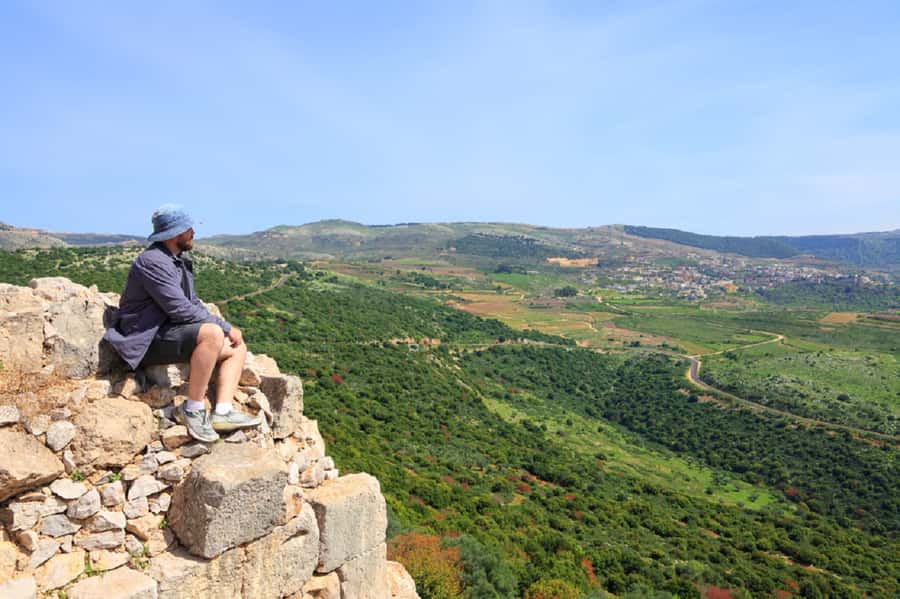
- Katzrin, the Golan’s Talmudic capital, with partially restored village remains from Mishnah and Talmud periods
- Mount Bental overlooks, including Syrian fortifications and a view down toward Kuneitra
- Sea of Galilee (Kinneret) viewpoints, including a look down on the water from above near Tiberias
- Crossing the Jordan River area, at the foot of the Golan Heights as you begin the ascent
- Golan Antiquities Museum, with findings and an audiovisual focus on Gamla
Driving North: What This Golan Heights Tour Really Delivers
A lot of Northern Israel tours try to cram in every headline site possible. This one feels more focused. You’re not just driving past. You’re getting pauses where the guide can explain why a location matters, and you can see it with your own eyes.
From Tel Aviv, you’ll ride in an air-conditioned coach with hotel pickup and drop-off, which is a big deal if you want convenience without spending time figuring out logistics. The route also makes practical sense: viewpoints first, then ruins and museum stops, so you can shift from scenery to archaeology without feeling like the day is all walking.
The price is $128 per person. For me, the value comes from what’s included: entry fees, a professional English guide, and transport all day. The only major miss is food. If you’re the type who likes to eat well between stops, factor that into the overall cost before you book.
The Armageddon Plain and Megiddo Stops: Biblical Geography Without the Guesswork
You start with a route that references the plain of Armageddon as mentioned in Revelation, then heads toward the Megiddo site of an ancient Biblical city. Even if you’re not coming for religious study, these stops are useful because they anchor the trip in the idea of ancient crossroads.
Here’s the practical value: Megiddo is a reminder that this region keeps getting re-used by history. Empires, cities, and armies have circled this area for centuries, and you’ll feel that theme again when you later see fortifications on Mount Bental.
The trade-off is time and interpretation. Biblical geography can be a little abstract if you want hard certainty about exact events. The guide’s job, and a good one, is to keep the story grounded so the scenery and the evidence make sense together.
Jordan River Crossing Area: A Strategic Starting Point
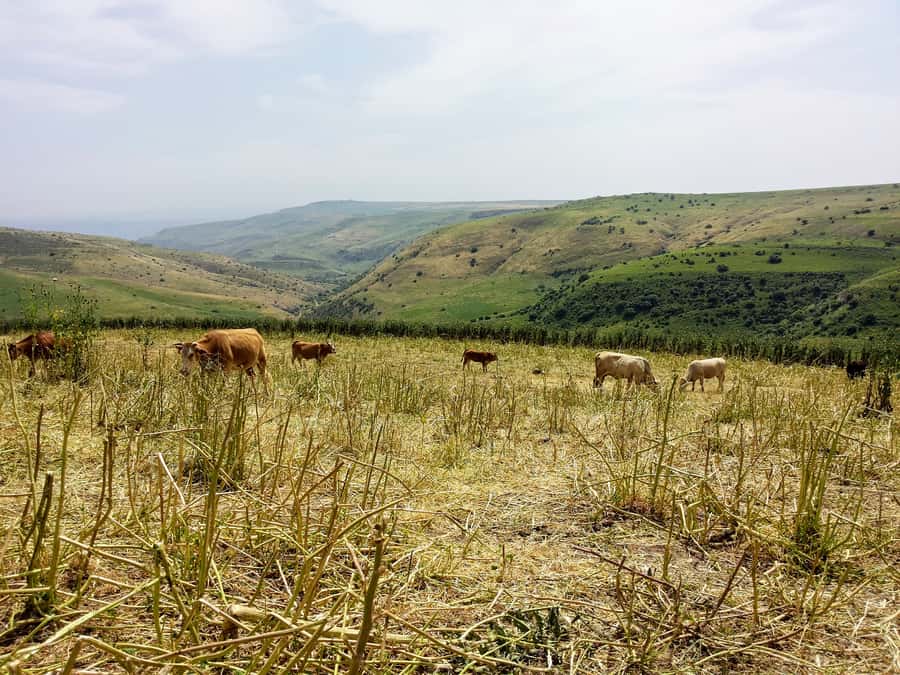
After the earlier geography references, you’ll cross the Jordan River at the foot of the Golan Heights. This moment matters because it’s not only about faith references. It’s about geography. The Jordan Valley and the Golan are like natural borders, and everything that happens later on the Heights makes more sense once you see that transition.
Then you begin climbing, and the scenery starts shifting. The Golan isn’t just a single view. It’s a whole range of vantage points, and the tour uses that. You’ll notice how quickly the environment and the sense of distance change as you move uphill.
Hamat Gader, then Up to the Shalom Observatory
One of the most cleverly placed stops is Hamat Gader. Today it’s known as a popular spa destination, and the guide connects that modern use to Roman-era history. Even if you don’t plan to soak in anything, it’s a good pause because it shows how people keep reusing the same natural resources.
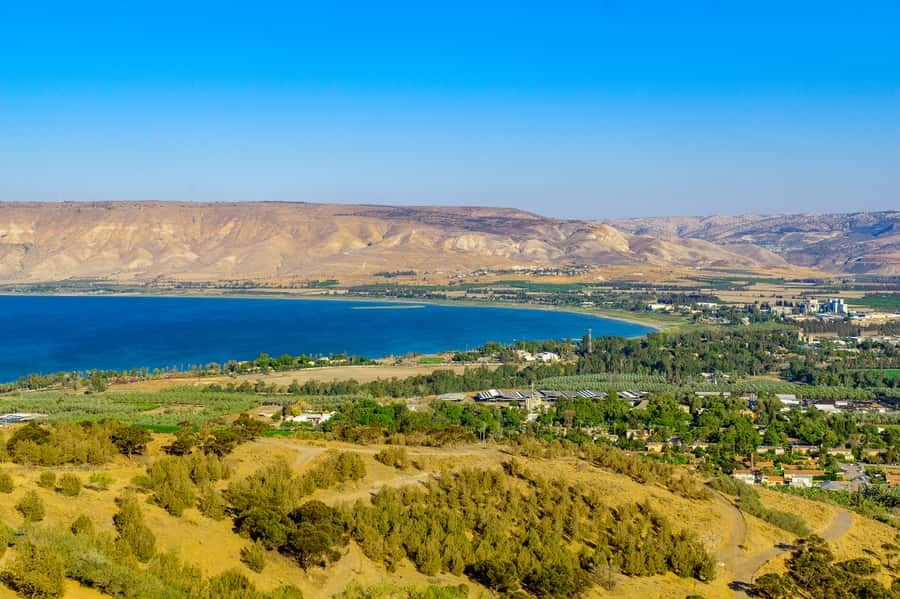
From there, you move through lush green countryside and head toward the Shalom Observatory. The key moment here is the view looking back toward the Sea of Galilee (Kinneret), with Tiberias in the distance. You also get an explanation of why the Heights are strategically important, which turns the scenery from pretty to meaningful.
What to watch for: at this kind of lookout, the air can be bright and the sun intense. Bring sunscreen and a hat, because you’ll want to stay outside and actually read the view.
Sea of Galilee Views From Above: Pastoral and Unruly at Once
The tour also includes a stop at what’s described as the southernmost point of the Sea of Galilee, plus a look down from above. The contrast here is what makes it satisfying: water in the foreground, then the Golan’s dramatic rise behind it. It’s one of those views where you can almost feel how people back in antiquity would have understood routes, travel, and access to water.
This stop works best for you if you like “see it, then learn it.” The guide can point out what you’re actually looking at, rather than making the tour feel like a lecture delivered through a bus window.
A small practical point: this part of the day is usually about standing and looking. Comfortable shoes are not optional. The ground around viewpoints can be uneven, and the day adds up fast.
Katzrin: Archaeology You Can Walk Through
Then comes Katzrin, often referred to as a capital of the Golan, with occupation dating back to the Middle Bronze Age and later periods including Romans, Mamluks, Ottomans, and even French rule. That kind of timeline can sound like word salad, but the tour makes it concrete through what you can see on the ground.
Excavations in the Katzrin area have uncovered a village from the Mishnah and Talmud periods, and parts are partially restored for visitors. You’ll see archaeological remains that include a synagogue, houses, and an oil press. That oil press detail is especially important because it connects daily life to the big themes of religion and governance. People didn’t just pray. They worked, produced goods, and survived.
You’ll also notice how the basalt rock appears in the landscape, evidence of former volcanic activity. It’s a small detail that does a lot of work, because it helps explain what the Golan looks like and why building and farming developed the way it did.
One more highlight: seeing an ancient synagogue within the day’s flow adds meaning. It’s not just a building. It’s a clue to how communities organized themselves.
Golan Antiquities Museum and Gamla: A Second Temple Story With Visuals
After Katzrin, you’ll visit the Golan Antiquities Museum. This is where the tour shifts from outdoor ruins to curated context. You’ll see findings from the region and audiovisual presentations about Gamla, plus references to the nearby excavated Second Temple era Jewish city.
Even if you only catch the main ideas, the museum helps you connect the dots. Gamla feels like the kind of place you would otherwise pass over with only a sentence or two. With the museum context, it becomes easier to understand what you’re looking at when you hear names and dates again later.
This stop is valuable for two types of visitors. If you like museums, it’s a comfortable break in the middle of a long day. If you don’t usually care about museums, the Gamla focus gives you a reason to pay attention because it ties directly into the regional story.
Mount Bental and the Syrian Fortifications: Where the View Has Meaning
The final big emotional hit comes at Mount Bental, where you’ll see what remains of Syrian fortifications, including Syrian bunkers, base areas, and trenches. The tour frames these as captured by Israelis in the Six-Day War of 1967.
This is one of those places where “what you see” and “what it means” are inseparable. You’re looking over fortifications built into the terrain, and the guide explains how the geography shapes control. Then you can look down toward the Syrian city of Kuneitra beyond the border.
Important practical tip: dress for sun and wind. Out here, conditions can feel harsher than in town. Comfortable shoes matter again if you do any short walks around viewing areas.
Who This Tour Suits Best (and Who Might Want Something Else)
I think this Golan Heights tour is a strong fit if you want a single day that hits multiple interests: archaeology, viewpoints, and a guided storyline that ties biblical geography to modern Israel. It’s also great for first-time visitors because it packs a lot of Northern Israel into a manageable time window, without you doing route planning.
It might be less ideal if you:
- hate long coach days and prefer slower pacing with more downtime
- want food included
- need wheelchair access, since the tour is not suitable for wheelchair users
- are traveling with young kids, because it’s not suitable for children under 4
Price, Timing, and What Your $128 Actually Buys
At $128 per person for a 10-hour day, you’re paying for convenience and structure. You get entry fees, a professional English guide, air-conditioned coach transport, and hotel pickup and drop-off. That combination matters because Northern Israel is not a “grab a ride and wing it” region if you want to see archaeology, museums, and viewpoints efficiently.
The missing piece is food and drink. Since meals are not included, your total spend will depend on what you choose for lunch. If you’re budget-minded, plan to bring a snack and water, then buy a meal during a stop if there’s time.
Also note the tour operates with a minimum of 3 participants. That usually means you’re more likely to get a real group day rather than a last-minute solo scramble.
Tour Style: The Guide Makes the Difference
One thing that comes through strongly is how much the guide shapes the day. In particular, guides such as Avishai Levi and drivers like Avi are highlighted for being passionate, informative, and genuinely helpful. That kind of personality matters in a tour like this because the best parts depend on explanation, not just the view.
A good guide also manages pace. You’ll move between viewpoints, then ruins, then museum time, then fortifications. The goal is to keep you from feeling rushed at the places you actually care about.
If you’re picky about having clarity, this is the kind of tour where a strong guide can turn your photos into memories with context.
What to Bring (So You Don’t Regret It)
This tour spends time outdoors at viewpoints and around archaeological areas. Pack like you’re going for comfort, not just photos.
Bring:
- Comfortable shoes
- Sun hat
- Sunscreen
Also, modest dress is required for holy places. If you’re unsure what that means for you day-of, plan something easy: light layers and clothing that covers appropriately.
Should You Book This Golan Heights Tour?
I’d book it if you want a well-structured Northern Israel day that balances big views with hands-on archaeology. You’ll come away with a clearer sense of how the Golan connects to biblical geography, ancient settlement patterns, and modern strategic realities. Katzrin plus the Golan Antiquities Museum plus Mount Bental is a rare mix in a single trip.
I’d hesitate if you’re not into museum time or if you hate planning around meals. The lack of food included is the one clear snag, and the day is full enough that you’ll feel it if you don’t prepare.
If this sounds like your kind of day, you’re likely to enjoy it. Just come ready for sun, stairs, and a guide who makes the places make sense.
FAQ
How long is the Golan Heights tour from Tel Aviv?
The tour lasts 10 hours.
What is included in the price?
The tour includes entry fees, a professional guide, air-conditioned coach transport, and hotel pickup and drop-off.
Is food and drink included?
No. Food and drink are not included.
What language is the tour guide?
The tour is conducted in English.
Do I need modest dress for parts of the tour?
Yes. Modest dress is required for the holy places.
Is hotel pickup available?
Yes, pickup is included from your hotel. If you’re staying somewhere like an Airbnb, the operator will provide the closest pickup point details.
Is the tour suitable for children and wheelchair users?
It is not suitable for children under 4 years old and it is not suitable for wheelchair users.
The Golan Heights, compared.
 ★ 4.5Golan Heights Day Trip from Tel AvivFrom $12865 reviews
 ★ 4.5Golan Heights Day Trip from JerusalemFrom $13820 reviews
 ★ 4.52-Day Northern Israel Tour from Jerusalem: Golan Heights, Nazareth and the Sea of GalileeFrom $3609 reviews
 ★ 5.0GoKEDEM Golan Heights ATV Action & Wine-Tasting Tour From Tel AvivFrom $5398 reviews
 ★ 4.3From Jerusalem: Day Trip to Golan Heights and Mount BentalFrom $1387 reviews
 ★ 4.52-Day Northern Israel Tour from Tel Aviv: Golan Heights, Nazareth and the Sea of GalileeFrom $3606 reviews
 ★ 5.0The Golan heightsFrom $1,6004 reviews
 ★ 5.0Tel Dan and Baniyas National Parks Private TourFrom $1,2993 reviews
Lists this tour appears in