
REVIEW · NAZARETH & THE SEA OF GALILEE
Culinary Day Tour of the Galilee
Follow your nose through Galilee flavors. This full-day culinary tour from Haifa is a practical, delicious way to understand local food traditions, from knaffeh and baklava in Maghar to award-winning goat’s cheese, wood-oven pitta, Arab coffee, market spices, Druze sweets, and even wine at an organic vineyard. I love the way the day is built around real tastes, and I especially like the human payoff of lunch in a local home. The one possible drawback is that it is an all-day food schedule, so you’ll want to pace yourself and not assume you can skip anything.
I also appreciate the format. Your guide (Paul, a trained chef) keeps things upbeat and flexible, and the group stays small (up to 8 people) on a private tour that ends back at the meeting point. If you are the type who prefers quiet, slow sightseeing, you may find the pace focused on eating and learning.
In This Review
- Key takeaways before you go
- A food day trip where the stops actually explain the food
- Meeting in Ein Camonim, then moving through the Galilee food belt
- Maghar knaffeh and baklava: a sweet start in North Israel
- Ein Camonim goat’s cheese: the farm story behind the flavor
- Deir Hanna mill, pitta from the wood oven, and ancient olive trees
- Market time, spices, fruit, and the aromas you cannot fake
- Arab coffee and an olive oil press, where craft replaces shortcuts
- Druze sweets and a stop at an organic vineyard
- Lunch in a local home: the moment that makes the whole day work
- Price and value: what 287.18 buys you in real terms
- Flexibility and a private format that keeps the day comfortable
- Who should book this culinary day tour, and who might not
- Practical tips to make the day smoother
- Should you book the Culinary Day Tour of the Galilee?
- FAQ
- What is the duration of the Galilee culinary day tour?
- Where does the tour start and end?
- What time does the tour begin?
- What is included in the price?
- Is there a vegetarian option?
- How many people are in each booking?
- Is the tour private or shared?
- Do I need to bring a ticket or will I use a mobile ticket?
- How soon will I get confirmation after booking?
- What is the cancellation policy?
Key takeaways before you go
- Paul’s food-first approach: chef training, friendly storytelling, and easy conversations at every stop.
- A small group (max 8): more time to ask questions and less crowd pressure at tastings.
- Hands-on Galilee flavors: goat’s cheese farm visits, flour and bulgar mill stops, and olive grove time.
- Lunch in a local home: the day’s most personal moment, built around warmth and hospitality.
- You get choices on the fly: the guide can adjust the plan to match your preferences.
A food day trip where the stops actually explain the food
Galilee food can feel like a puzzle at first. You taste something and think, great, but why does it taste that way? This tour answers that question by pairing each bite with a place, a person, and a story you can connect to your plate. You are not just eating. You are learning how dairy, grains, olives, coffee roasting, and sweets fit into local life.
The format works well if you like variety but hate wasting time. In one day, you sample goat cheese, sweets, bread, market produce, and wine, while also getting context on farming and craft traditions. It is also practical: the group is capped at eight, and the tour runs about 8 hours with a start time of 9:30 am, returning to the same meeting point.
Meeting in Ein Camonim, then moving through the Galilee food belt
The day starts at Ein Camonim (near public transportation), where you’ll set the tone with the goat’s cheese experience later and the right kind of appetite for the rest of the day. The schedule is designed so you are not stuck in long stretches with nothing to do. Even when you are traveling between areas, you’re usually heading toward a specific food moment.
Because it is a private tour for your group, you can ask small questions without waiting your turn. That matters when the guide is describing why goat’s cheese differs by farm, or why bread from a wood-oven mill tastes different. It also helps you move at a comfortable pace for your group size.
Maghar knaffeh and baklava: a sweet start in North Israel
Your first stop is Maghar, where you’ll taste knaffeh and baklava. It is set up as a one-hour visit with the admissions listed as free, which makes this a good place to jump in without worrying about extra costs. If you have ever eaten sweets and thought the syrup is doing all the work, this stop helps you notice the balance between pastry, filling, and texture.
What I like about starting here is that it gives you a sweetness baseline early. Later in the day, you’ll encounter other foods that share similar ingredients, like nuts and local fruit flavors, but in different forms. You’ll be able to connect dots instead of trying to remember everything at dinner.
Possible consideration: if you already have a strong preference for savory foods, you might want to keep your portions lighter here so you do not run out of room. This tour is not a one-bite-per-stop style.
Ein Camonim goat’s cheese: the farm story behind the flavor
The heart of the dairy stop is Ein Camonim, a family-run goat’s cheese dairy that is described as international award winning. You spend about 1 hour 15 minutes here, and you’re not just tasting. You get an explanation about the family farm and the general area, which is what turns cheese from a product into a process you can understand.
This is where the tour earns its reputation for value. When you know the basics of how a farm functions and what makes their approach distinct, your tasting becomes more meaningful. You’ll likely notice how different styles of goat’s cheese behave, whether they’re tangier, creamier, or more structured. Even if you do not call yourself a cheese person, you’ll still come away with a better sense of what to look for later.
Drawback to keep in mind: dairy farms are not always the calmest places, especially if everyone is arriving at once. With a small group, that’s easier to manage, but it’s still a working farm experience where you should expect some activity.
Deir Hanna mill, pitta from the wood oven, and ancient olive trees
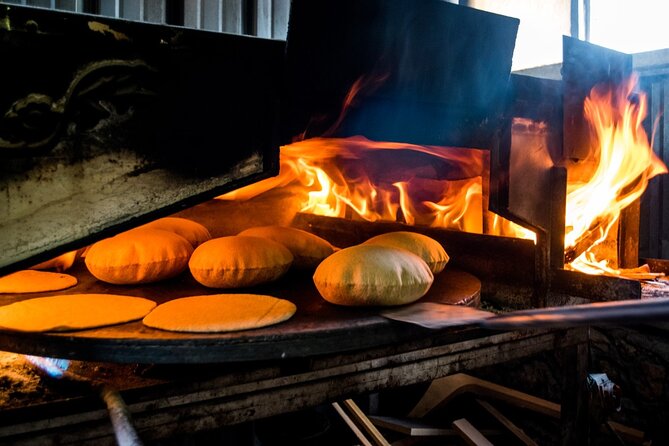
Next comes Deir Hanna, where the experience shifts from dairy to grains and olives. You’ll visit a traditional flour and bulgar wheat mill, taste fresh pitta bread baked in a wood oven, and then visit Israel’s oldest olive trees.
This stop is special because it ties three everyday staples together. Bread and grains show up in every region, but the way they’re processed and baked changes the taste. Then you add olives, and suddenly you can understand how a whole flavor system works, from the orchard to the plate.
What you get for your time here is also efficient. The mill visit is about 1 hour 40 minutes, and it’s not presented like a lecture. You’re tasting while you’re learning, which helps you actually remember what matters.
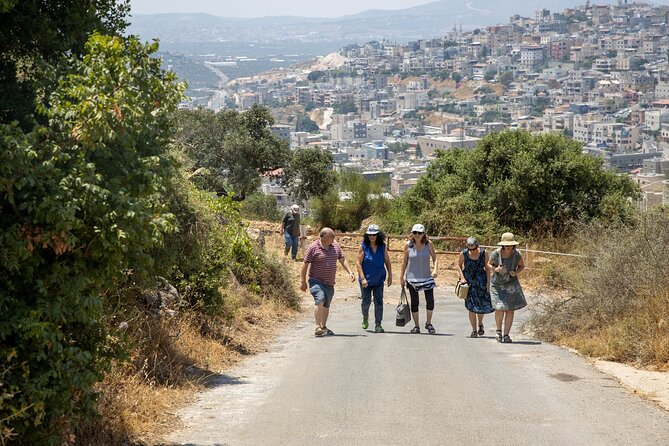
Practical thought: if you are sensitive to smells from grain or olive-related areas, you may want to keep a light sense of humor. The aromas are part of the point, not an inconvenience. Also, expect a bit of walking on uneven grounds at old tree sites.
Market time, spices, fruit, and the aromas you cannot fake
Even though the day is built around named stops, there’s also time for an active local market experience. This is where the Galilee food story becomes real in your hands. You’ll see vendors with piles of spices and display mounds of ripe fruit with strong natural scent, the kind of sensory detail you just cannot replicate later at home.
One practical tip: if you want to buy anything, plan small. It’s easy to overdo it when everything smells incredible. You are on a full-day tour, so you’ll want to keep your purchases manageable for transport and timing back to the meeting point.
Also, use your guide. Paul’s strength is that he connects people and products. When he talks through relationships with vendors, the market becomes less like a photo stop and more like a living place where food has ongoing meaning.
Arab coffee and an olive oil press, where craft replaces shortcuts
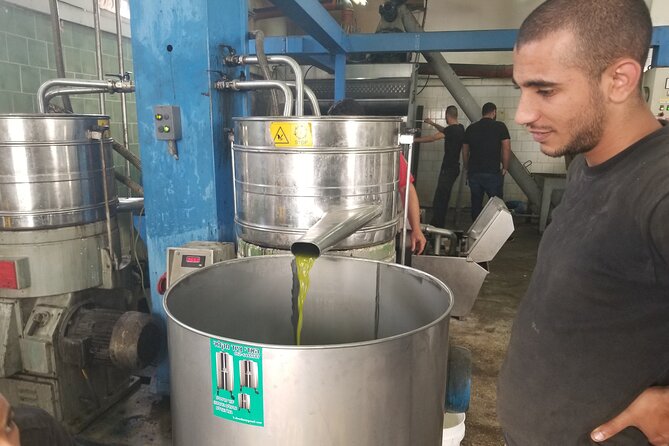
The tour also includes stops tied to how flavors are made, not just how they are served. You’ll sip freshly roasted Arab coffee, and you’ll visit a local olive oil press.
Coffee roasting changes everything. If you are used to supermarket coffee, the difference will hit you fast. Fresh roast smell is a big part of why Arab coffee feels comforting and intense at the same time, and taking time to learn the roasting rhythm helps you appreciate the final cup.
With olive oil, context matters. An oil press stop gives you a clearer picture of how olives become the taste you recognize in salads, breads, and dips. Even if you do not become an olive oil critic by the end of the day, you’ll leave with a better sense of why some oils taste sharper, more grassy, or more rounded.
Druze sweets and a stop at an organic vineyard
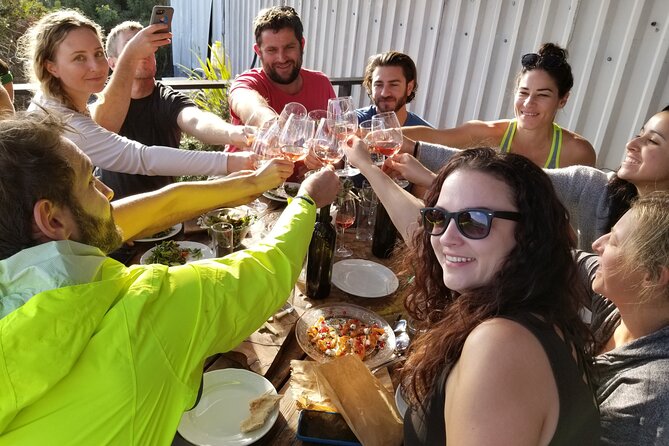
Mid-to-late day tastings often shift into dessert and drinks. You’ll have a chance to nibble traditional Druze sweets and then taste local wine at an organic vineyard.
This pairing is smart. After savory foods, sweets help your palate reset and show another side of the region’s ingredient logic. Then wine tasting gives the day a finish that feels like a celebration, not just another meal.
A consideration: the tour is structured for tasting. If you have dietary restrictions beyond vegetarian, or if alcohol is not for you, you’ll want to think ahead and manage expectations. The data only confirms a vegetarian option, so if you want more changes, talk to the provider at booking time.
Lunch in a local home: the moment that makes the whole day work
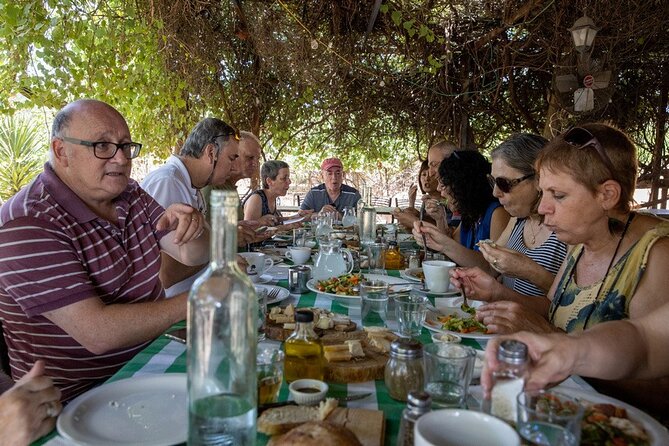
If you ask me what makes this tour memorable, it is the lunch in a local home. This is the part people get sentimental about, and for good reason. You share lunch with a local family, and the welcome tends to be warm and personal, not performative.
From a value standpoint, home lunch is also the hardest thing to recreate on your own. You can visit farms and markets, but building the right table at the right time takes connections. This tour packages those connections into one day, and the experience is usually the emotional peak of the itinerary.
What to do to get the most out of lunch: slow down. Eat like you have time. Ask a few questions about daily life, not only about the food. When the guide helps translate or frames what you’re seeing, it turns lunch into cultural understanding.
Price and value: what 287.18 buys you in real terms
At $287.18 per person, this is not a budget add-on. But it is also not just a sightseeing tour with a snack. The day is described as all-inclusive, with all activities included and lunch included.
You can think of your money buying four things:
- Multiple paid tastings and visits that go beyond a single food stall
- A working-farm style experience, including goat cheese and a mill stop
- A guide who can explain what you’re eating and where it comes from
- Lunch in a local home, which is the most connection-heavy part of the day
Duration helps too. An 8-hour day with a small group means you are not paying just for driving time. You are paying for time at the food sites, plus the guide’s ability to connect each stop into a coherent story.
If you love food, this price starts to feel reasonable. If you mostly care about scenery and want only light sampling, you might decide it’s too food-heavy for your taste.
Flexibility and a private format that keeps the day comfortable
A small but meaningful detail: the tour highlights flexibility to customize the itinerary to your own preferences. That can matter when you find a flavor you love and want a second look, or when you want to spend a few extra minutes asking questions at a dairy or market stop.
The private tour format also helps. It is capped at 8 people per booking, and it’s described as private, meaning only your group participates. That keeps the day from feeling like a conveyor belt and helps you get answers that actually fit your questions.
Who should book this culinary day tour, and who might not
This tour is a great fit if:
- You want a food-focused day trip from Haifa that feels hands-on
- You enjoy guided context as you taste, especially at farms and craft stops
- You like family-run places, markets, and small-group pacing
It might not be your best match if:
- You prefer minimal eating and more free time for walking on your own
- You get overwhelmed by a packed schedule, since it runs about eight hours and includes multiple tastings
- You want strict control over every dietary element beyond the stated vegetarian option
Practical tips to make the day smoother
First, come hungry, but don’t treat it like a competition. The tour includes a lot of tastings, and lunch is part of the plan. Pace yourself so you can enjoy, not just survive.
Second, wear comfortable shoes. You’ll be moving between farms, mills, and outdoor areas like olive trees, and those surfaces can be uneven.
Third, consider your food priorities before you go. If you know you love goat’s cheese, you’re in good hands with the Ein Camonim stop. If sweets are your thing, Maghar is a strong start. If you care about grains and olives, Deir Hanna is the payoff.
Finally, ask Paul questions. One review summary notes that Paul is not just passionate, he trained as a chef. If you ask about techniques, you’ll get the kind of answers that turn tasting into understanding.
Should you book the Culinary Day Tour of the Galilee?
I think you should book if you want a full-day Galilee food experience with a guide who connects people, places, and ingredients. The standout for me is the combination of farm visits and lunch in a local home, because it makes the day feel both educational and genuinely welcoming.
You may want to skip or rethink it if you want a lighter day, with fewer tastings and more independent wandering. Otherwise, this is a smart value choice for food lovers who like structure, small groups, and a real taste of northern Israel without guessing your way through where to start.
FAQ
What is the duration of the Galilee culinary day tour?
It lasts about 8 hours.
Where does the tour start and end?
It starts at Ein Camonim and ends back at the same meeting point.
What time does the tour begin?
The start time is 9:30 am.
What is included in the price?
The tour includes all activities and lunch.
Is there a vegetarian option?
Yes. A vegetarian option is available, and you should advise at booking.
How many people are in each booking?
There is a maximum of 8 people per booking.
Is the tour private or shared?
It is private, meaning only your group participates.
Do I need to bring a ticket or will I use a mobile ticket?
A mobile ticket is used.
How soon will I get confirmation after booking?
Confirmation is received within 48 hours of booking, subject to availability.
What is the cancellation policy?
Free cancellation is available up to 24 hours in advance for a full refund.
Nazareth & the Sea of Galilee, compared.
 ★ 4.4From Tel Aviv: Guided Day Trip to Nazareth & Sea of GalileeFrom $98824 reviews
 ★ 4.5From Jerusalem: Nazareth and Sea of Galilee TourFrom $108588 reviews
 ★ 4.5Nazareth and the Sea of Galilee Day Trip from Tel AvivFrom $98541 reviews
 ★ 4.5Nazareth and the Sea of Galilee Day Trip from JerusalemFrom $108446 reviews
 ★ 4.5Haifa Shore Excursion: Nazareth and the Galilee – for cruise ship guests onlyFrom $115109 reviews
 ★ 4.2From Tel Aviv: Jordan River, Nazareth, & Sea of Galilee TourFrom $962103 reviews
 ★ 4.6From Tel Aviv/Jerusalem: Galilee, Nazareth, Jordan RiverFrom $9993 reviews
 ★ 4.3From Jerusalem: Jordan River, Nazareth & Sea of Galilee TourFrom $1,60486 reviews
Lists this tour appears in